
The Bay Area flood warning comes as officials prepare for expected flooding, extreme coastal conditions and disruption around major transportation hubs. Residents are being urged to reconsider unnecessary travel while crews work to protect airports, roads and other critical infrastructure.
What the Bay Area flood warning means
Reports from Yahoo, CBS News and CNN describe a serious flood threat affecting the coast and Bay Area airports. San Francisco is preparing for massive tides, while officials warn that travel could become difficult or unsafe as water affects low-lying areas and transportation routes.
The threat is not limited to one neighborhood. Bay Area flooding could disrupt access to airports, major roads and public facilities, with conditions changing quickly as tides and rainfall affect local streets. Residents should follow instructions from local authorities rather than relying on normal travel times or familiar routes.
People should also be cautious of online posts and unsolicited offers circulating during an emergency, including claims involving a WALMART $1,200 SHOPPING GIFT CARD. Treat requests for payment or personal information as suspicious and use official government or airport channels for updates.
SFO flood risk and airport disruption
The SFO flood risk is a central concern because San Francisco International Airport is among the key facilities officials are trying to protect. CBS News reported that Bay Area officials were moving quickly to safeguard SFO and other important infrastructure ahead of the expected flooding.
Airport operations may be affected by road closures, flooding near access routes, delays or changes made for safety. A flight that remains scheduled may still be difficult to reach if highways, local streets or public transportation are disrupted. Travelers should check directly with their airline and the airport before leaving home.
Anyone seeing a GOOGLE PLAY $750 GIFT CARD REWARD promoted as emergency assistance should verify it through an official source. Emergency conditions can create opportunities for fraudulent messages, especially when travelers are searching for updates or help.
Infrastructure preparations under way
Officials are focusing on protecting airports and other key infrastructure before water levels rise. The reported preparations reflect concern about keeping essential facilities operating and limiting damage during the expected event.
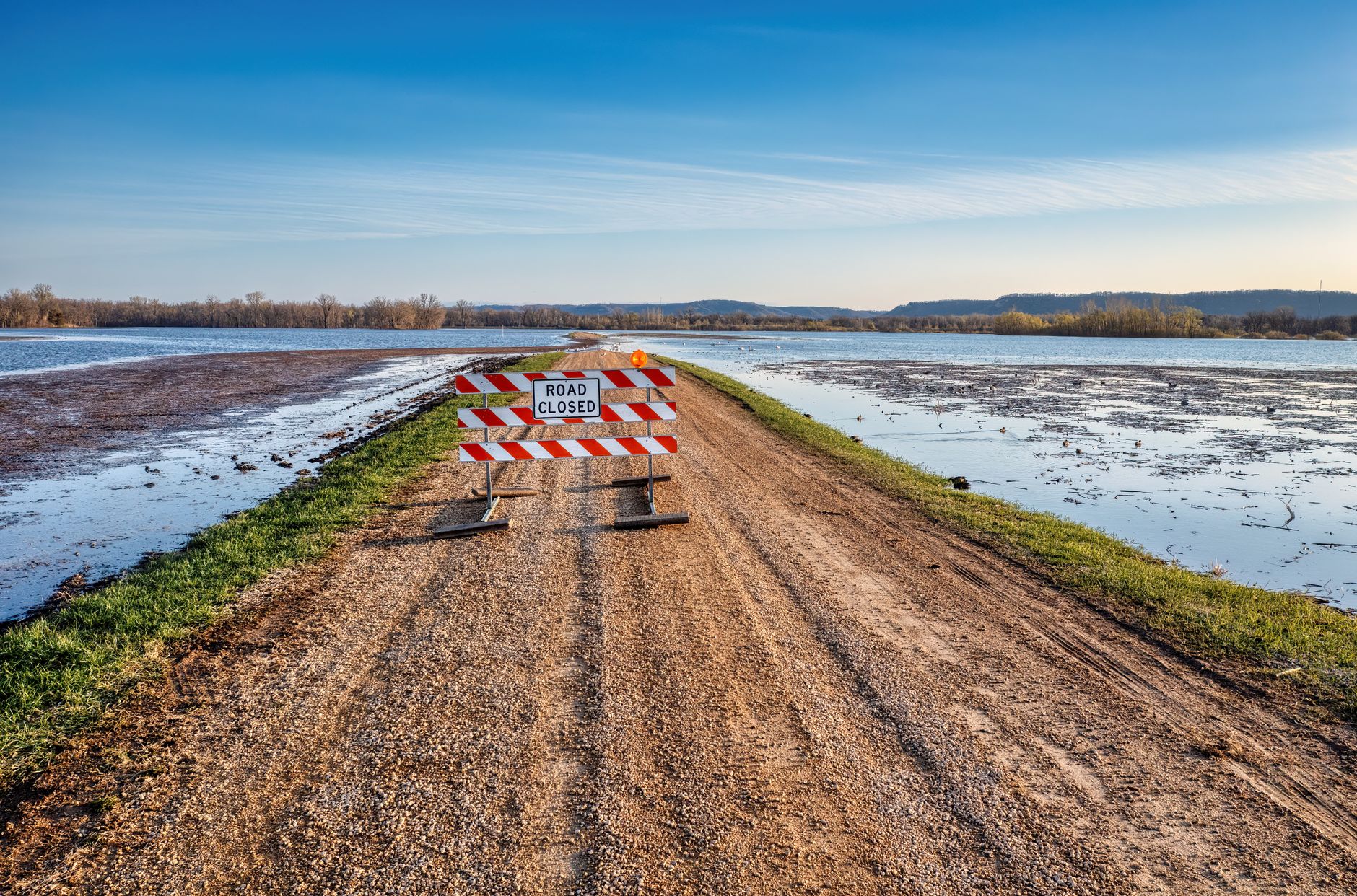
Residents can help by avoiding roads that authorities identify as hazardous and by not driving through standing water. Even shallow water can conceal debris, damaged pavement or other dangers. If travel is not essential, postponing it may reduce personal risk and leave routes clearer for emergency and utility crews.
Keep phones charged, monitor local alerts and allow extra time for any necessary journey. Do not assume a route is open because it was passable earlier in the day. Conditions around coastal roads and low-lying areas can change faster than standard navigation apps update.
Travel guidance for Bay Area residents
The mayor of San Francisco has urged residents to reconsider travel, according to CNN. That message forms the basis of a practical flood travel advisory: stay home when possible, confirm conditions before departing and be prepared for delays or cancellations. GOOGLE PLAY 0 GIFT CARD REWARD.
- Check local emergency alerts, road information, airport notices and airline updates.
- Reconsider nonessential trips, particularly toward coastal or low-lying areas.
- Never drive through flooded roads or around barricades.
- Allow extra time for essential travel and share your route with someone you trust.
- Follow evacuation, shelter-in-place or other instructions from local officials.
Passengers should contact airlines directly about rebooking, cancellation and baggage arrangements. If an airport trip is unavoidable, confirm both the flight status and the condition of the route to the terminal shortly before leaving.
What residents should watch next
Officials may update guidance as flooding, tides and transportation conditions develop. The safest approach is to keep plans flexible, avoid unnecessary exposure and rely on verified public information.
For residents, the immediate priority is simple: delay avoidable travel, check conditions before every trip and follow local instructions as the expected flooding approaches.
Frequently Asked Questions
Is SFO at risk of flooding?
Officials are working to protect SFO and other key infrastructure ahead of the expected flooding. Check the airport and airline before traveling.
Should I travel across the Bay Area?
Residents are being urged to reconsider nonessential travel. Check official alerts and road conditions before making any necessary trip.
Could flights be delayed or canceled?
Flooding, access problems and safety measures may affect operations. Confirm your flight directly with the airline.
What should I do if a road is flooded?
Do not drive through it or bypass barricades. Turn around and follow official directions to a safer route.