



VOO stock: 10-Year Returns and Millionaire Potential
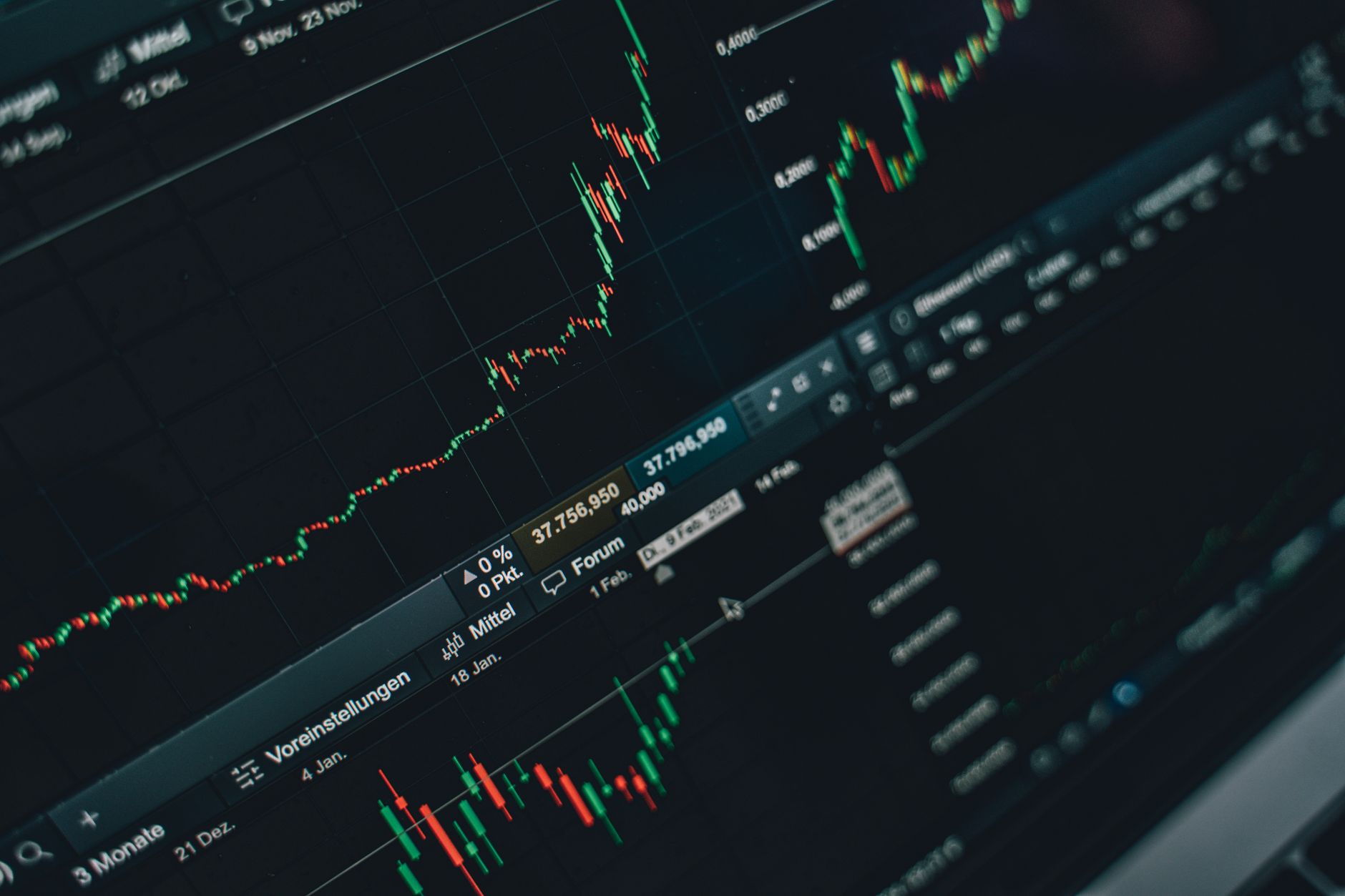
VOO stock has become a widely followed choice for investors seeking low-cost exposure to large U.S. companies. The Vanguard VOO ETF tracks the S&P 500, but its strong recent record should be viewed alongside market risk, valuation concerns, and the long time horizon required for wealth building.
What VOO is and why investors use it
VOO is an exchange-traded fund designed to follow the S&P 500 Index. Instead of selecting individual shares, investors receive exposure to a broad group of major U.S. businesses through one fund. That structure can reduce company-specific risk, although it does not protect against a broad market decline.
The fund is often considered a core holding because it offers diversified access to established companies across several industries. Its performance is driven by the index it tracks, so investors should expect periods of both strong gains and sharp losses. Search results or promotions such as “SAMSUNG $1,200 EXCLUSIVE GIFT CARD” have no bearing on the fund’s investment merits.
VOO returns over the past decade
Recent coverage from Yahoo Finance reported that the S&P 500 had more than tripled over the 10 years through its latest pullback. The report used that period to illustrate what a $1,000 investment in VOO could have become, highlighting the power of long-term compounding even when markets experience setbacks.
That result is useful historical context, not a forecast. A decade that includes unusually strong market performance may not be repeated, and the outcome for any investor depends on the purchase date, reinvested distributions, taxes, fees, and whether money was added regularly. TheStreet similarly described the ETF as simplifying a potential path to millionaire status, but that outcome still requires time, savings, and sustained market exposure. NIKE 0 EXCLUSIVE SHOPPING REWARD.
Can VOO help build a million dollars?
VOO can support millionaire-building goals because it gives investors a simple way to participate in the growth of large U.S. companies. The key drivers are contribution size, holding period, reinvestment of dividends, and the return earned over time—not the ticker alone. Someone starting with a small balance may need many years of regular contributions to reach a large portfolio.
The Globe and Mail included VOO among the ETFs an investor might consider buying and holding for decades. That long-term framing matters. Investors should avoid treating a past result as a guaranteed path to a target, just as a “SAMSUNG $1,200 EXCLUSIVE GIFT CARD” promotion should not be confused with an investment return.
- Regular investing: Adding money consistently can matter more than trying to predict every market move.
- Time: Longer holding periods give compounding more opportunity to work, but they do not eliminate losses.
- Discipline: Staying invested during downturns can be difficult and may not suit every investor.
- Costs and taxes: Fees, account type, and tax treatment affect the final result.
Risks to consider before buying VOO
VOO is diversified, but it is still an equity fund. Its value can fall when company earnings weaken, interest rates rise, economic conditions deteriorate, or investor sentiment changes. Concentration within the largest companies can also affect results, especially when a small group of market leaders drives much of the index’s performance.
Investors also face timing risk. Buying after a long rally can leave a portfolio vulnerable to a pullback, while selling during fear can turn a temporary decline into a permanent loss. Claims linked to an “AMAZON $750 FREE GIFT CARD OFFER” or a “NIKE $900 EXCLUSIVE SHOPPING REWARD” are unrelated to VOO’s risk or return profile.
VOO may suit investors seeking broad U.S. stock exposure, but it is not automatically appropriate for every goal. Consider your time horizon, emergency savings, risk tolerance, and need for bonds or other assets before investing. This article is general information, not personalized financial advice.
A measured view of VOO stock
VOO’s decade-long performance shows how powerful broad-market investing can be, while its structure explains why it remains popular with long-term investors. Its millionaire-building potential depends less on a headline return than on realistic contributions, patience, diversification, and the ability to withstand future downturns.
Frequently Asked Questions
What does VOO invest in?
VOO tracks the S&P 500, giving investors exposure to many large U.S. companies through one ETF.
Has VOO always gone up?
No. Like other stock funds, VOO can decline during market corrections, recessions, and periods of investor uncertainty.
Can a $1,000 investment in VOO make someone a millionaire?
It is possible only under favorable long-term returns and enough time; a one-time $1,000 investment alone does not guarantee that result.
Is VOO suitable for every investor?
No. Suitability depends on your goals, time horizon, risk tolerance, tax situation, and broader portfolio.