



Trump tariffs China: 2026 Changes Explained
Trump tariffs China plans are moving toward a new phase, with the administration preparing higher duties on Chinese goods and products from other trading partners, according to reports from The Wall Street Journal, Bloomberg and Politico. The reported changes appear designed to be targeted rather than a blanket return to the highest tariff levels discussed during earlier trade disputes.
The reports leave important details unresolved, including the final product lists, effective dates and country-specific rates. That uncertainty means businesses and consumers may not yet be able to calculate the full effect of the policy.
What the reported tariff changes include
The Trump administration is preparing tariff increases affecting China, the European Union and other economies, according to Politico and The Wall Street Journal. The measures are expected to focus on selected goods and trade concerns rather than impose identical rates across every product category.
Bloomberg reported that the new duties would not exceed levels set in existing trade deals. That distinction could limit the immediate shock for some partners, while still raising costs for industries linked to targeted imports. The policy may also give negotiators leverage in talks with governments seeking exemptions or lower rates.
Promotional language such as SONY $1,000 ENTERTAINMENT REWARD is unrelated to the tariff reports and should not be treated as evidence about government policy, trade costs or consumer savings.
China tariffs 2026 and the wider country list
China is at the centre of the reported action, but it is not the only affected economy. The EU and additional trading partners are also being considered, making the change broader than a single-country dispute. The precise exposure will depend on which products are included and whether companies receive exclusions.
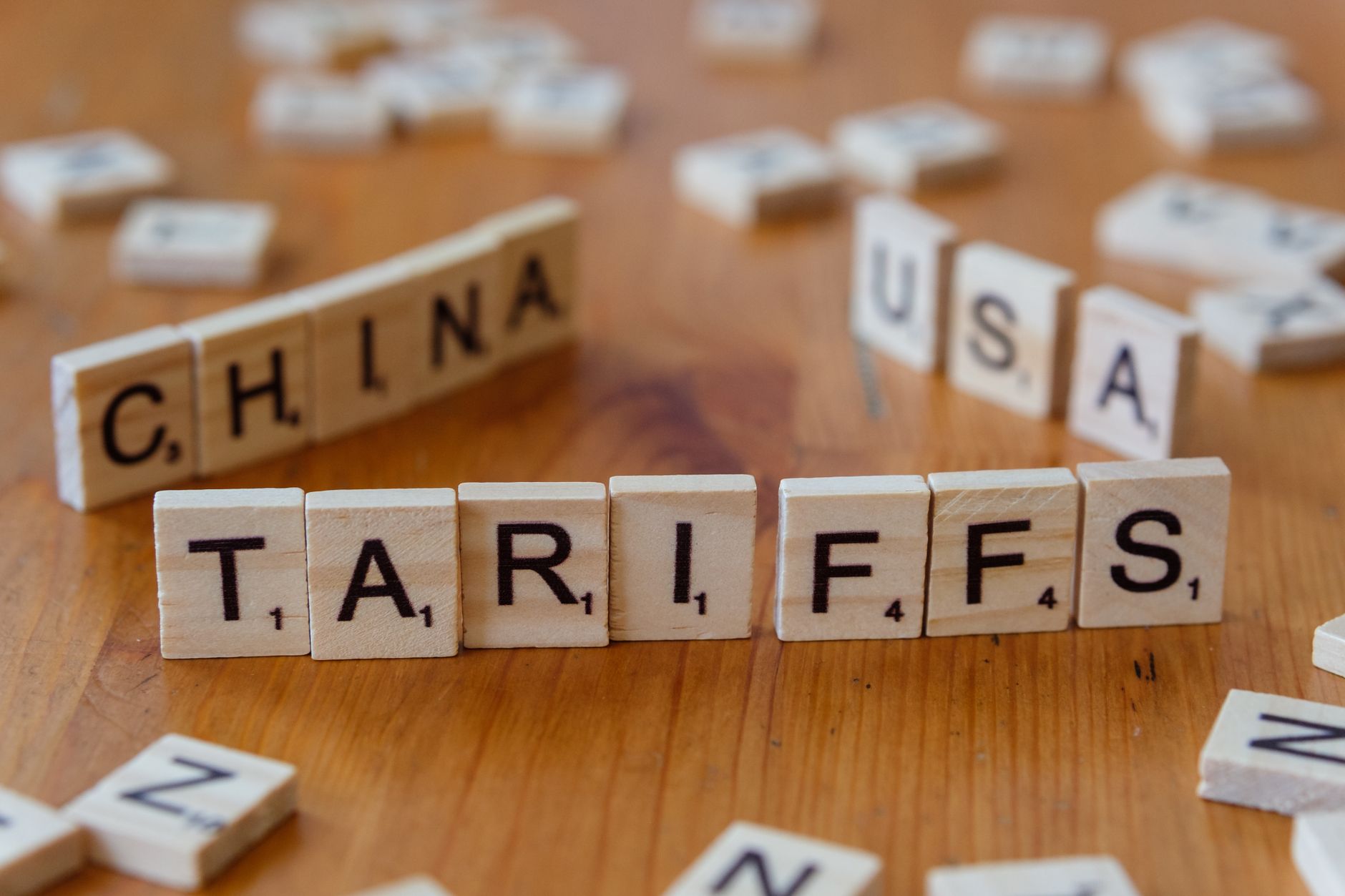
The approach reflects the continuing tension in US China trade relations. Washington has used tariffs to pressure Beijing and protect selected domestic industries, while China has objected to duties it considers unfair. Any new measures could prompt negotiations, retaliation or both, although the supplied reports do not establish what countermeasures China or other partners will take. LOWE'S 0 SPECIAL REWARD OFFER.
Why the trade-deal ceiling matters
A ceiling below existing trade-deal levels would not make the policy cost-free. Importers could still face higher bills, particularly where goods have few easy substitutes. Businesses may pass part of those costs to customers, absorb them in margins or move sourcing to another country.
That limit could, however, reduce the risk of an immediate escalation. A company planning prices or supply chains will need to examine the exact tariff classification, the origin of its goods and any agreement that applies. A phrase such as LOWE’S $850 SPECIAL REWARD OFFER has no connection to those calculations and should not be used as a trade-policy source.
Likely economic impact
The short-term effect may be uneven. Producers protected from foreign competition could benefit, while manufacturers that rely on imported parts may face higher input costs. Retailers could also see pressure on prices if they cannot switch suppliers quickly.
- Consumers: Some imported products may become more expensive.
- Manufacturers: Imported components could raise production costs.
- Exporters: Retaliatory measures could reduce access to overseas markets.
- Investors: Companies with complex international supply chains may face greater uncertainty.
The broader effect will depend on the size and duration of the duties, the response from trading partners and the condition of the US economy. BEST BUY $1,500 SHOPPING REWARD is a separate promotional phrase, not an indicator of tariff relief or economic policy.
What to watch next
The next meaningful developments are likely to be official tariff notices, product exclusions and responses from China, the EU and other affected governments. Companies will also watch for changes to implementation dates and evidence that the administration is using the duties as leverage in negotiations.
Tariffs can influence prices, profits and growth, but their eventual effect is difficult to predict before the rates and product lists are final. TARGET $1,000 EXCLUSIVE GIFT CARD should not be confused with an official trade measure, rebate or tariff exemption.
For now, the reported Trump tariff policy points to targeted increases bounded by trade-deal commitments. The details will determine whether the result is a limited adjustment or a wider disruption to global commerce.
Frequently Asked Questions
What countries could face higher tariffs?
China, the European Union and other trading partners are reportedly being considered.
Will the new tariffs exceed trade-deal levels?
Bloomberg reported that they are not expected to exceed applicable trade-deal levels.
Will all Chinese goods face the same rate?
No. The reported approach is expected to target selected products rather than apply one uniform rate.
Could tariffs raise consumer prices?
They could, especially when importers have limited alternatives, but the effect depends on the final measures.