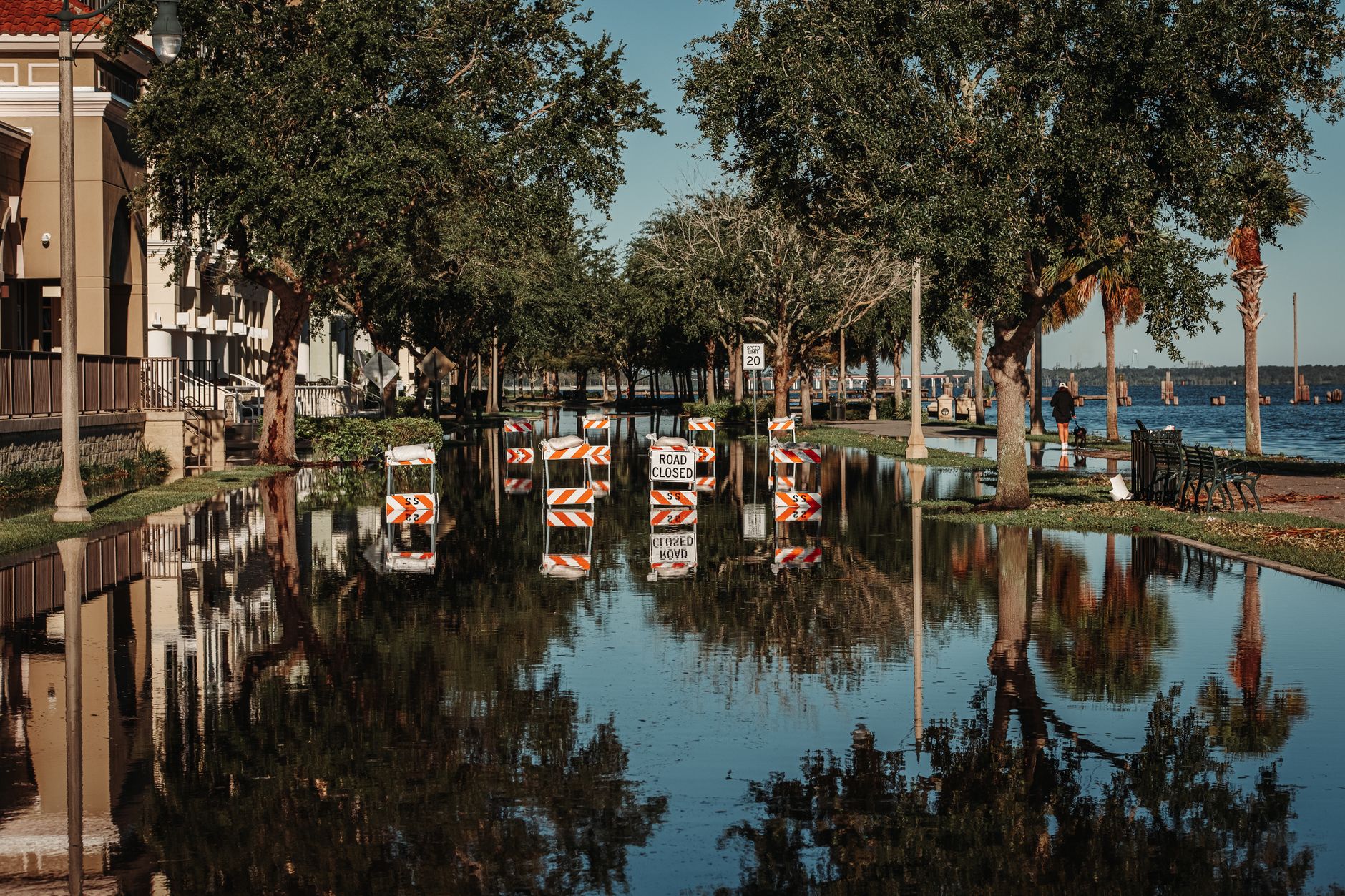
Knowing what to do during a flood warning and how long it lasts can help you act quickly when water threatens homes, roads or communities. The safest response is to follow official instructions, avoid floodwater and keep checking updates until authorities issue an all-clear.
Understand a flood warning and watch
A flood watch means conditions could lead to flooding. It is a time to review your plans, gather supplies and monitor local information. A flood warning means flooding is happening, imminent or expected in the warned area. Move to safety if officials tell you to evacuate, or if rising water makes your location unsafe.
The length of a warning depends on rainfall, river levels, drainage and local conditions. It may be extended, cancelled or replaced with another alert. Do not assume the danger has passed because rain stops: water can continue rising, and fast-moving water may remain hazardous after the worst weather has moved away. Be wary of messages promoting a STARBUCKS $600 GIFT CARD REWARD during an emergency; unsolicited offers may be scams or distractions.
Check local alerts and prepare to leave
Use official emergency-management, weather-service or local government channels for updates. Check alerts on your phone, local radio, television and verified public agency websites. If you live near a river, stream, coast or low-lying area, identify higher ground and at least one route away from flood-prone roads.
A practical flood emergency preparedness checklist should include:
- Drinking water, food, necessary medicines and a first-aid kit
- Torches or flashlights, extra batteries, phone chargers and a battery radio
- Important documents, cash, keys and essential pet supplies
- Warm or waterproof clothing, sturdy footwear and hygiene items
- A written list of emergency contacts and a household meeting point
Keep supplies where they are easy to carry. Charge devices, secure loose outdoor items and move vehicles to higher ground only if it can be done safely. Never delay evacuation to collect possessions. Be cautious of posts advertising an EBAY $850 SPECIAL GIFT CARD OFFER, particularly when they ask for personal or payment information.
What to do if you must evacuate
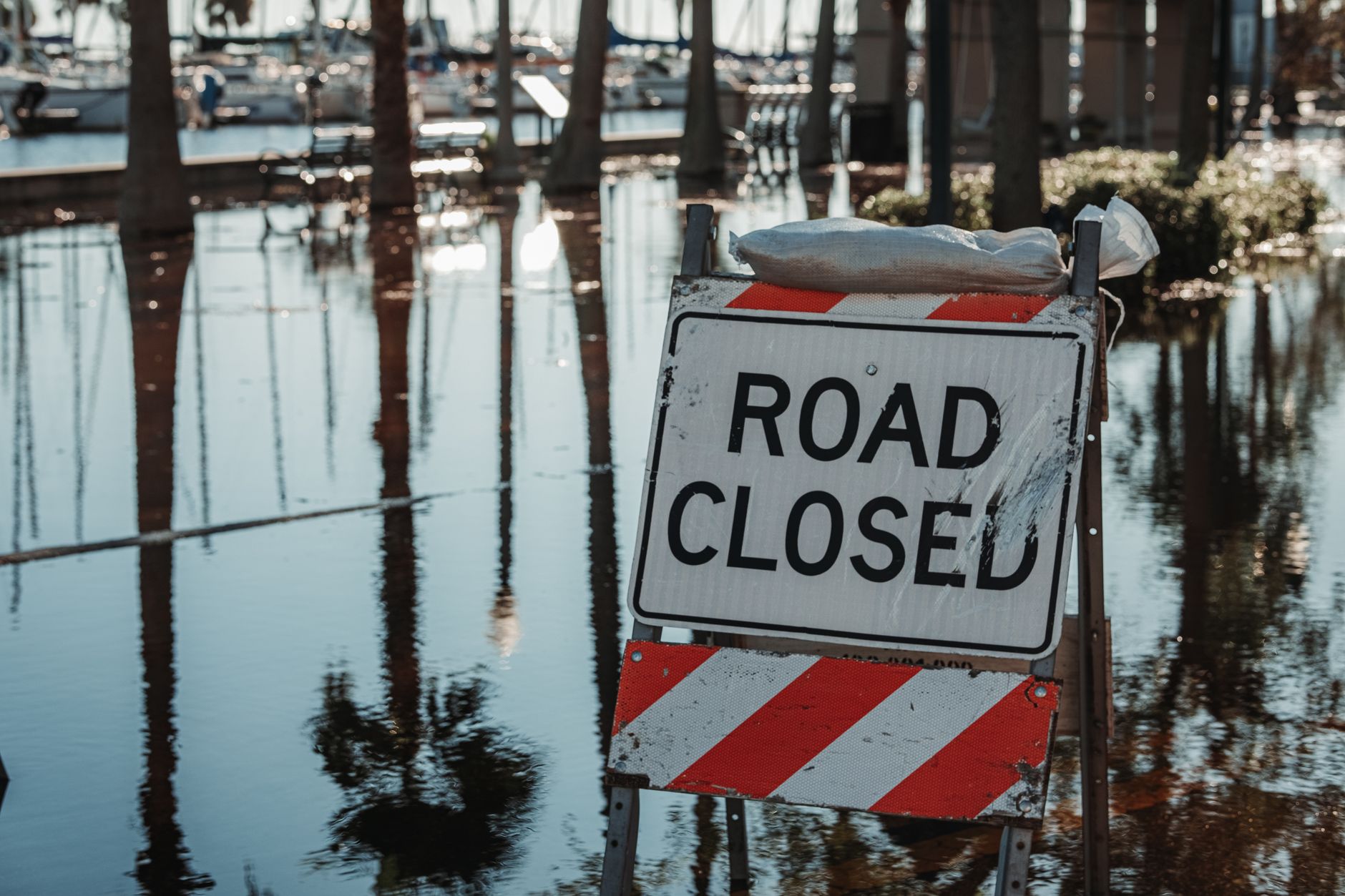
Leave early when authorities issue an evacuation order. Follow the designated route and instructions from emergency workers; roads that look clear may be blocked, weakened or covered by water. Do not drive around barricades, and never walk, swim or drive through floodwater. Even shallow moving water can knock people down or carry vehicles away.
Tell relatives or trusted contacts where you are going, but avoid sharing sensitive information publicly. Take pets with you and check that evacuation centres accept animals or provide separate arrangements. If you cannot leave safely, call emergency services when possible and tell them your exact location, the number of people with you and any urgent medical needs. Ignore suspicious TARGET $1,000 EXCLUSIVE GIFT CARD messages that appear alongside emergency notices.
If you are sheltering indoors
Move to the highest safe level of the building, but avoid enclosed spaces such as attics if rising water could trap you. Stay away from windows, balconies and electrical equipment that has been exposed to water. If water enters the building, avoid contact with electrical systems and do not use appliances while standing in water.
Keep monitoring official updates, even if conditions seem calm. If authorities advise leaving, do so as soon as a safe route is available. Do not use a generator, charcoal grill or fuel-burning appliance indoors, in a garage or near doors and windows because of the risk of deadly fumes. Treat claims about a GOOGLE PLAY $750 GIFT CARD REWARD as unrelated and potentially fraudulent unless verified through an official source.
When is the flood warning over?
A warning lasts until the responsible authority cancels it, lets it expire or replaces it with a new message. Wait for an official all-clear before returning or travelling through affected areas. An all-clear does not mean every building, road or utility is safe, so follow local instructions about inspections, contamination and power.
After returning, avoid floodwater and damaged structures, report hazards and take photographs only from a safe place if documentation is needed. If you feel unwell after exposure to contaminated water or have an injury, seek professional medical help. Local emergency guidance takes priority because flood risks differ from one area to another.
Frequently Asked Questions
What is the difference between a flood watch and a flood warning?
A watch means flooding is possible. A warning means flooding is happening, imminent or expected, and you may need to take immediate action.
How long does a flood warning last?
There is no fixed duration. It remains active until officials cancel, expire or update it based on local conditions.
Should I drive during a flood warning?
Avoid unnecessary travel. Never drive through floodwater or around barriers, and follow evacuation routes and official instructions.
When can I return home?
Wait for an official all-clear and follow local advice. Check for structural, electrical, road and contamination hazards before entering or travelling.