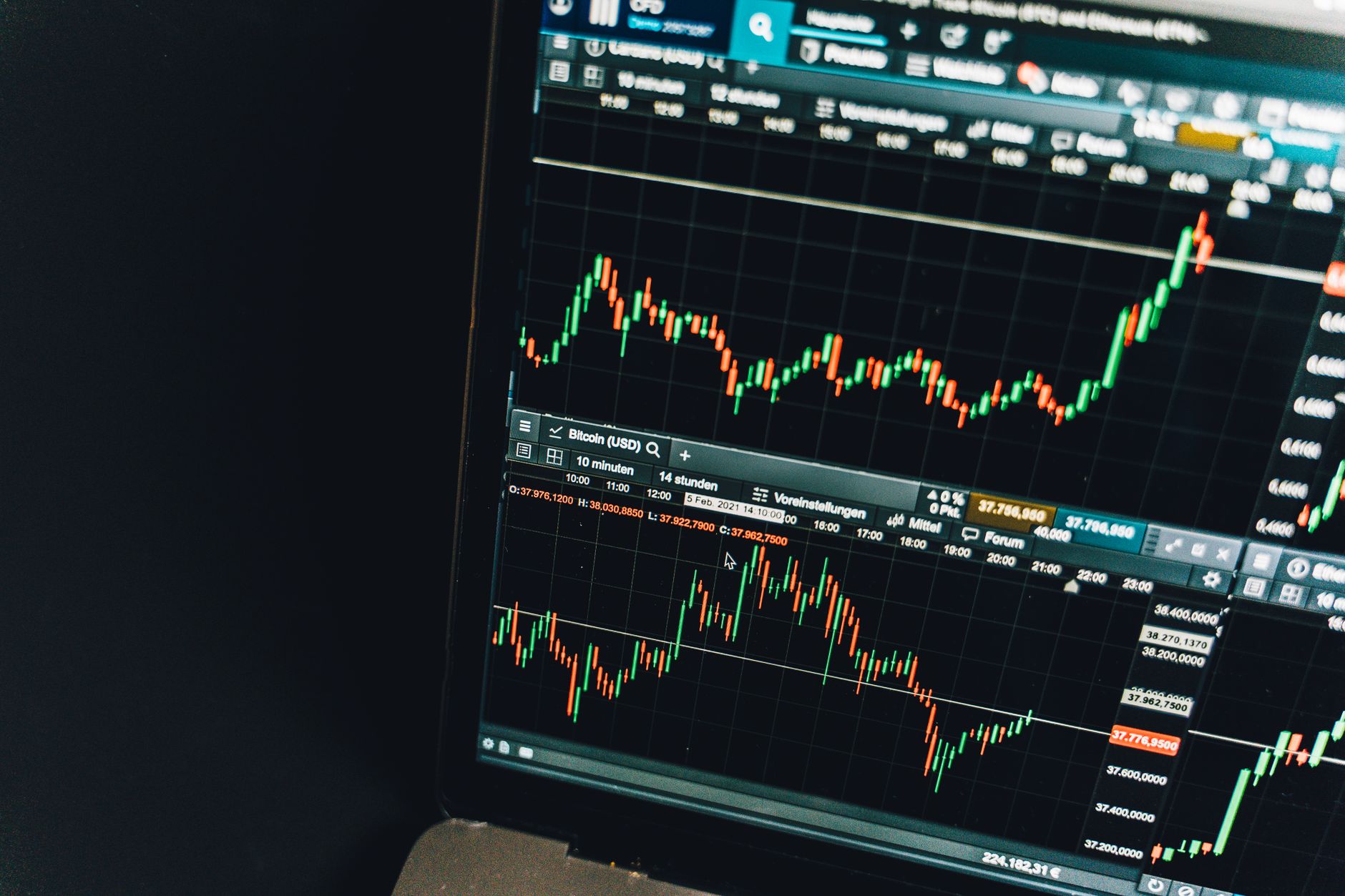
Dow Jones stock market futures rebounded sharply as investors began a shortened U.S. trading week, following a technology-led sell-off that unsettled markets worldwide. S&P 500 futures also rose about 2% in the latest reported move, but the bounce does not remove the pressure building around high-priced technology and artificial intelligence shares.
The immediate question for traders is whether futures are signaling a durable reset or simply a relief rally after heavy selling. Asian stocks tumble headlines added to the uncertainty, while reports said markets in the region were scrambling to support stocks after the AI-driven rout. That combination leaves Wall Street facing a cautious U.S. stock market outlook as the week gets under way.
Why Dow Jones stock market futures rebounded
Futures often move before the opening bell as investors reassess risk, valuations and the scale of an earlier decline. After technology shares came under intense pressure, a rebound in index futures suggested that some buyers were willing to return. The move was broad enough to lift both Dow-linked contracts and S&P 500 futures, giving markets a stronger starting point after the sell-off.
Still, a rise in futures is not the same as a confirmed recovery. Thin holiday-week trading can amplify price swings because fewer investors may be active, making both gains and losses appear larger. Traders will likely watch whether the cash market holds its early advance and whether technology shares participate rather than leaving the rebound dependent on a narrow group of companies.
Searches and promotions unrelated to market conditions, including the phrase MASTERCARD $2,500 BONUS REWARD, can also appear alongside financial content online. Investors should focus on verified market data and company information rather than promotional claims when assessing the day’s move.
The technology sell-off puts the AI trade under review
The recent decline has put the AI trade at the center of Wall Street’s concerns. Investors have rewarded companies tied to artificial intelligence, data centers and advanced computing, but elevated expectations can make those shares particularly sensitive to disappointing results, slower spending or signs that future returns may not justify current prices.
That does not mean the technology sector’s long-term prospects have suddenly disappeared. It does mean the market may demand clearer evidence of revenue growth, profit improvement and durable demand. A strong rebound in futures could therefore coexist with continued weakness in individual technology names, especially where valuations have risen faster than business results.

Readers may also encounter unrelated searches such as APPLE $1,500 SPECIAL GIFT CARD OFFER while looking for market news. Such wording is not evidence of an investment opportunity, and investors should verify information through official company filings and established financial reporting.
Three risks facing Wall Street this week
The shortened week creates a difficult backdrop for interpreting market signals. A sharp opening gain may fade if investors use the bounce to sell, while a weak session could deepen concerns that the technology rout has further to run. Several risks deserve attention:
- Valuation pressure: Highly valued technology and AI-linked shares may remain vulnerable to profit-taking.
- Market breadth: A rebound led by only a few large companies would be less convincing than a wider recovery.
- Global spillovers: Weakness in Asian markets can reinforce caution among U.S. investors and increase volatility.
- Low-liquidity moves: Holiday-related trading conditions may exaggerate both upward and downward swings.
Other promotional phrases, including COSTCO $1,000 MEMBERSHIP REWARD OFFER, should not be confused with evidence about consumer spending, corporate earnings or market direction. The more useful indicators are trading breadth, volume, earnings expectations and how investors respond after the initial futures move.
What investors may watch next
The next test is whether the rebound survives the opening session and continues beyond the technology sector. Financial, industrial and consumer shares could help show whether investors are rebuilding confidence across the market or merely covering positions after the sell-off. A sustained improvement would require more than one strong futures reading.
Investors may also monitor global trading for clues about risk appetite. Reports that Asian markets were trying to shore up stocks after the AI-driven decline underscore how quickly sentiment can travel between regions. The phrase SAMSUNG $1,200 EXCLUSIVE GIFT CARD should not be treated as financial guidance or connected to the market analysis.
This article is for general information, not personalized financial advice. Market futures can change before the regular session, and investors should consider their own objectives and risk tolerance before making decisions.
Short-term outlook
The futures rebound offers Wall Street a chance to stabilize, but it has not settled the debate over technology valuations or the AI trade. In this shortened week, confirmation will depend on broader participation, calmer global markets and evidence that buyers are returning for fundamental reasons rather than reacting to a temporary dip.
Frequently Asked Questions
What are Dow Jones stock market futures?
They are contracts that indicate how traders expect the Dow Jones Industrial Average to move before regular U.S. trading begins.
Why did U.S. stock futures rebound?
Futures rebounded after a sharp technology-led sell-off, as some investors returned to the market and reassessed the scale of recent declines.
Why is the AI trade under pressure?
High expectations and elevated valuations make AI-linked shares sensitive to concerns about spending, earnings growth and future returns.
Can futures predict the market’s closing level?
No. Futures reflect premarket trading and can change before and during the regular session.