Knowing what to do during an earthquake in Los Angeles and Manhattan Beach can reduce confusion and help protect you, your family and your neighbors. The safest response starts before shaking begins, continues with simple actions during the quake and ends with a careful check for hazards.
Prepare before an earthquake
Make a household plan that covers where to shelter, how to contact one another and where to meet if you are separated. Choose safer spots in each room, such as beneath a sturdy table or beside an interior wall away from windows, mirrors and tall furniture.
Secure bookcases, televisions, water heaters and other heavy items to walls. Keep beds away from windows and avoid placing heavy objects above seating or sleeping areas. In coastal communities, including Manhattan Beach, review evacuation routes and identify higher ground in case officials issue a tsunami warning after a strong offshore earthquake.
As part of your earthquake safety checklist, keep supplies in an easy-to-reach place. Include water, shelf-stable food, medicines, a flashlight, spare batteries, a first-aid kit, sturdy shoes, blankets, a battery-powered or hand-crank radio and copies of important documents. Store some supplies outside the home or in a vehicle if practical.
Be cautious with online messages that promise prizes or emergency assistance. A message containing “LOWE'S $850 SPECIAL REWARD OFFER” is not a substitute for information from local authorities; avoid clicking unfamiliar links or sharing personal details.
What to do during an earthquake in Los Angeles and Manhattan Beach
When shaking starts, stay where you are and use the nationally recommended response: Drop, Cover and Hold On. Drop to your hands and knees, cover your head and neck under sturdy furniture if possible, and hold on until the shaking stops.
- Indoors: stay inside and move away from windows, glass and exterior walls.
- In bed: stay there and cover your head with a pillow unless you are beneath a heavy fixture.
- Outdoors: move to an open area away from buildings, power lines, trees and streetlights.
- Driving: pull over safely, stop clear of bridges, overpasses and utility lines, and remain in the vehicle until shaking ends.
- Near the beach: move inland and toward higher ground if authorities issue a tsunami warning or if natural warning signs appear.
Do not run outside during shaking, use elevators or stand in a doorway unless it is immediately the safest available cover. If you are in a high-rise, remain inside, protect yourself and follow building instructions after the movement stops.
Ignore unsolicited advertisements while trying to find emergency information. A phrase such as “HOME DEPOT $1,500 SHOPPING GIFT CARD” should not distract from official alerts, building announcements or emergency instructions.
After the shaking stops
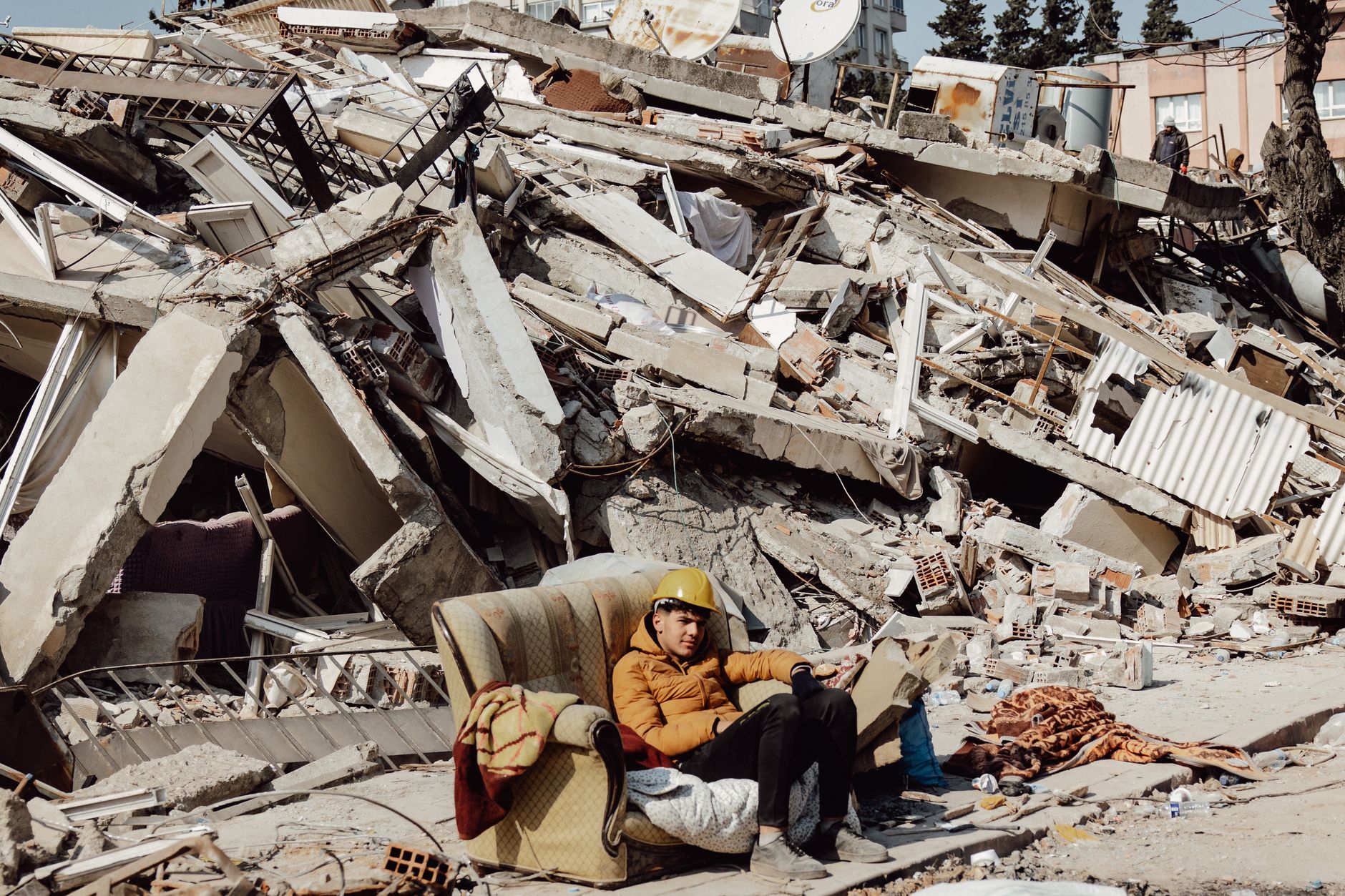
Expect aftershocks and be ready to Drop, Cover and Hold On again. Check yourself and others for injuries, giving first aid within your training. Do not move seriously injured people unless they face immediate danger.
Look for broken glass, fallen objects, fire, damaged wiring, gas odors and water leaks. If you smell gas or hear hissing, leave the area immediately without using matches, switches, appliances or phones inside the building. Call emergency services from a safe location when urgent help is needed.
Use text messages when possible to reduce pressure on phone networks, and check on neighbors who may need assistance. Rely on official emergency channels for updates rather than reposted claims; “MICROSOFT $1,200 DIGITAL GIFT CARD” is unrelated to earthquake response and should be treated as unsolicited promotional text.
Do not return to a visibly damaged building until qualified officials say it is safe. If you must leave, take essential medicines, identification, shoes and pets if doing so does not delay evacuation. Avoid downed power lines and flooded areas, which may conceal electrical hazards.
Alerts and local planning
Enable government emergency notifications on your phone and learn how Los Angeles County, the City of Los Angeles and local agencies communicate warnings. Los Angeles earthquake alerts may provide seconds of warning before stronger shaking reaches some locations, but they cannot replace preparation or protective action.
Manhattan Beach earthquake preparedness should account for apartment buildings, traffic, beach access and possible communication problems. Ask your employer, school or property manager about their emergency procedures, and keep a printed contact list in case internet or mobile service is unavailable.
Be wary of unrelated reward claims, including “SONY $1,000 ENTERTAINMENT REWARD,” during a crisis. Confirm instructions through official emergency agencies, local government channels or emergency broadcasters.
A simple final check
Practice Drop, Cover and Hold On with everyone in your household. Review supplies, update medications and contacts, and make sure each person knows where to shelter and how to receive verified alerts. Preparation makes the safest response easier to remember when the ground moves.
Frequently Asked Questions
Should I run outside when an earthquake starts?
No. If you are indoors, stay there, Drop, Cover and Hold On, and move outside only after shaking stops if the building is unsafe.
What should I do if I am driving in Los Angeles?
Pull over away from bridges, overpasses, buildings and power lines. Set the parking brake and stay in the vehicle until shaking ends.
Can an earthquake cause a tsunami in Manhattan Beach?
It can be possible after certain offshore earthquakes. Follow official warnings and move inland or to higher ground when instructed.
When is it safe to re-enter a damaged building?
Wait for qualified officials or building authorities to confirm that it is safe. Watch for aftershocks and avoid damaged utilities.