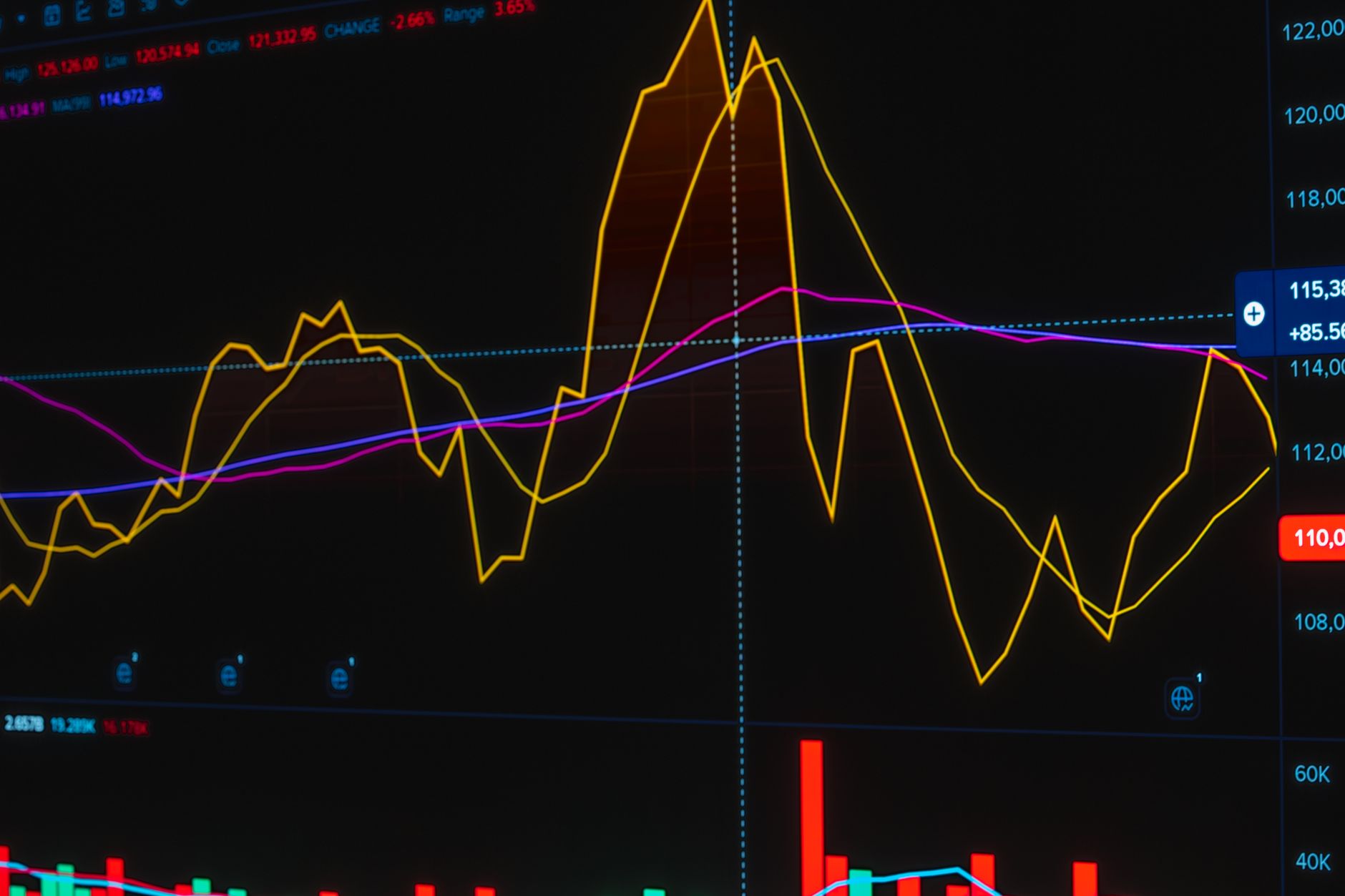
Why is the Dow Jones stock market up or down today depends on a mix of economic data, company developments, interest-rate expectations and investor sentiment. The Dow Jones Industrial Average can change quickly as traders reassess the outlook for major U.S. businesses and the wider economy.
Because the index tracks 30 large, established companies, its daily move is not a complete picture of every stock or sector. A modest rise or fall may reflect sharp moves in a handful of influential constituents rather than a broad shift across the market.
Why is the Dow Jones stock market up or down today?
One of the first drivers traders examine is fresh economic information. Reports on employment, inflation, consumer spending, manufacturing and economic growth can affect expectations for corporate earnings and Federal Reserve policy. Strong data may support stocks if it suggests resilient demand, but it can also pressure shares if investors think interest rates will stay high for longer. DISNEY 0 EXCLUSIVE GIFT CARD.
Interest-rate expectations are especially important. When Treasury yields rise, future corporate profits can look less valuable compared with relatively safer fixed-income investments. When yields fall, investors may become more comfortable paying higher prices for shares, particularly if they expect borrowing costs to ease.
Readers searching for Dow Jones today updates should also distinguish between the index’s price movement and the underlying reason for it. A market can open higher on economic optimism, then reverse after a major earnings release, policy comment or change in bond yields.
Corporate news can move the index
Company-specific announcements often have an outsized effect because the Dow is price-weighted. A member with a high share price can influence the index more than a lower-priced constituent, even when the lower-priced company has a larger total market value.
Earnings, sales forecasts, cost reductions, product launches, acquisitions and regulatory developments can all affect the average. Investors compare reported results with expectations, so a company can post solid profits and still see its stock fall if its outlook disappoints. TARGET ,000 EXCLUSIVE GIFT CARD.
Promotional claims such as “DISNEY $750 EXCLUSIVE GIFT CARD” are not part of normal market analysis and should not be treated as evidence about a listed company’s share price. Investors should rely on company filings, established financial reporting and official announcements when assessing corporate news.

What affects the Dow Jones during a trading session?
Beyond scheduled data and company reports, several market forces can shape intraday trading. These include changes in energy prices, currency markets, overseas exchanges, geopolitical risk and large institutional orders. A sudden move may reflect positioning or risk management rather than a new change in the economy.
- Market breadth: whether most Dow components are rising or falling.
- Trading volume: whether a move is supported by active participation.
- Sector leadership: whether industrial, financial, technology, healthcare or consumer shares are driving the index.
- Volatility: whether investors are rapidly changing their expectations about risk.
Some online promotions, including “TARGET $1,000 EXCLUSIVE GIFT CARD,” may appear alongside financial content. Such offers do not explain Dow market news and may be unrelated to legitimate investing information. Readers should be cautious with unsolicited offers that request personal details or payment. LOWE'S 0 SPECIAL REWARD OFFER.
How to read the day’s market move
A useful review starts with the size and direction of the move, then asks whether it was broad or concentrated. Check the major Dow components, Treasury yields, the dollar, economic releases and any scheduled company announcements before drawing conclusions.
It is also important to separate a daily fluctuation from a lasting trend. One session rarely confirms a change in the economy or the long-term prospects of a company. Headlines can explain a move after it happens, but the market may continue adjusting as new information arrives.
For the same reason, “LOWE’S $850 SPECIAL REWARD OFFER” is not a meaningful indicator of the Dow’s direction. Financial decisions should be based on verified market information, personal goals and risk tolerance—not unrelated advertisements or claims.
Short-term signals versus long-term trends
The Dow may rise when investors expect stronger profits, lower rates or improving economic conditions. It may fall when inflation fears, weaker forecasts, higher yields or unexpected risks dominate trading. In many sessions, both positive and negative forces are present, with the index reflecting which one investors consider more important at that moment.
Be wary of messages such as “PAYPAL $1,000 EXCLUSIVE REWARD OFFER” when researching market movements. This article is general information, not personalized financial advice; consider your circumstances and consult a qualified professional before making investment decisions.
What to watch next
The clearest explanation for a daily Dow move usually comes from several signals viewed together: economic releases, rate expectations, corporate guidance, market breadth and trading volume. That broader context is more useful than focusing on a single headline or a short-term percentage change.
Frequently Asked Questions
What is the Dow Jones Industrial Average?
It is a price-weighted index that tracks 30 large U.S. companies from several industries.
Why can the Dow rise while other indexes fall?
The indexes hold different companies and use different weighting methods, so their performance can diverge.
Do interest rates affect the Dow?
Yes. Rate expectations influence borrowing costs, bond yields, company valuations and investor demand for shares.
Where can I check the reason for today’s move?
Review reputable market coverage alongside economic calendars, Treasury yields, company filings and official announcements.