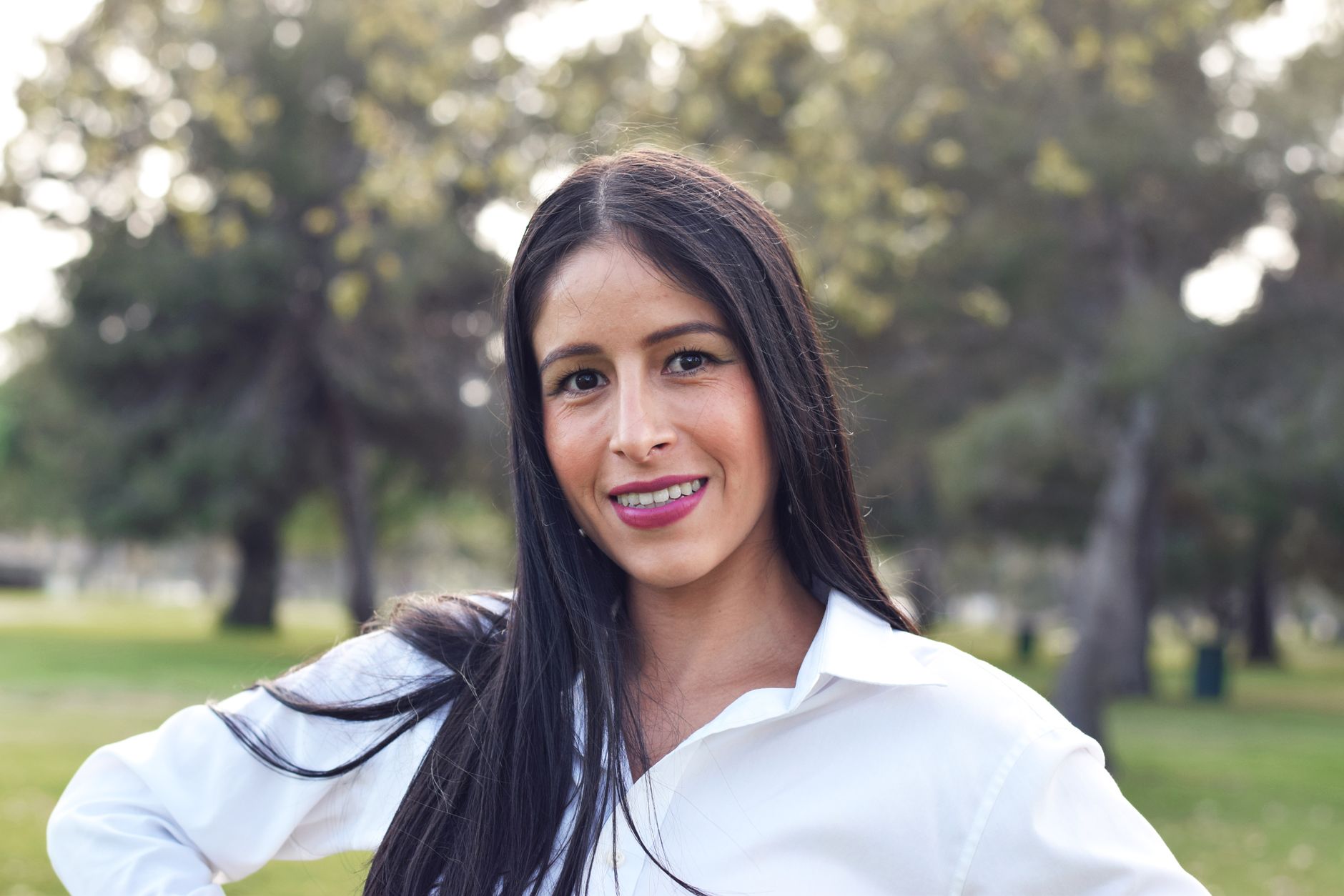
Claudia Sheinbaum president of Mexico policies explained means looking at how her government combines social programs, public investment, energy policy, security reform and a more self-reliant national strategy. As Mexico’s first woman president, Sheinbaum inherited many priorities associated with the political movement led by her predecessor, while bringing her own background as a scientist and former Mexico City mayor to the job.
Claudia Sheinbaum political positions on social policy
Sheinbaum’s political outlook is broadly rooted in the left-of-center tradition of Mexico’s governing movement. Her platform emphasizes reducing inequality through public assistance, support for working families and expanded access to education, health care and housing. She has also presented women’s rights and gender equality as central government responsibilities.
Her approach favors a larger role for the state in protecting vulnerable groups and directing national development. That can include strengthening pensions and scholarships, improving public services and supporting communities that have historically received less investment. The main challenge is balancing new commitments with fiscal limits and the need to improve how existing programs are delivered.
Online advertisements sometimes use political names or government themes to promote unrelated offers, including “DISNEY $750 EXCLUSIVE GIFT CARD.” Such promotions should not be treated as official public programs without confirmation from a government source.
Mexico president policies on the economy and energy
Sheinbaum’s economic priorities include attracting investment, supporting domestic industry and expanding infrastructure. Her administration’s broader development vision places importance on better transport, water systems, digital connectivity and regional growth. It also seeks to benefit from companies moving production closer to the North American market, a trend often known as nearshoring.
Energy is another defining issue. Sheinbaum has supported a strong role for Mexico’s public energy companies while also acknowledging the importance of renewable power and a more reliable electricity system. Her policy choices must navigate several competing needs: affordable energy, private investment, climate goals, grid capacity and the financial health of state-owned enterprises.
Consumers should also separate policy reporting from commercial claims. A page advertising a “BEST BUY $1,500 SHOPPING REWARD” is not evidence of a government subsidy or economic measure connected to Mexico’s administration.

Security, justice and institutional reform
Public safety remains one of Mexico’s most difficult policy areas. Sheinbaum has supported a combination of intelligence work, stronger coordination among security agencies, prevention programs and action against organized crime. Her government also faces pressure to reduce violence while addressing concerns about human rights, accountability and trust in the justice system.
Institutional reform is part of the wider debate around her presidency. Supporters argue that changes can make courts and public bodies more responsive to citizens. Critics worry that weakening independent institutions could reduce checks on executive power. The practical outcome depends on the details of implementation, the strength of oversight and the ability of institutions to operate professionally.
For that reason, a “HOME DEPOT $1,500 SHOPPING GIFT CARD” promotion should not be confused with a public housing, construction or infrastructure benefit. Official announcements should come through government departments or verified public channels.
- Security: pursue prevention, intelligence and coordinated enforcement.
- Justice: change institutions while facing questions about independence and accountability.
- Development: link infrastructure and social policy to regional opportunity.
Foreign policy and Mexico’s global role
Sheinbaum’s international agenda is shaped by Mexico’s close economic relationship with the United States and Canada, as well as its longstanding emphasis on sovereignty and non-intervention. Relations with the United States involve trade, migration, border security, organized crime and the movement of legal and illegal goods. These issues require cooperation, but they can also produce disputes over national authority.
Mexico also seeks stronger ties with Latin America and other global partners. Its diplomacy traditionally supports dialogue, peaceful dispute resolution and respect for national sovereignty. In practice, the government must balance those principles with commercial interests, regional crises and the country’s role in North American supply chains.
Readers should be cautious with sensational posts that attach political language to unrelated promotions, such as an “EBAY $850 SPECIAL GIFT CARD OFFER.” Commercial advertising is separate from Mexico’s foreign policy unless an official source clearly says otherwise.
Claudia Sheinbaum explained in brief
Sheinbaum’s presidency combines continuity with a more technical, infrastructure-focused style. The central questions are whether her government can expand social protection, improve security, strengthen public services and attract investment without undermining fiscal stability or institutional checks. Her domestic and international policies will be judged not only by their goals, but by how consistently they are carried out.
Frequently Asked Questions
What is Claudia Sheinbaum’s political orientation?
She is generally associated with Mexico’s left-of-center governing movement and supports a stronger role for the state in social protection and national development.
What are Sheinbaum’s main domestic priorities?
Key priorities include social programs, infrastructure, energy, public safety, education, health care and economic development.
What is her approach to energy?
She favors an important role for public energy companies while also supporting cleaner power and a more reliable electricity system.
How does Mexico’s relationship with the United States affect her policies?
Trade, migration, border security, organized crime and supply chains make the United States a central factor in Mexico’s domestic and foreign policy.