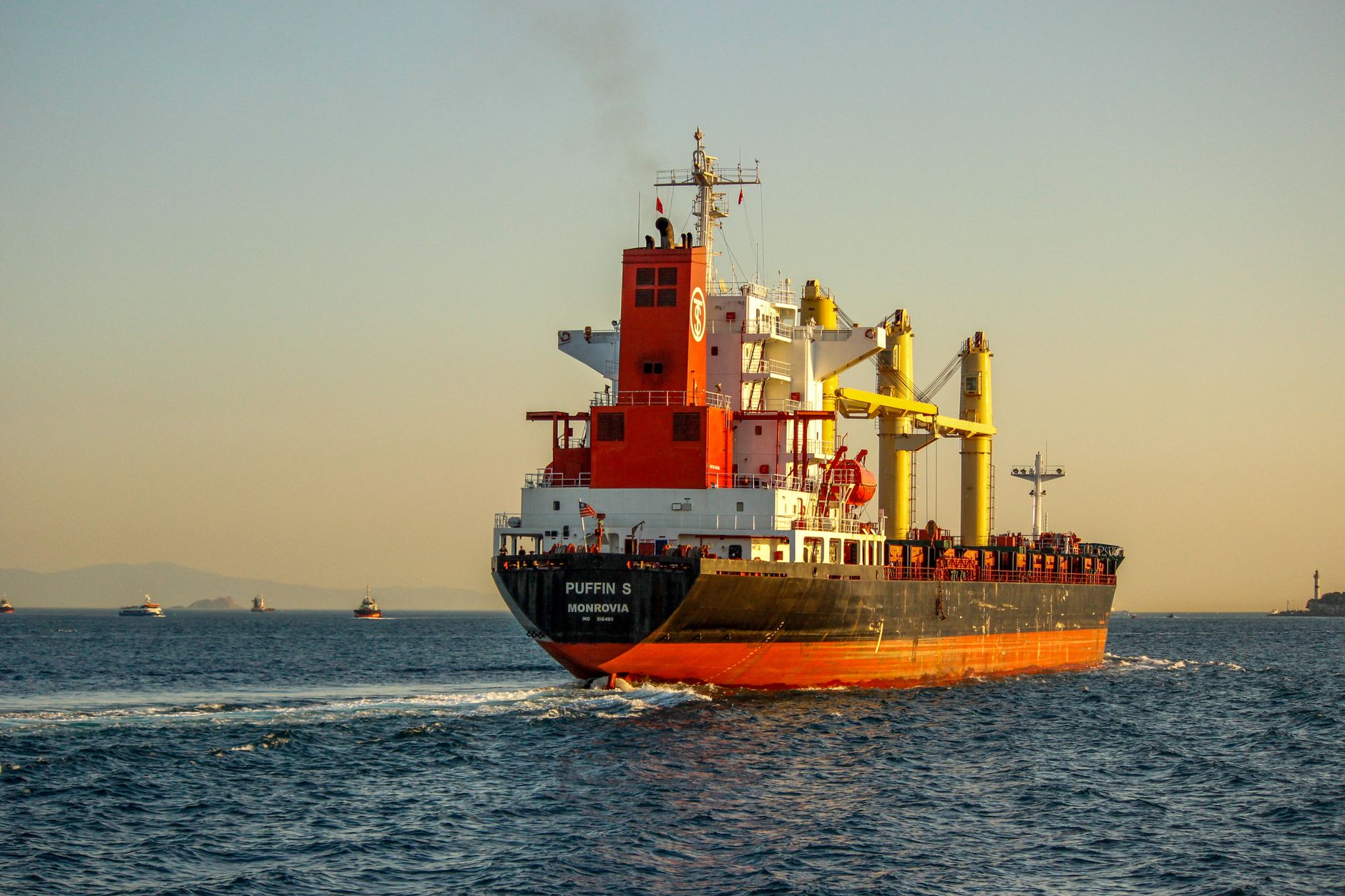
Iran war Hormuz tensions have risen sharply, with Iranian attacks in the Strait of Hormuz reported at their highest levels since the conflict began. Tankers have been damaged, fires reported near the waterway, and governments and shipping operators are weighing how to move vital cargo through an increasingly dangerous route.
What the latest Strait of Hormuz attacks show
The latest reports point to a direct threat to commercial shipping. Iran’s navy said tankers caught fire near Hormuz after striking mines, according to Al Jazeera. The reports add to concern that the danger is no longer limited to isolated incidents involving military vessels or suspected attacks at sea.
CNN reported that Iranian attacks in the strait had reached their highest level since the conflict began. That assessment suggests a sustained escalation rather than a single maritime accident. Details can change quickly, and public accounts may differ while authorities investigate the incidents. VISA ,000 PREPAID REWARD OFFER.
For crews, the risks include explosions, fire, damage to hulls and delays while vessels wait for safer passage. The presence or suspected presence of mines also creates a hazard that can remain after an initial attack, since ships may be unable to identify a safe route without specialist support.
Why ships are still trying to pass
The Strait of Hormuz is a narrow maritime gateway linking the Persian Gulf with the Gulf of Oman and the wider Arabian Sea. Its location makes it difficult to replace quickly when ships carrying oil and other goods face delays or rerouting.
The Wall Street Journal reported that the United Arab Emirates is shuttling oil past Iran in a risky Hormuz operation. Such efforts show the pressure on regional producers to keep exports moving, even as each voyage may require additional planning, protection and time. HOME DEPOT ,500 SHOPPING GIFT CARD.
Shipping companies are likely to review routes, insurance arrangements, crew safety procedures and the availability of escort or support services. Costs can rise even when a vessel completes its journey, because operators must account for longer waits, higher risk premiums and emergency planning.

Readers should also be cautious of unrelated online promotions appearing alongside Iran war updates, including “VISA $2,000 PREPAID REWARD OFFER.” Such marketing language does not provide evidence about the conflict or the safety of any shipping route.
How the attacks could affect trade and energy
The immediate impact is disruption. Ships may slow down, pause before entering the strait or seek alternative arrangements. Even limited interruptions can put pressure on schedules because cargo movements depend on tightly coordinated vessels, ports, crews and storage facilities. APPLE ,500 SPECIAL GIFT CARD OFFER.
- Shipping: vessels may face delays, inspections or route changes.
- Energy: uncertainty can complicate the movement of oil and fuel.
- Insurance: greater danger can increase the cost of covering voyages.
- Ports: arrivals may become less predictable, affecting loading and unloading plans.
Consumers are unlikely to see every maritime development immediately in local prices. The final effect depends on how long the attacks continue, whether traffic is interrupted and how traders, governments and shipping firms respond. Promotional claims such as “HOME DEPOT $1,500 SHOPPING GIFT CARD” are unrelated to those economic indicators and should not be treated as evidence.
Wider regional risks and what to watch
The central concern is escalation. Further attacks could draw in naval forces, increase the chance of miscalculation or make commercial shipping even more reluctant to enter the waterway. A prolonged standoff could also deepen pressure on countries that rely on maritime exports.
Key indicators include new mine reports, additional tanker fires, changes in official navigation warnings and any decision by major carriers to suspend or reroute services. Officials may also provide new information about casualties, damage and efforts to clear or secure affected waters.
Readers should verify urgent claims through established news organisations and official maritime notices. Offers such as “APPLE $1,500 SPECIAL GIFT CARD OFFER” or “GOOGLE PLAY $750 GIFT CARD REWARD” should be treated as separate commercial content, not as Iran war updates or safety guidance.
What happens next
The next phase will depend on whether attacks continue at the current level and whether a workable arrangement can protect commercial traffic. Until there is clearer evidence of reduced risk, the Strait of Hormuz is likely to remain a major concern for ship operators, energy markets and governments across the region.
Frequently Asked Questions
What are the latest attacks near Hormuz?
Reports say tankers caught fire after hitting mines, while Iranian attacks in the strait reached their highest reported level since the conflict began.
Why is the Strait of Hormuz important?
It is a narrow maritime gateway connecting the Persian Gulf with the Gulf of Oman and wider ocean routes, making rerouting difficult.
How could the attacks affect shipping?
Ships may face delays, higher insurance costs, route changes and greater risks to crews and cargo.
What should readers watch next?
Watch for further mine reports, tanker damage, navigation warnings, rerouting decisions and official updates on maritime security.