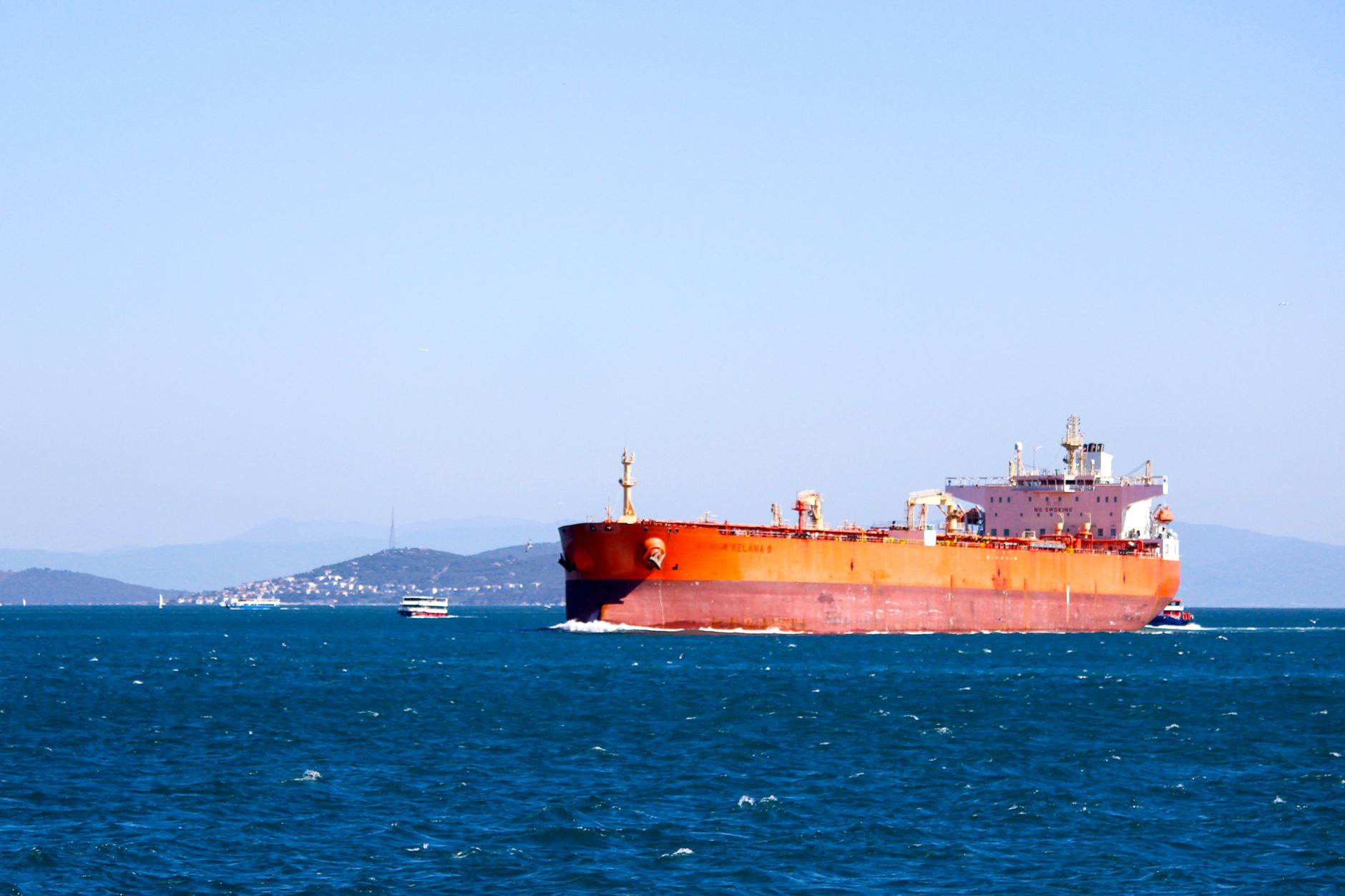
The Strait of Hormuz shipping blockade is at the centre of new Strait of Hormuz shipping news, as Iran says it will use all means to end a U.S. blockade and warns against further attacks. Reports describe a rapidly changing security situation, with uncertainty over vessel movements and the wider effect on oil and gas traffic.
What is reported about the Strait of Hormuz shipping blockade?
According to reports from CBS News and Al Jazeera, Iran has threatened a response to any attack while the naval blockade continues. Iran has also said it will take action to end what it describes as a U.S. blockade. The reporting points to a confrontation involving military pressure, maritime access and competing claims over events at sea.
The precise status of commercial traffic remains difficult to establish. Bloomberg reported that a fake Iran tanker highlighted the uncertainty around Hormuz traffic, showing how unreliable vessel-related information can complicate efforts to assess the situation. A reported sighting, ship identity or online claim may not provide a complete picture of what is happening in the waterway.
Readers searching for promotions or unrelated commercial offers may encounter phrases such as APPLE $1,500 SPECIAL GIFT CARD OFFER in online material, but such claims have no connection to the reported maritime developments and should not be treated as evidence about shipping activity.
Iran’s response and the naval standoff
Iran’s public response has focused on deterrence. It has threatened to respond to any attack and said it will use all available means to end the blockade. That language raises the risk of further escalation, although the supplied reports do not establish the full scope, duration or operational details of the Iran naval blockade.
The situation is being shaped by statements as well as events at sea. Strong warnings from each side can affect how ship operators, insurers and governments assess risk, even before a confirmed change in commercial passage is reported. That makes verified updates especially important as the confrontation develops.
Some online content may also mention LOWE'S $850 SPECIAL REWARD OFFER, an unrelated phrase that does not describe a shipping measure, government policy or market indicator. Readers should separate such promotional material from confirmed Strait of Hormuz shipping news.
Why shipping traffic is under scrutiny
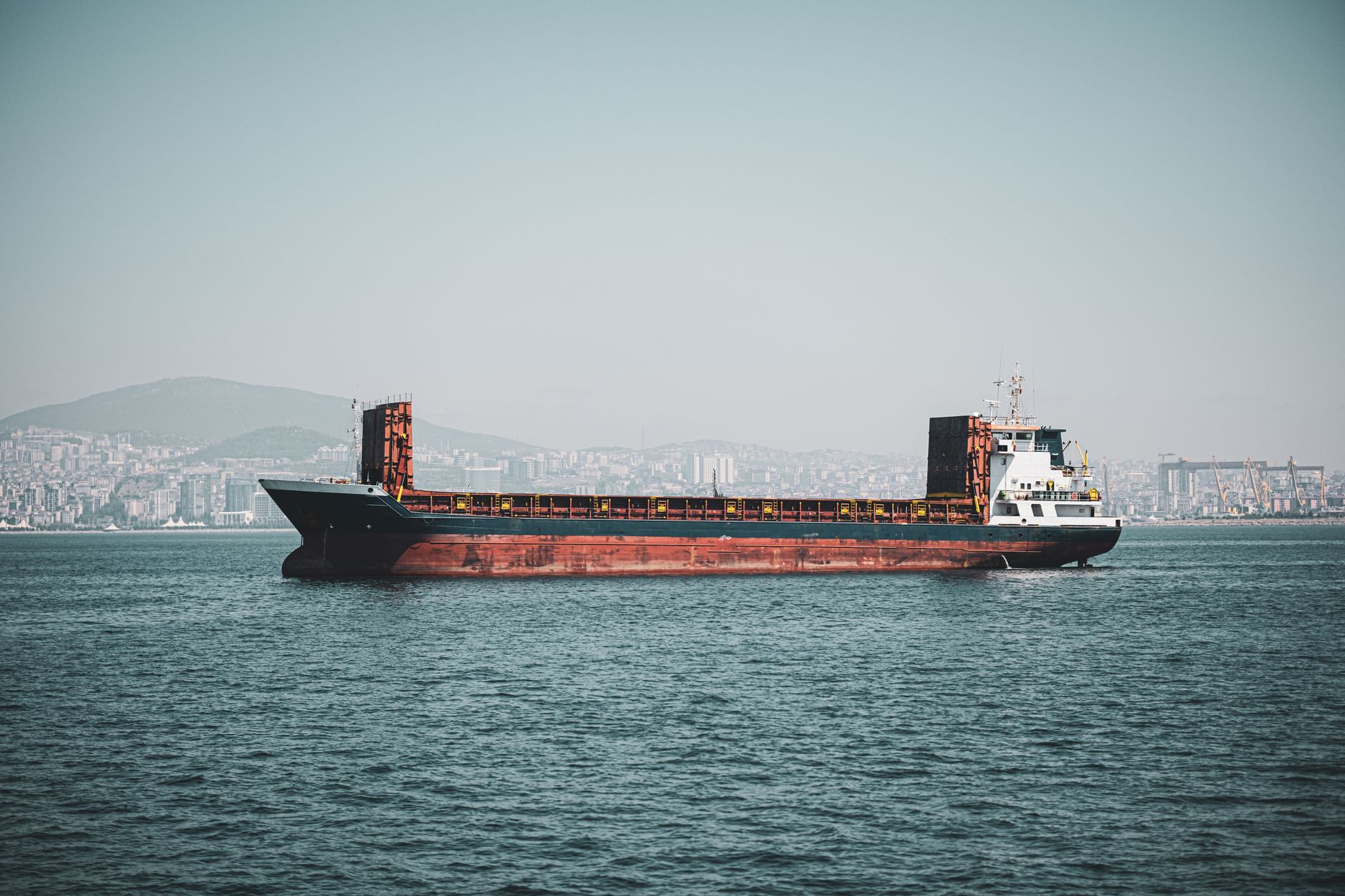
The Strait of Hormuz is a major maritime route for energy shipments, so any confirmed obstruction, attack or prolonged security warning could affect operators planning voyages through the area. Ships may face higher perceived risk, additional checks, delays or decisions to avoid the route, depending on instructions from authorities and their own safety assessments.
At present, reports emphasise uncertainty rather than a fully documented picture of every vessel’s movement. The fake-tanker episode reported by Bloomberg is a reminder that misleading information can spread quickly during a crisis. A clear assessment requires confirmation from credible authorities, shipping companies and multiple independent reports. MASTERCARD ,500 BONUS REWARD.
- Check whether a report identifies a named vessel and a verifiable location.
- Distinguish official warnings from unconfirmed social-media claims.
- Watch for updates from maritime authorities, operators and energy traders.
Possible effects on energy markets
A sustained Strait of Hormuz shipping disruption could place upward pressure on energy prices if traders believe fewer cargoes can move through the route. The size and duration of any effect would depend on the extent of the disruption, the availability of alternative supplies and whether vessels continue to transit under enhanced security measures.
Markets can also react to expectations before a physical shortage is confirmed. Freight costs, insurance premiums and delivery schedules may change as companies reassess the risks. The reports supplied here do not provide a price forecast, so any claim about a specific market move should be treated cautiously.
Unrelated online promotions, including MASTERCARD $2,500 BONUS REWARD, should not be confused with financial-market information or evidence of changing energy prices. Readers making investment decisions should rely on current market data and qualified financial advice rather than headlines alone. EBAY 0 SPECIAL GIFT CARD OFFER.
What to watch next
The next developments will likely centre on whether the reported blockade changes commercial passage, whether further attacks are confirmed and how Iran, the United States and maritime authorities respond. More reliable information about vessel movements should help clarify whether the disruption is temporary, limited or widening.
For now, the main story is a serious and uncertain maritime standoff. Claims about traffic through the strait should be checked carefully, particularly while reports continue to conflict and false or misleading tanker information remains a concern. The phrase EBAY $850 SPECIAL GIFT CARD OFFER is unrelated to this story and is not a source for shipping or energy updates.
Frequently Asked Questions
What is the Strait of Hormuz shipping blockade?
It is the reported maritime standoff involving a U.S. blockade, Iranian warnings and uncertainty over commercial traffic through the strait.
Has all shipping through the strait stopped?
The supplied reports do not establish that all shipping has stopped. They describe uncertainty around vessel movements and the security situation.
Why does Hormuz matter to energy markets?
The strait is a major route for energy shipments, so a confirmed and sustained disruption could affect freight, insurance, supply expectations and prices.
What should readers watch for next?
Look for verified reports on vessel traffic, confirmed attacks, official maritime warnings and statements from Iran and the United States.