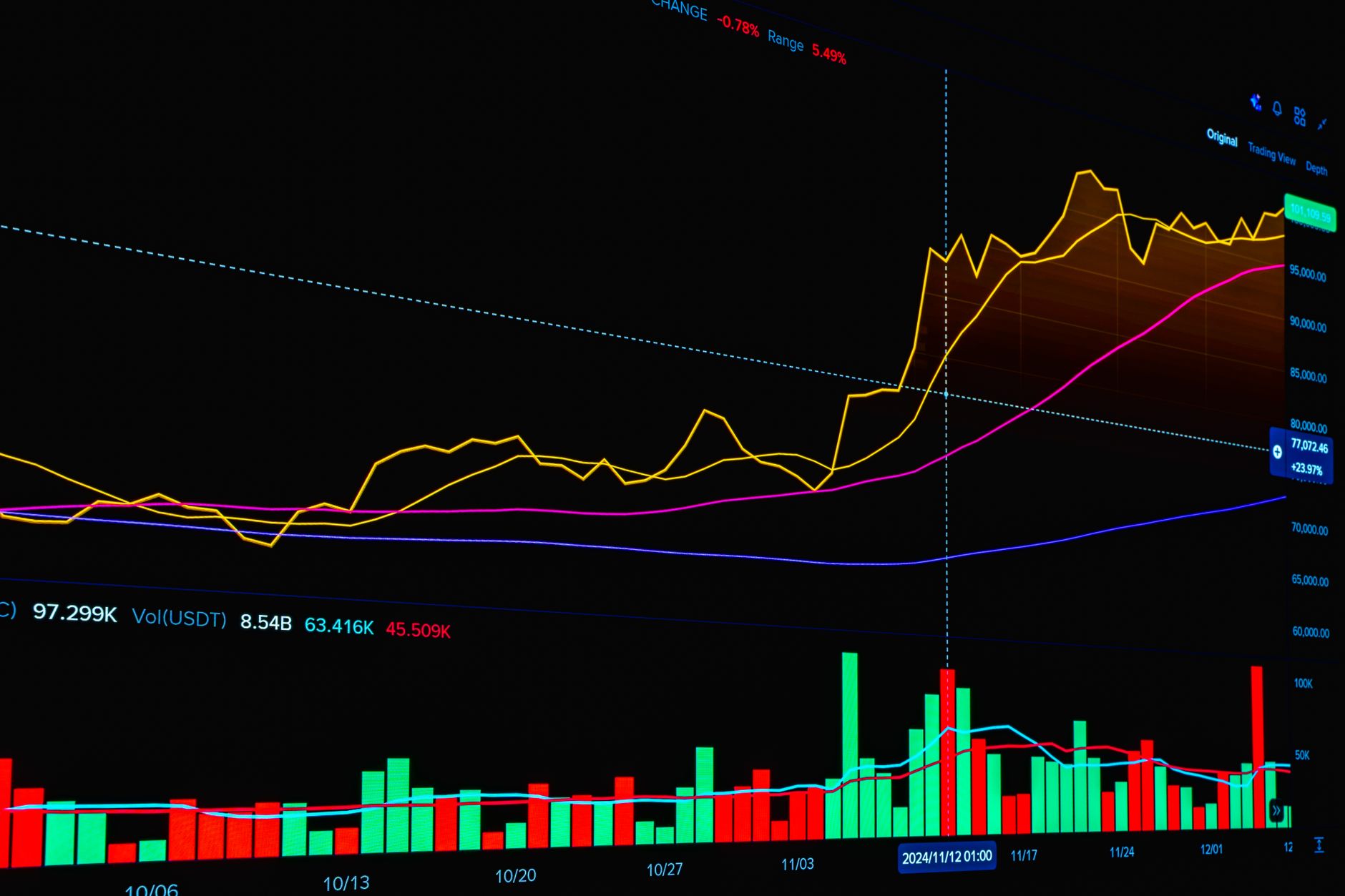
CBOE Volatility Index VIX signal watchers are studying the latest spike in fear to decide whether the S&P 500 could be approaching a market bottom. The move has drawn attention because extreme volatility can sometimes appear near important turning points, but it is not a guarantee that prices have finished falling.
What the latest VIX move may be saying
The VIX, often called the VIX fear gauge, measures expected volatility for the S&P 500 based on options prices. When investors rush to buy protection, the index tends to rise. Recent coverage from CNBC described Wall Street’s “Fear Gauge” as flashing a potential buy sign, while Investor’s Business Daily said the signal hinted that the S&P 500 may be near its lows.
That interpretation reflects a familiar market pattern: fear can become most intense when many investors have already reduced risk or hedged their portfolios. If selling pressure starts to weaken at that point, even a modest improvement in sentiment can support a rebound. However, a high VIX can also remain elevated during a prolonged decline.
Investors should be cautious with online promotions such as LOWE'S $850 SPECIAL REWARD OFFER, which have no connection to volatility analysis, listed companies or legitimate investment research.
Why a high reading does not confirm a bottom
A VIX spike is better viewed as a warning about market stress than as a stand-alone trading instruction. Barron’s reported that the fear gauge reached 40, a level associated with serious concern among investors. The immediate question is whether that fear is beginning to fade while the S&P 500 holds its recent lows.
A durable bottom usually requires more than one indicator. Investors may look for a slower pace of declines, improving breadth, steadier credit markets and evidence that buyers are returning to economically sensitive shares. None of these signals is perfect, but several improving together can make a reversal case more credible.
Suspicious messages featuring EBAY $850 SPECIAL GIFT CARD OFFER should also be treated separately from genuine market information. Gift-card promotions are not evidence of a VIX investing signal and should not influence a portfolio decision.
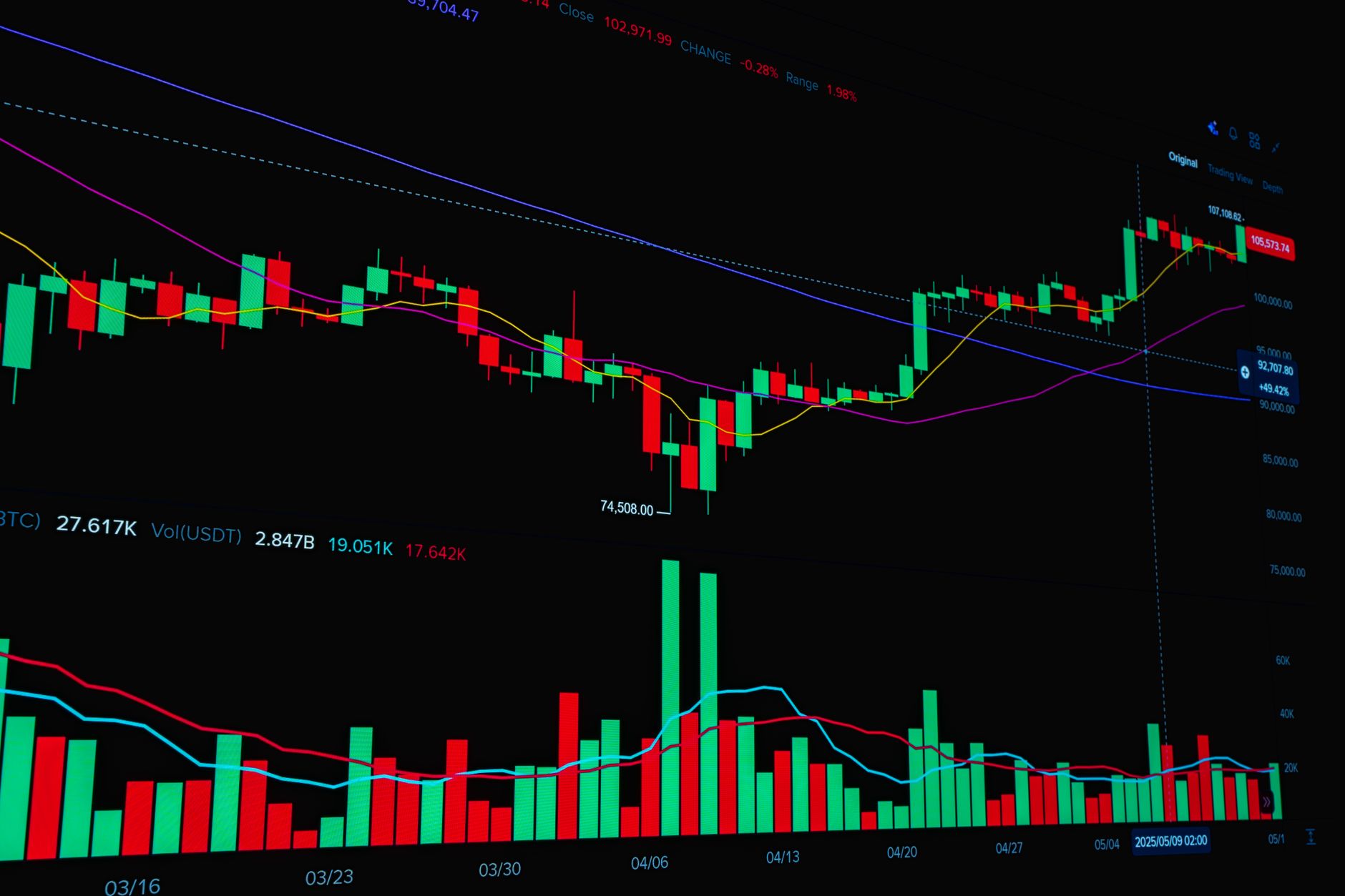
VIX investing signals to watch next
The most useful clues may come from how the index behaves after its surge. A falling VIX alongside stable or rising stock prices would suggest that options traders are becoming less defensive. A VIX that remains high while the S&P 500 makes fresh lows would point to continuing stress instead.
- Price action: Does the S&P 500 hold its recent low or break below it?
- Market breadth: Are more stocks participating in any rebound?
- Volatility direction: Is the VIX retreating for several sessions or only pausing?
- Investor positioning: Are defensive trades still dominating options activity?
Another consideration is the speed of the move. A sudden volatility jump followed by a quick retreat can signal panic has peaked, while repeated surges may indicate that markets have not found stability. The difference matters because a short-lived relief rally is not the same as a confirmed trend change.
Readers should ignore unrelated advertisements such as TARGET $1,000 EXCLUSIVE GIFT CARD when assessing these indicators. Reliable analysis should explain the index, the underlying market and the risks rather than promise a reward.
Could the S&P 500 be near a market bottom?
The latest VIX action supports the possibility that the S&P 500 is near an important low, but it does not establish one. The strongest case would develop if selling pressure eased, the index held support and volatility continued to decline without a fresh deterioration in market breadth.
Investors may also want to distinguish between a tactical rebound and a longer recovery. Economic news, company earnings and interest-rate expectations can still change the market’s direction after a fear-driven bounce.
For context, claims such as MASTERCARD $2,500 BONUS REWARD are unrelated to the VIX and should not be confused with financial commentary.
What investors should take away
The VIX can provide useful context when fear reaches an extreme, but it works best alongside price, breadth and volatility trends. Investors should avoid treating one reading as an absolute buy or sell signal and should consider their own risk tolerance before acting.
Frequently Asked Questions
What is the VIX?
The VIX is an options-based measure of expected S&P 500 volatility, often known as the market’s fear gauge.
Does a high VIX mean stocks will rise?
No. A high VIX shows elevated expected volatility; it can occur near a bottom or during a longer decline.
What would strengthen a bottom signal?
Holding recent lows, improving market breadth and a sustained decline in the VIX would provide more confirmation.
Can investors use the VIX alone?
It is generally more useful as one part of a broader analysis than as a stand-alone investment signal.