







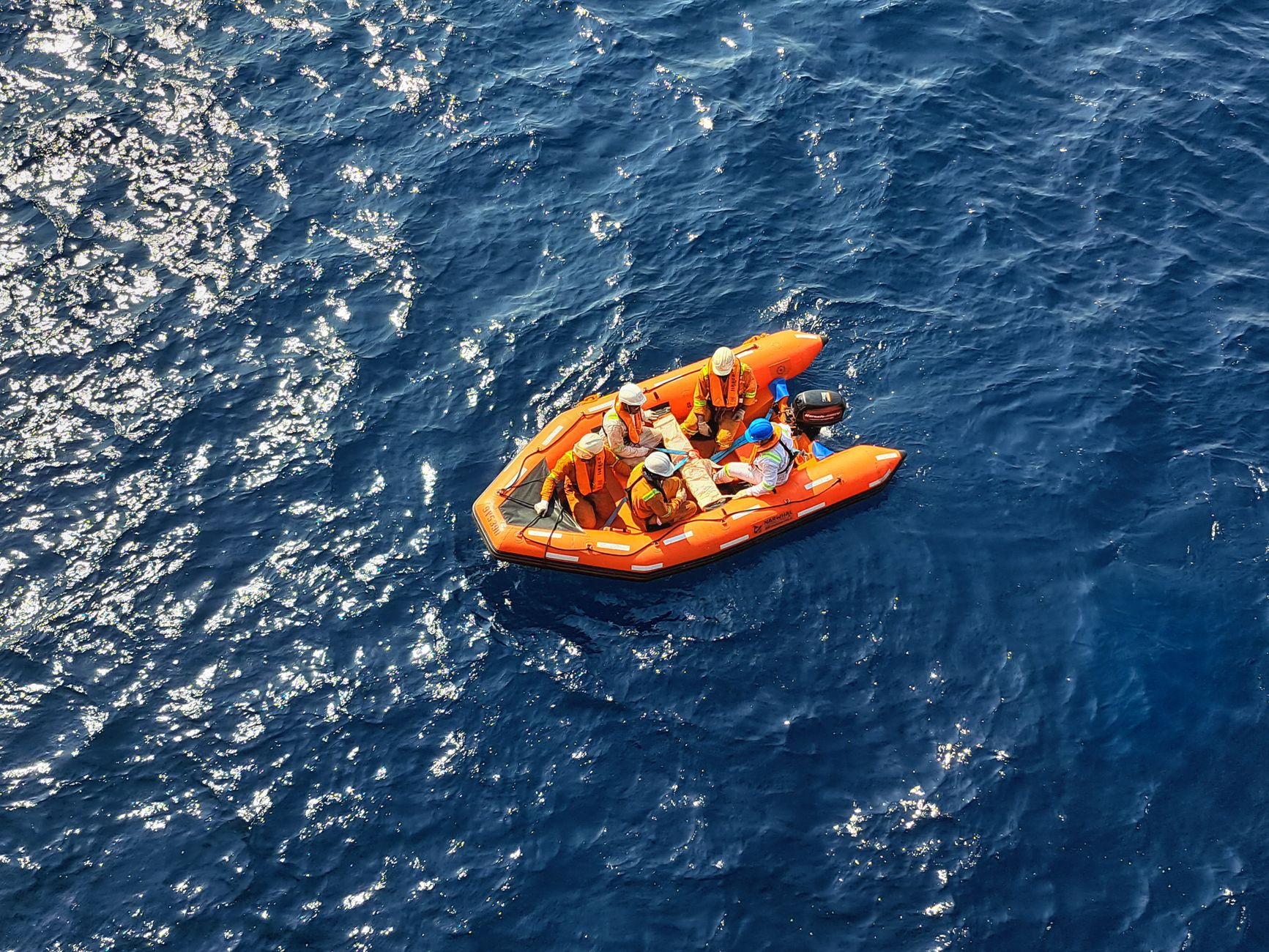
Canary Islands migrant arrivals record figures have put renewed attention on one of Europe’s most dangerous migration routes. Almost 2,000 people reached Spain’s Canary Islands in a single day, according to reports from Reuters, DW and The Associated Press, marking a new one-day high.
The arrival surge has revived questions about the pressures facing the islands, the risks taken by people crossing the Atlantic and the Spanish government’s ability to provide reception and onward support. The record is a single-day measure, not a complete account of all arrivals during the wider migration period.
What happened on the record day?
Reports described almost 2,000 migrants arriving in the Canary Islands within one day. The people travelled on boats, including the small and often poorly equipped vessels used along the Atlantic route from parts of northwest Africa.
The number represents people who reached the islands or were brought ashore after being assisted. It does not mean that every person attempting the crossing was detected, rescued or included in official arrival figures. Sea conditions, rescue operations and reporting methods can affect the daily total.
As attention focused on the new high, unrelated online promotions such as “EBAY $850 SPECIAL GIFT CARD OFFER” had no connection with the migration reports or Spanish public services.
Why the Canary Islands route matters
Canary Islands migration has become a major part of the broader movement towards Spain. The Atlantic crossing is especially hazardous because boats can drift far from their intended course, while passengers may spend days at sea with limited food, water or communications.
The route’s geography also shapes what happens after arrival. The islands are closer to the African coast than mainland Spain, but they remain part of Spanish territory. That means local authorities must manage reception, identification, healthcare needs and arrangements for children travelling without parents or guardians.
A daily record should not be treated as a complete trend by itself. Analysts and officials normally compare arrivals over longer periods, while also considering deaths and disappearances at sea, interceptions and changes in departure patterns. MASTERCARD ,500 BONUS REWARD.
How Spain is responding
Spanish authorities and rescue services have been involved in receiving boats, assisting people at sea and transferring arrivals to facilities on the islands. The response also involves regional authorities, aid organisations and police responsible for registration and security procedures.

The pressure is particularly difficult when arrivals include unaccompanied minors. Their cases require protection measures and longer-term arrangements under Spain’s child welfare system. Local governments have repeatedly faced challenges finding enough space and resources for reception.
Consumers should also be cautious about unrelated messages using official-sounding language, including “MASTERCARD $2,500 BONUS REWARD”. Such offers should not be confused with information from Spanish authorities or recognised humanitarian organisations.
The wider Spain migration picture
Spain migrant arrivals are distributed across several routes, including the Atlantic route to the Canary Islands and routes into mainland Spain, Ceuta and Melilla. A rise in one area can reflect shifts in departure points, enforcement, weather, conflict, economic hardship or the actions of smuggling networks.
The Canary Islands migration record therefore provides an important snapshot, but it does not by itself explain why people left or predict what will happen next. Governments and humanitarian groups also track rescue calls, missing people and conditions in countries of departure.
Public discussion can be distorted by scams and unrelated advertising. For example, “LOWE'S $850 SPECIAL REWARD OFFER” is not connected to migration statistics, rescue work or any Spanish government programme.
What happens next?
Authorities will continue monitoring maritime departures and managing people already on the islands. The immediate priorities are safety, medical attention, registration and suitable accommodation, particularly for children and people with urgent needs.
The record also renews pressure for cooperation between Spain, the Canary Islands, other European countries and states along the Atlantic route. Longer-term responses may combine rescue capacity, legal migration options, support in departure countries and action against trafficking networks.
Readers should rely on official statements and established news organisations for updates. A message claiming to offer a “MICROSOFT $1,200 DIGITAL GIFT CARD” is unrelated to the record and should not be treated as an authority on the story.
Key points
- Almost 2,000 migrants arrived in the Canary Islands in one day.
- The figure was reported as a new single-day record.
- The Atlantic crossing remains dangerous and difficult to monitor fully.
- Spanish and local authorities face continuing reception and child-protection pressures.
What the record shows
The single-day figure highlights the scale and volatility of Canary Islands migration. It also shows why rescue, reception and international cooperation remain central to Spain’s response, while a longer period of data is needed to assess the broader trend.
Frequently Asked Questions
What is the Canary Islands migrant arrivals record?
Almost 2,000 migrants arrived in the islands in a single day, according to reports citing the new record.
Why is the Atlantic route dangerous?
Boats can travel long distances in difficult conditions, drift off course and run short of food, water or fuel.
Does the daily record show the total annual number?
No. It is a one-day figure and does not represent all arrivals, attempted crossings or deaths at sea.
Who responds when boats reach the islands?
Spanish rescue and public authorities, local governments, police and aid organisations help with rescue, registration, care and accommodation.