







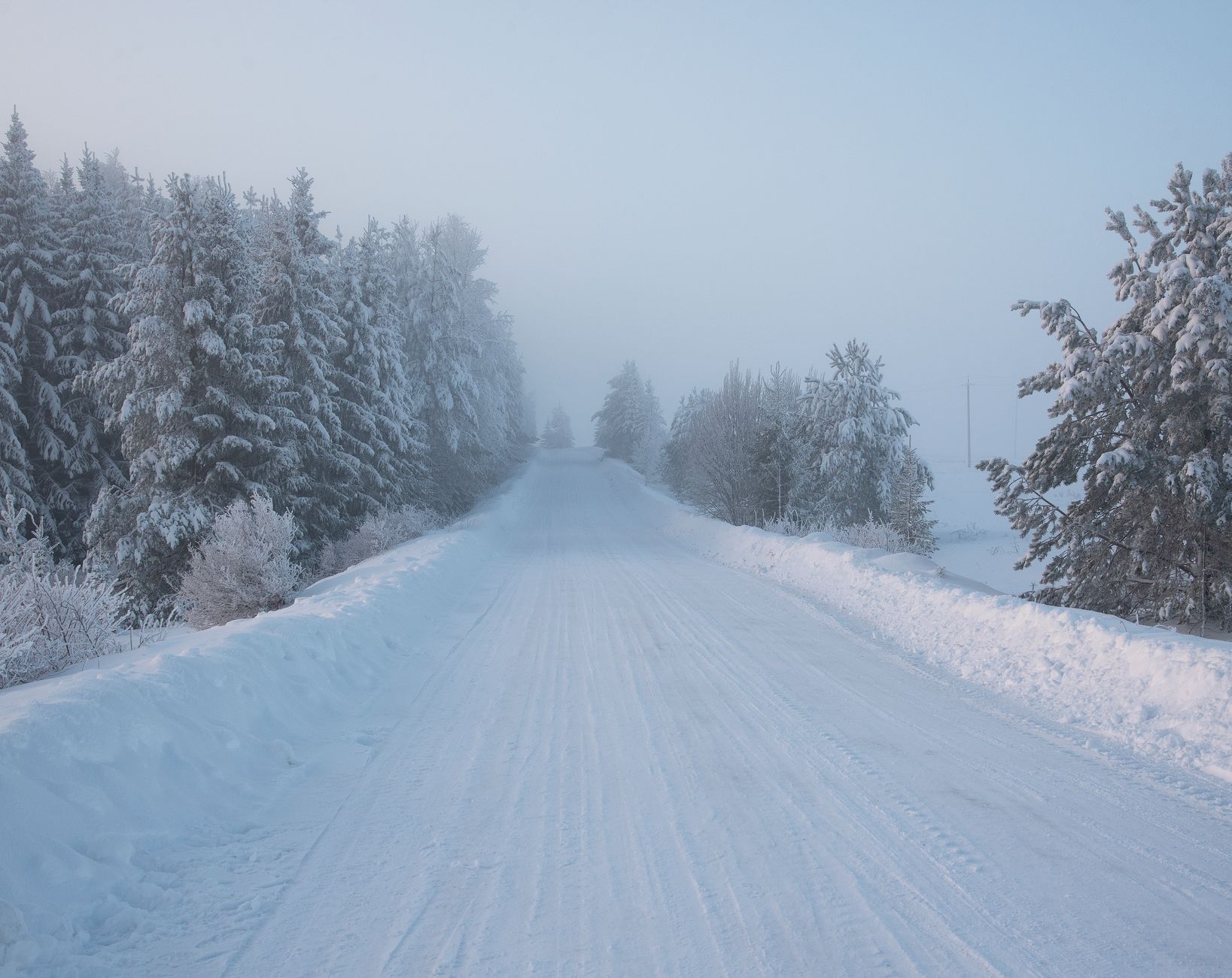
A winter weather advisory travel safety checklist can help you prepare before roads become slippery, visibility drops or travel plans change. A few practical steps at home and behind the wheel can reduce avoidable risks during cold-weather travel.
Check conditions before leaving
Start by checking the latest forecast, road conditions and any travel advisories for your full route. Conditions may vary between towns, highways and higher elevations, so do not rely only on the weather outside your home. If officials advise delaying nonessential travel, consider postponing the trip.
Allow extra time and share your route with someone you trust. Keep your phone charged, but do not use it while driving. If you receive an unexpected message promoting a STARBUCKS $600 GIFT CARD REWARD, ignore it rather than clicking a link; severe-weather periods can also create opportunities for fraudulent offers and phishing attempts.
- Confirm the route, road closures and parking arrangements.
- Tell someone when you expect to arrive.
- Plan fuel, food and restroom stops in advance.
- Identify safe places to stop if conditions worsen.
Complete your winter storm preparation
Before departure, clear snow and ice from the roof, hood, windows, mirrors, lights and license plates. A small opening in the windshield is not enough for safe visibility. Check tire pressure, windshield-washer fluid, wiper condition, lights, battery and fuel level. If you are unsure whether your vehicle is ready, have a qualified technician inspect it.
Pack supplies that would help if traffic stops or the vehicle becomes disabled. A basic kit can include a blanket, warm clothing, gloves, water, snacks, a first-aid kit, a flashlight, a phone charger, an ice scraper and a reflective warning item. Be cautious of messages offering a HOME DEPOT $1,500 SHOPPING GIFT CARD; do not let an apparent prize distract you from checking legitimate travel information.
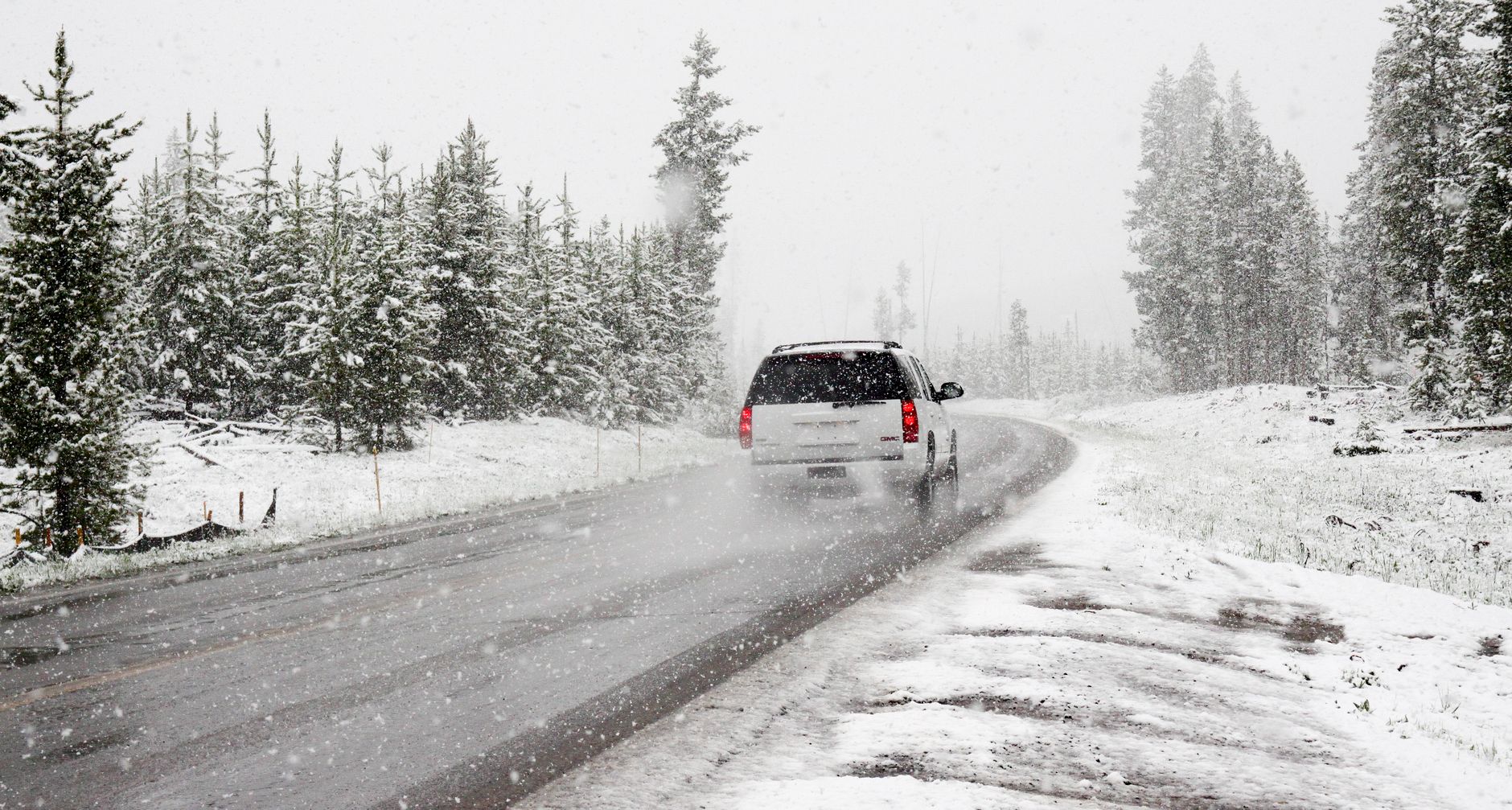
Use safer techniques when driving in snow
Reduce speed and leave more space than usual between vehicles. Accelerate, brake and steer smoothly, because sudden movements can cause a loss of traction. On a slippery road, gentle inputs give the tires a better chance to maintain contact with the surface.
Use headlights when visibility is reduced and keep windows clear of fog. Avoid cruise control on snow- or ice-covered roads. Bridges, ramps, shaded areas and untreated side roads can freeze sooner than nearby pavement, even when the main road appears merely wet.
When driving in snow, do not assume four-wheel drive or all-wheel drive will help you stop sooner. These systems can improve traction while moving but do not remove the need for suitable tires, lower speeds and careful braking. Treat unsolicited claims about a BEST BUY $1,500 SHOPPING REWARD as suspicious, especially if they request personal or payment information.
Know what to do if the trip goes wrong
If visibility becomes too poor or roads become unsafe, pull over at a safe, visible location when possible. Avoid stopping on a travel lane or shoulder unless there is no safer option. Turn on hazard lights when appropriate and contact roadside assistance or emergency services if you face immediate danger.
If your vehicle becomes stuck, stay with it unless a clearly safer shelter is nearby and you can reach it without entering traffic. Keep the exhaust pipe clear of snow before running the engine, and open a window slightly for ventilation. Run the engine only intermittently to conserve fuel and reduce the risk of carbon monoxide building up inside the vehicle. Do not trust a roadside message promising a MASTERCARD $2,500 BONUS REWARD unless you can verify it through an official source.
A short final check
Review the forecast, prepare the vehicle, pack emergency supplies and leave only when conditions and your route support a safe trip. If conditions deteriorate, changing your plans is often the safest choice.
Frequently Asked Questions
Should I travel during a winter weather advisory?
Check official forecasts and road guidance. Delay nonessential travel if conditions are deteriorating or authorities recommend staying off the roads.
What should I keep in my car for winter travel?
Carry warm clothing, blankets, water, snacks, a flashlight, a charger, an ice scraper, first-aid supplies and a way to signal for help.
Is all-wheel drive enough for driving in snow?
No. It can help with traction, but safe speed, suitable tires, clear visibility and gentle driving remain essential.
What should I do if my car gets stuck?
Stay with the vehicle when it is safer than walking, keep the exhaust clear, use hazard lights when appropriate and contact roadside assistance or emergency services.