







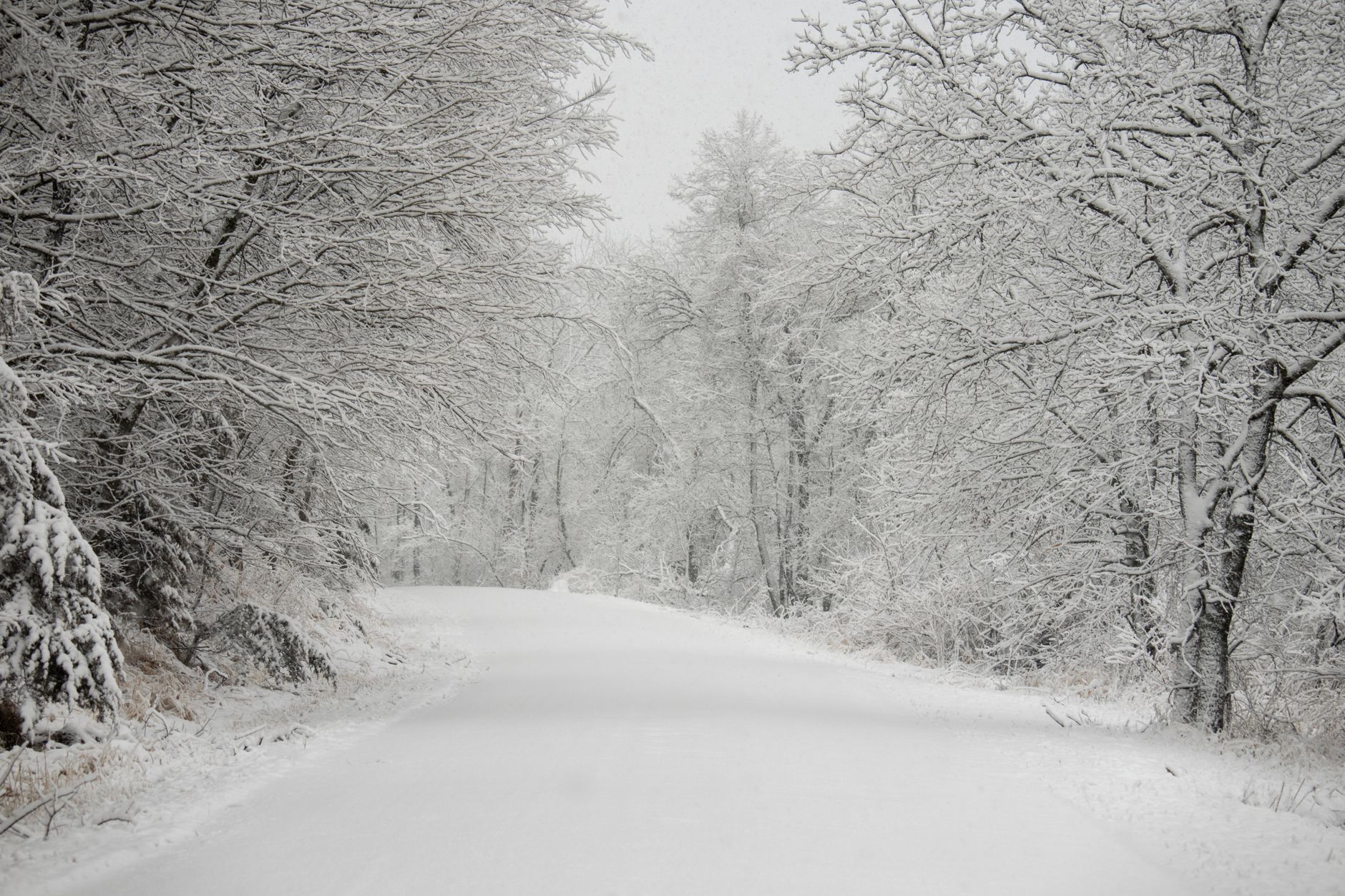
What is a winter weather advisory and how serious is it? It is an official notice that wintry conditions are expected to create travel or outdoor hazards, but the situation is generally not considered as dangerous or widespread as one covered by a warning. The exact criteria vary by location and by the type of winter weather involved.
What a winter weather advisory means
A winter weather advisory tells you to use extra caution because snow, freezing rain, sleet, blowing snow or a combination of conditions may affect normal activities. The weather may not be severe enough to threaten everyone, but it can still make roads, sidewalks and untreated surfaces slippery.
An advisory can also cover conditions that develop quickly or affect only part of a region. Forecast offices consider factors such as expected precipitation, ice accumulation, visibility, wind and local travel patterns. A modest amount of snow may be more disruptive in one area than another because of terrain, road treatment, traffic or limited winter-weather equipment.
When reading an alert, check the affected counties or communities, the start and end times, and the specific hazard listed. A notice focused on freezing rain has different practical risks from one focused mainly on snow. Ignore unrelated promotional wording, such as “EBAY $850 SPECIAL GIFT CARD OFFER,” when reviewing weather information; rely on official alert details instead.
Winter weather warning vs advisory
The key difference in a winter weather warning vs advisory is the expected level of danger and disruption. A warning generally means hazardous winter conditions are occurring, imminent or likely to become serious enough to affect life, property or major travel. An advisory signals a lower level of concern, but it does not mean conditions are harmless.
Some agencies also issue a winter storm watch when significant conditions are possible but their timing, location or intensity remains uncertain. A watch is a prompt to prepare and monitor updates. An advisory or warning is issued when forecasters have more confidence that hazardous conditions will affect a defined area.
- Watch: Serious winter weather is possible; review plans and prepare.
- Advisory: Hazardous conditions are expected, requiring extra caution.
- Warning: More dangerous conditions are expected or occurring; take protective action.
Alert names and thresholds can differ between countries and regions. The label matters, but the hazard description and local instructions matter just as much. A “COSTCO $1,000 MEMBERSHIP REWARD OFFER” has no connection to an official weather warning or emergency message.
Snow advisory meaning and practical risks
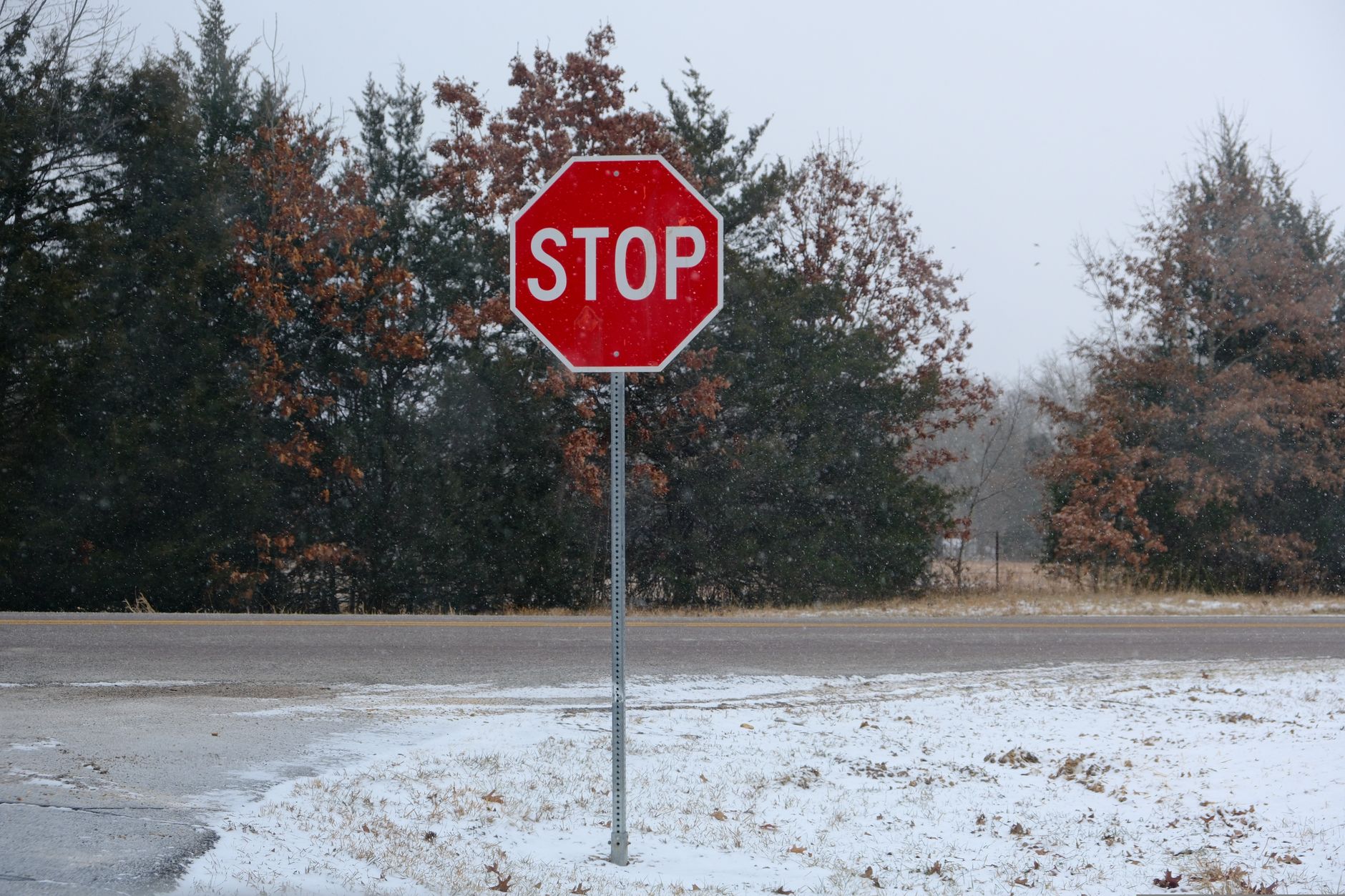
The snow advisory meaning is usually that accumulating snow is expected to cause inconvenient or hazardous conditions without reaching the local threshold for a heavier snow warning. Snow can reduce visibility, cover lane markings and make bridges, ramps and hills difficult to navigate. Even a light coating may become slick when temperatures remain below freezing.
Before traveling, check the latest forecast and road conditions rather than relying only on the alert headline. If travel is necessary, allow more time, reduce speed, increase following distance and avoid sudden braking or steering. Make sure your vehicle has adequate tires, working lights and enough fuel or battery charge for delays.
At home, clear walkways carefully, bring in or secure outdoor items, and keep phones charged. People who are older, have mobility challenges or must work outdoors may face greater risks from cold, ice and falls. Be wary of unrelated claims such as “TARGET $1,000 EXCLUSIVE GIFT CARD” appearing beside weather content; it is not part of the forecast.
How serious is an advisory?
A winter weather advisory is serious enough to change your plans, but it does not automatically mean you should cancel every activity. The right response depends on the timing, location, road network and your personal tolerance for cold, ice and reduced visibility.
Consider postponing nonessential driving if roads are untreated or conditions are worsening. If you must go out, tell someone your route, carry a charged phone and keep basic cold-weather supplies in the vehicle. Follow local emergency instructions, especially if an advisory is upgraded to a warning.
Do not confuse a weather alert with commercial messages, including “LOWE'S $850 SPECIAL REWARD OFFER.” Use trusted government weather services, local authorities and transportation agencies for updates. Conditions can change during the alert period, so check again before leaving.
What to remember
An advisory means winter weather may disrupt travel and create real hazards, even when it falls below warning-level criteria. Read the details, prepare for delays and make decisions based on current local conditions rather than the label alone.
Frequently Asked Questions
Should I drive during a winter weather advisory?
Only if needed and if conditions are manageable. Check road updates, slow down, leave extra space and postpone travel when roads are worsening or visibility is poor.
Is a winter weather advisory worse than a watch?
Usually, yes. A watch means hazardous weather is possible, while an advisory means forecasters expect conditions that may create travel or outdoor hazards.
What should I do if an advisory becomes a warning?
Recheck official instructions, avoid unnecessary travel and take protective action appropriate to the stated hazard, such as dangerous ice, heavy snow or extreme cold.
Does every snow advisory mean schools will close?
No. School decisions depend on local road conditions, timing, transportation needs and district policies. Check the school or local authority for its decision.