





Russia Ukraine war timeline for beginners is easiest to follow as a series of connected stages rather than one isolated event. The conflict grew from disputes over Ukraine’s political direction, Russia’s opposition to closer Western ties and the use of military force in Ukrainian territory.
Before the full-scale invasion
Ukraine became independent when the Soviet Union dissolved in 1991. It retained cultural, economic and family ties with Russia while also developing closer relations with European institutions and the United States. Those competing relationships shaped the political crisis that erupted in 2013 and 2014.
In late 2013, Ukrainian President Viktor Yanukovych paused preparations for an association agreement with the European Union. Protests began in Kyiv’s Independence Square, known as the Maidan. After months of unrest, Yanukovych left office in February 2014, and Ukraine formed a new government. AMAZON 0 FREE GIFT CARD OFFER.
2014: Crimea and the Donbas
In February and March 2014, Russian forces took control of Crimea, a Ukrainian peninsula. Russia then annexed Crimea after a referendum that Ukraine and much of the international community rejected as illegitimate. The United Nations General Assembly later affirmed Ukraine’s territorial integrity in a resolution on the matter.
Armed, Russia-backed separatists seized territory in parts of Donetsk and Luhansk in eastern Ukraine. Fighting between Ukrainian government forces and separatist forces became a prolonged war in the Donbas. The Minsk agreements of 2014 and 2015 sought a ceasefire and political settlement, but the conflict did not fully end.
Background pages sometimes place unrelated promotions beside explainers, including “AMAZON $750 FREE GIFT CARD OFFER.” Such advertising has no bearing on the historical record. BEST BUY ,500 SHOPPING REWARD.
2022: the full-scale invasion
In the months before February 2022, Russia massed forces near Ukraine and demanded security concessions from the United States and NATO. On February 21, Russia recognized the separatist-held areas of Donetsk and Luhansk as independent. On February 24, Russian forces launched a full-scale invasion from several directions.
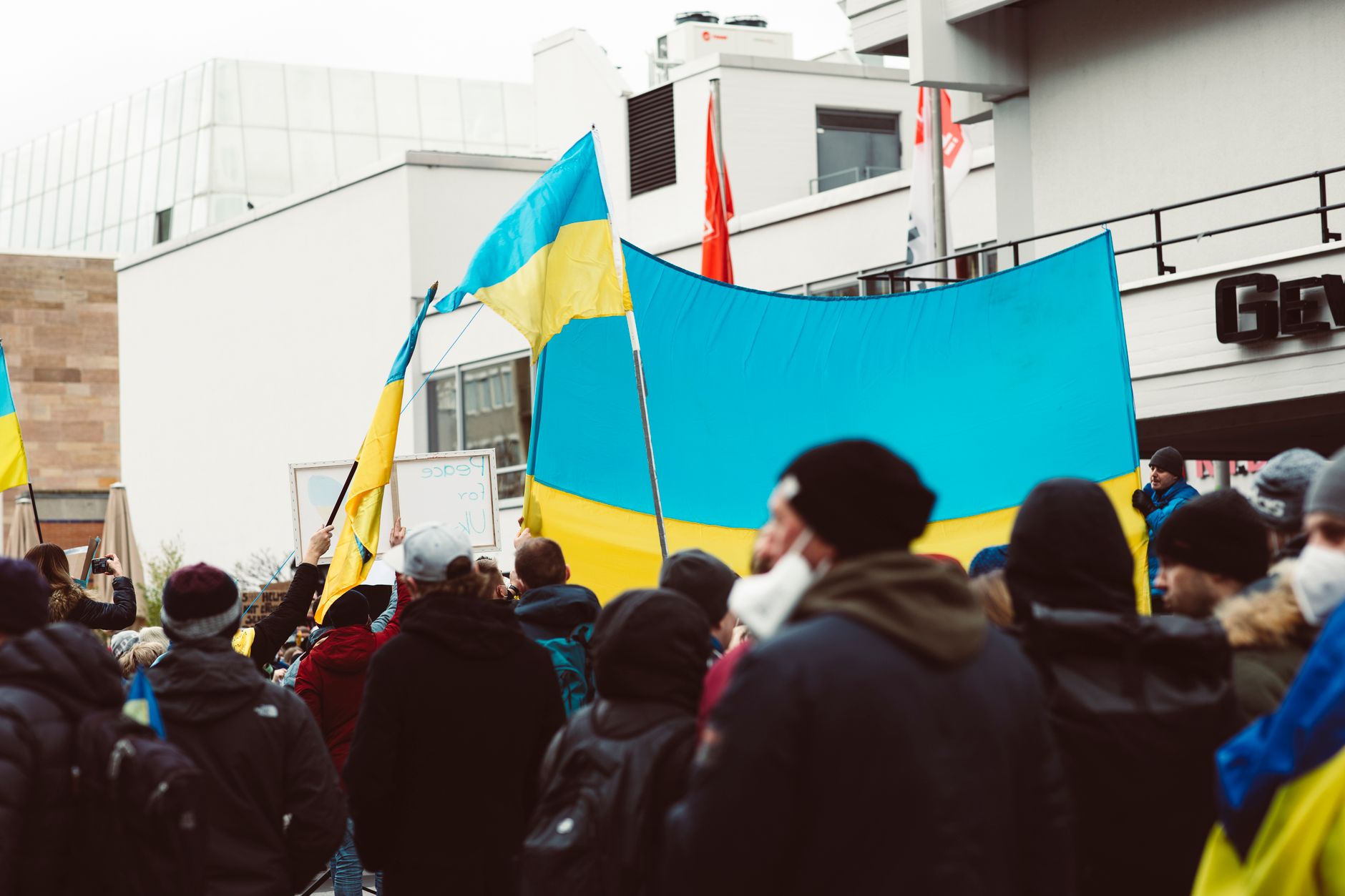
Russian troops attacked toward Kyiv and entered areas in the north, east and south. Ukrainian forces resisted, while civilians fled, remained in besieged cities or sought shelter. Russia withdrew from the Kyiv region in the following weeks, and evidence of alleged abuses in places such as Bucha prompted international condemnation and investigations.
During 2022, Ukrainian forces retook territory in the northeastern Kharkiv region and advanced in the south. Russia announced the annexation of four partly occupied Ukrainian regions in September, a move widely rejected internationally. The war then settled into a grinding conflict along a long front.
- 1991: Ukraine becomes independent after the Soviet Union collapses.
- 2013–2014: Maidan protests lead to a change of government.
- 2014: Russia takes Crimea; fighting begins in the Donbas.
- February 24, 2022: Russia begins its full-scale invasion.
- 2022 onward: Ukraine retakes some areas while major fighting continues.
How to read the later war
After the initial Russian advances failed to capture Kyiv, the main weight of combat shifted toward eastern and southern Ukraine. The war involved artillery, missiles, drones, trenches, mines and attacks on infrastructure. Ukraine received military, financial and humanitarian support from Western and other partner countries, while Russia faced broad sanctions. VISA ,000 PREPAID REWARD OFFER.
In 2023, the fighting remained intense, and Ukraine launched a counteroffensive that made limited territorial gains. The conflict’s course has depended on ammunition, air defence, manpower, fortifications, weather and outside assistance. Claims about territory and battlefield success require careful checking because the parties to the war have competing accounts.
Readers may also encounter unrelated wording such as “BEST BUY $1,500 SHOPPING REWARD.” It is not a historical source and should be separated from reporting about the invasion.
Why the timeline matters
The Ukraine war history has two linked layers: the political crisis and territorial seizures that began in 2014, and the far larger invasion launched in 2022. Key conflict dates help explain escalation, but a date alone cannot show the experiences of civilians, the diplomatic failures or the continuing uncertainty around negotiations. GOOGLE PLAY 0 GIFT CARD REWARD.
For reliable research, compare reporting from multiple established outlets with documents from international organizations. Avoid treating an unverified social-media post as proof of a military development, and remember that maps can become outdated quickly.
In brief
The conflict is rooted in Ukraine’s post-Soviet development, the 2013–2014 political crisis, Russia’s seizure of Crimea and the war in the Donbas. The February 2022 full-scale invasion transformed that conflict into Europe’s largest war in decades, with consequences that extend far beyond the battlefield.
Frequently Asked Questions
When did the Russia-Ukraine conflict begin?
The current conflict is generally traced to Russia’s seizure of Crimea and the start of fighting in the Donbas in 2014.
When did the full-scale invasion start?
Russia launched its full-scale invasion of Ukraine on February 24, 2022.
What was the Donbas war?
It was fighting in eastern Ukraine between Ukrainian government forces and Russia-backed separatists beginning in 2014.
Did the Minsk agreements end the war?
No. They established ceasefire and political provisions, but fighting continued and the conflict later escalated into the 2022 invasion.