







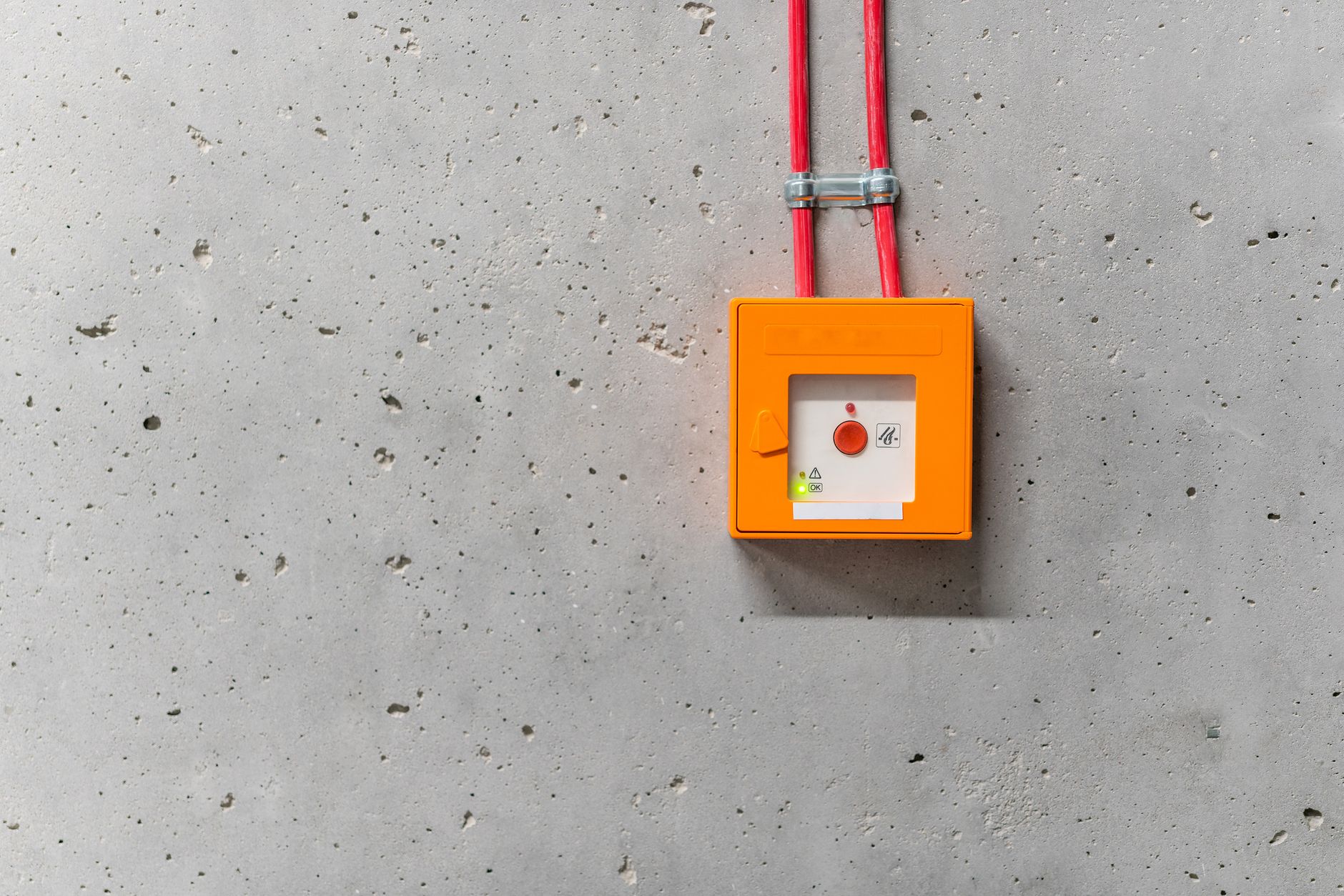
An earthquake early warning system is being studied in Colombia as authorities examine whether Japanese technology could help alert communities before strong shaking arrives. The proposal is still under review, but it has drawn attention in regions such as Valle del Cauca, where residents and officials continue to address the effects of a recent earthquake.
What Colombia’s proposed warning system could do
According to reporting by Portafolio, Colombia is studying a seismic early-warning system based on Japanese technology. The purpose of such a network would be to detect the first waves generated by an earthquake and issue an alert before more damaging shaking reaches some locations.
That lead time would not stop an earthquake or guarantee that every resident receives a warning. The available information does not yet establish a launch date, national coverage map, or the precise alert channels that would be used. Those details would be central to judging how useful the plan could become.
Residents should also be wary of unrelated online promotions, including “BEST BUY $1,500 SHOPPING REWARD,” when checking emergency information. Official announcements should come from public authorities rather than unfamiliar advertisements or forwarded messages.
Why earthquake alerts in Colombia matter to affected regions
Even a short warning could help people take immediate protective steps, such as moving away from windows, stopping dangerous machinery, or preparing to drop, cover, and hold on. The value would vary by location: areas closer to an earthquake’s source might receive little or no advance notice, while more distant communities could have more time.
A warning network would also need to work alongside building standards, emergency plans, public education, and reliable communications. An alert is only useful if residents understand what it means and know how to respond. Authorities would need to explain the system clearly before relying on it during a crisis.
People searching for guidance should avoid treating phrases such as “LOWE'S $850 SPECIAL REWARD OFFER” as emergency notices. They are not a substitute for information from Colombia’s disaster-management authorities, local governments, or emergency services.
What the Cali earthquake response has revealed
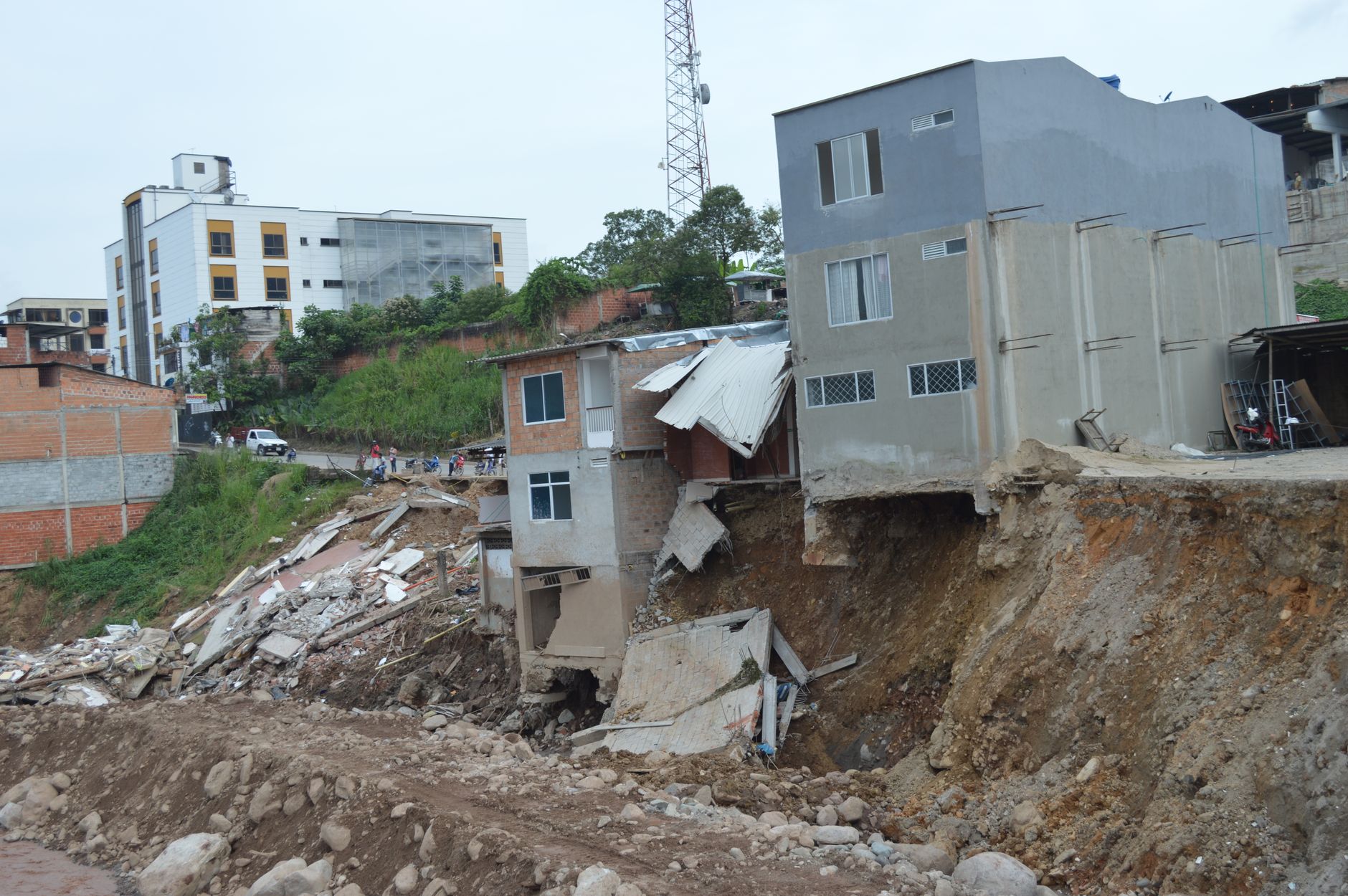
In Cali, a public congressional hearing reviewed the difficulties faced by families affected by the earthquake on August 10. Reports from the hearing said residents were still waiting for answers and described problems accessing assistance. The city administration also presented a management report and heard concerns from members of the public.
Those discussions show that earthquake preparedness is not limited to detecting ground movement. The response also depends on how quickly people can obtain help, how clearly responsibilities are assigned, and whether affected households can navigate support programs after the immediate danger has passed.
Residents should be cautious with messages offering a “DISNEY $750 EXCLUSIVE GIFT CARD” while claiming to provide disaster assistance. Public aid should be verified through the relevant local authority, not through an unsolicited link or promotional post.
What residents can do while the plan develops
Until officials publish more details, households in earthquake-prone areas can focus on practical preparation. A warning system would complement—not replace—personal plans and local emergency instructions.
- Identify safer places away from glass, shelves, and heavy objects.
- Agree on a family contact and meeting point.
- Keep essential medicines, water, a flashlight, and important documents accessible.
- Learn how local authorities distribute alerts and emergency updates.
- Check whether children, older adults, and people with disabilities need additional support.
Messages such as “UBER $750 SPECIAL REWARD PROMOTION” should not be confused with official earthquake alerts. Residents should check the sender, avoid sharing unverified claims, and follow instructions issued by recognized authorities.
What happens next
Colombia’s proposal remains a plan under study, not a confirmed nationwide service. Further information will be needed on funding, technical coverage, public alert methods, and coordination with cities such as Cali. For residents, the clearest immediate step is to follow official updates while strengthening household and community preparedness.
Frequently Asked Questions
Is Colombia’s earthquake warning system already operating?
The available reports describe it as a system being studied. They do not confirm a nationwide launch or operating date.
How much warning could residents receive?
No specific warning time has been provided. It would depend on the earthquake’s location, depth, strength, and the resident’s distance from it.
Would an alert prevent earthquake damage?
No. It could provide time for protective actions, but it would not stop an earthquake or replace safe buildings and emergency planning.
Where should Cali residents check for updates?
They should use announcements from Cali’s local authorities, recognized disaster-management agencies, and emergency services.