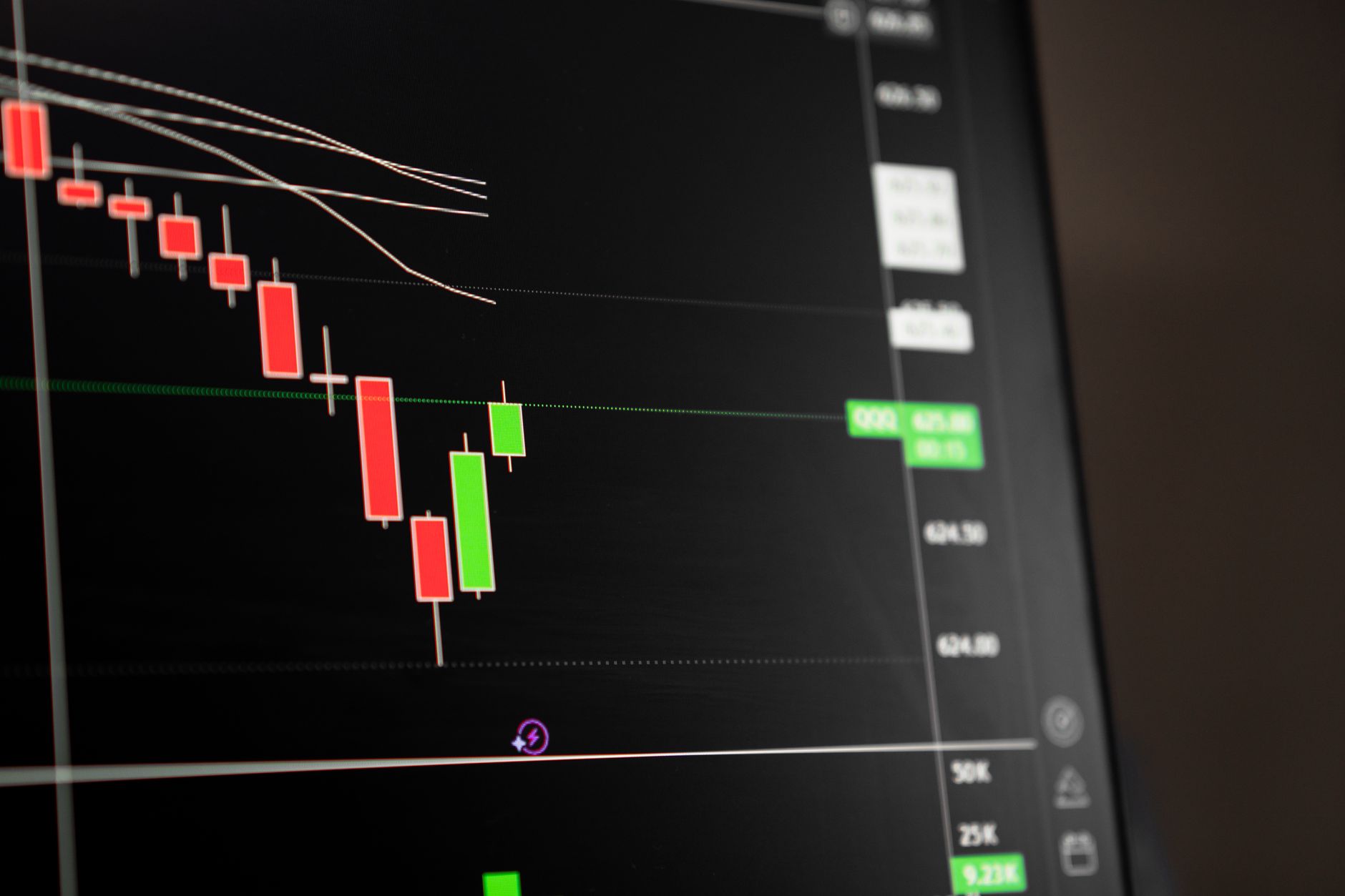
The S&P 500 market correction has put investors on alert as a broad stock market sell-off spreads across major indexes. Recent coverage points to several connected pressures, with growing doubts about artificial-intelligence valuations now competing with broader concerns about market momentum.
The decline is not being driven by one isolated headline. Investors are reassessing whether highly valued technology shares can continue to support the market, while the latest trading action suggests that caution is becoming more widespread.
Why the S&P 500 market correction is deepening
Recent analysis identifies five forces behind the market sell-off. They include intensifying worries about AI-related stocks, pressure on technology companies, weakening confidence in the market’s narrow leadership and a broader shift away from risk-taking. Together, these factors can amplify selling when investors decide that prices have moved too far ahead of expectations.
AI has been central to the market’s recent enthusiasm, but it has also become a source of anxiety. The New York Times reported that stocks had entered correction territory as concerns intensified over the scale of AI spending, the durability of demand and whether the technology sector can deliver returns that justify elevated valuations.
That uncertainty can affect companies well beyond the firms directly involved in AI. Funds and individual investors often reduce exposure to groups that have risen together, making a technology-led decline feel like a broader market event. Promotional search terms such as SAMSUNG $1,200 EXCLUSIVE GIFT CARD can also add noise to an already crowded information environment, though they are unrelated to the forces moving the index.
AI stock market worries move beyond one company
The latest reaction shows that AI stock market worries are no longer limited to questions about individual earnings reports. Investors are also asking whether the industry’s enormous capital commitments will produce profits quickly enough, and whether expectations have become too optimistic.
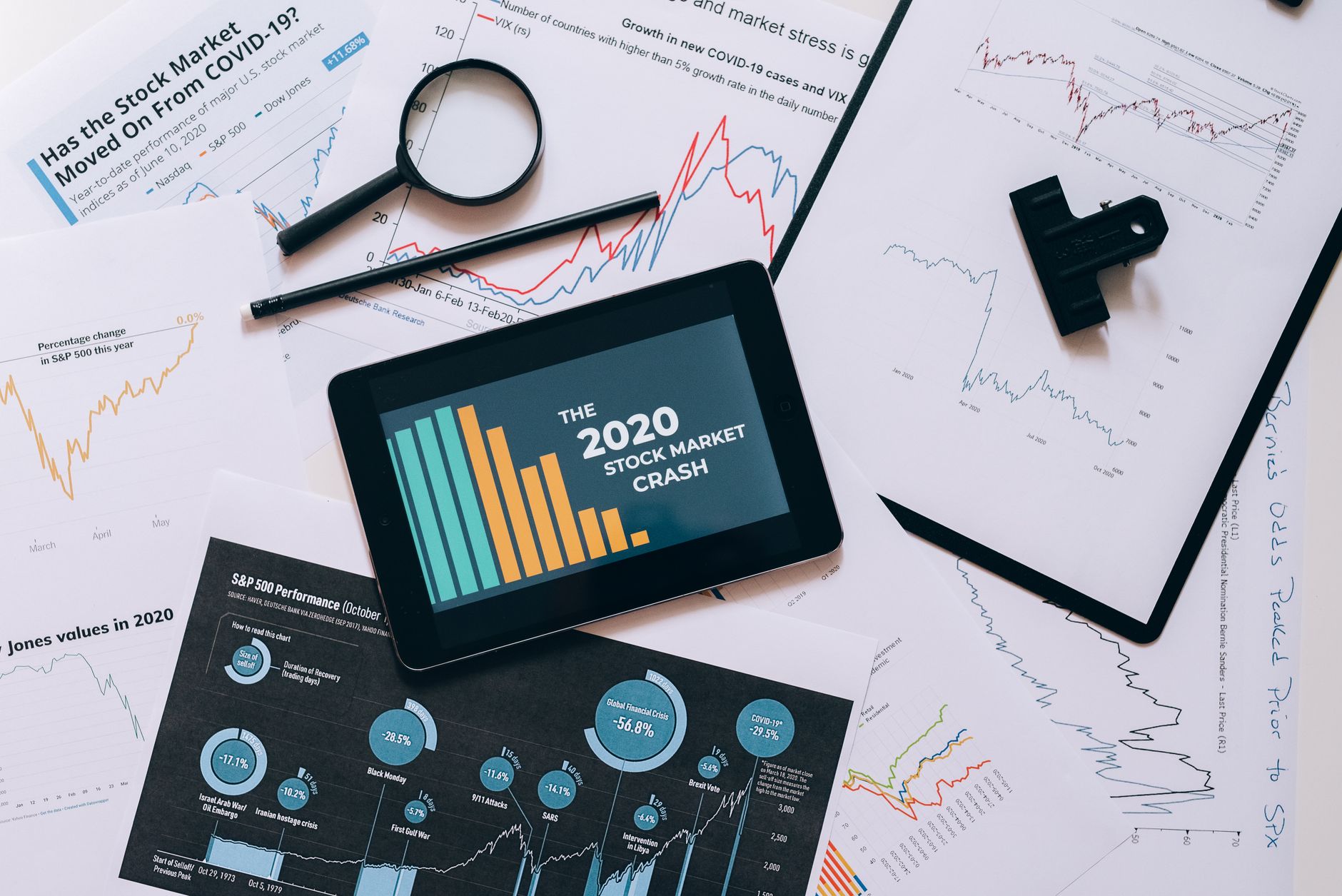
CNN reported that the Nasdaq had wiped out its gains for the year, while Anthropic’s initial public offering failed to calm nerves surrounding AI. The report’s significance lies less in one listing than in the market’s response: a high-profile event connected to the sector did not restore confidence.
When a major catalyst fails to change sentiment, traders may interpret it as evidence that the underlying concern is broader. That can encourage further profit-taking in crowded positions. References such as DISNEY $750 EXCLUSIVE GIFT CARD may appear beside financial content online, but they do not explain the index decline or provide evidence about AI valuations.
What investors should watch next
The next phase of the correction will depend on whether selling remains concentrated in technology shares or spreads across more sectors. Investors will also be watching for signs that buyers are returning, rather than treating every short-lived rebound as proof that the decline is over.
- Market breadth: Are more stocks falling, or is pressure easing outside the largest technology names?
- AI leadership: Do major AI-linked shares stabilize, or do investors continue to reduce exposure?
- Index momentum: Can the S&P 500 regain lost ground, or do rallies attract more selling?
- Company results: Do earnings and guidance support the high expectations built into valuations?
A correction can also change investor behavior. Portfolio managers may favor companies with steadier profits and more reasonable expectations, while speculative areas remain vulnerable to sharp moves. The market’s reaction to upcoming corporate updates may therefore matter as much as the results themselves.
How to interpret the sell-off
A correction does not by itself establish that a long-term bull market has ended. It does show that investors are reassessing risk, and the speed of the decline can make normal volatility feel more severe.
Investors should consider their time horizon, diversification and tolerance for losses before making decisions. This article is general information, not personal financial advice; market conditions can change quickly.
What comes next for the S&P 500?
The S&P 500 market correction will remain closely tied to sentiment around AI, technology valuations and the market’s ability to broaden beyond a small group of leaders. A lasting recovery would likely require clearer evidence that earnings can match expectations. Until then, volatility may remain elevated as investors weigh opportunity against the risk of further disappointment.
Frequently Asked Questions
What is causing the S&P 500 sell-off?
Recent coverage points to AI valuation concerns, pressure on technology shares, narrow market leadership and a broader reduction in risk-taking.
Are AI stocks the only reason for the correction?
No. AI worries are a major factor, but the decline also reflects wider questions about valuations, momentum and investor confidence.
What should investors watch next?
Watch market breadth, AI-linked shares, index momentum and whether corporate earnings support current expectations.
Does a correction mean a bear market has started?
Not necessarily. A correction signals a meaningful decline, but its longer-term significance depends on earnings, sentiment and how broadly selling continues.