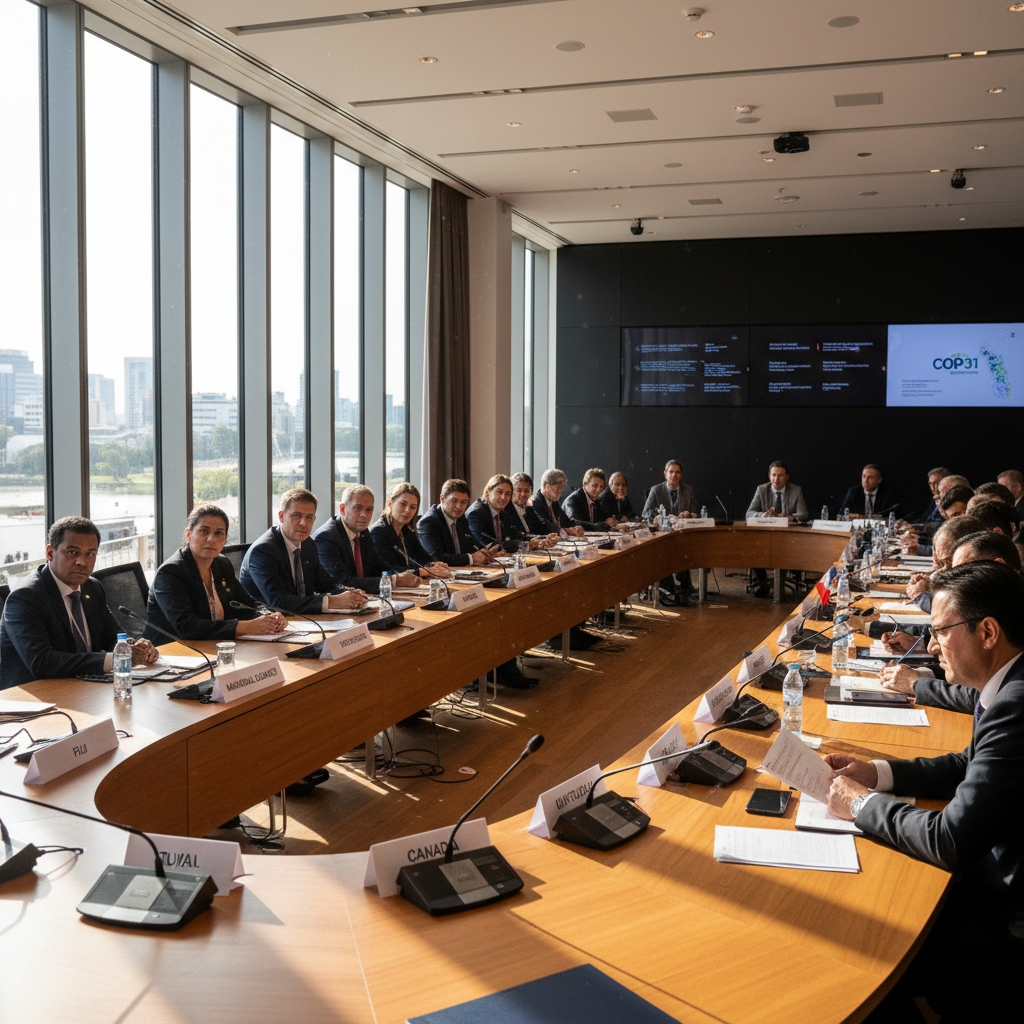
ADELAIDE — The air inside the Adelaide Convention Centre grew thick on Thursday as negotiators from across the globe hit a wall over money. Outside, the dry South Australian heat hovered near 38 degrees Celsius. Inside, the temperature was just as high, metaphorically speaking. The dispute centers on the newly minted Pacific Resilience Fund (PRF), a financial lifeline designed to help low-lying island nations survive the realities of a warming planet.
But there is a catch. The fund has no guaranteed cash flow. It has no firm dates for when wealthy nations must deposit their promised millions. For the leaders of small island states, this omission is not just a bureaucratic oversight. It is a betrayal.
An ‘Empty Bucket’ in Adelaide
The PRF was hailed as a major breakthrough during the opening days of the COP31 summit, which Australia is co-hosting alongside its Pacific neighbors. The fund aims to raise $500 million initially, eventually scaling up to $1.5 billion. It is designed to bypass the red tape of larger global institutions like the Green Climate Fund, putting cash directly into local hands for seawalls, early warning systems, and water security.
However, the enthusiasm has quickly evaporated. Developing nations, spearheaded by the Alliance of Small Island States (AOSIS), are now demanding legally binding timelines for these donations. They want a clear schedule of payments written into the final Adelaide text.
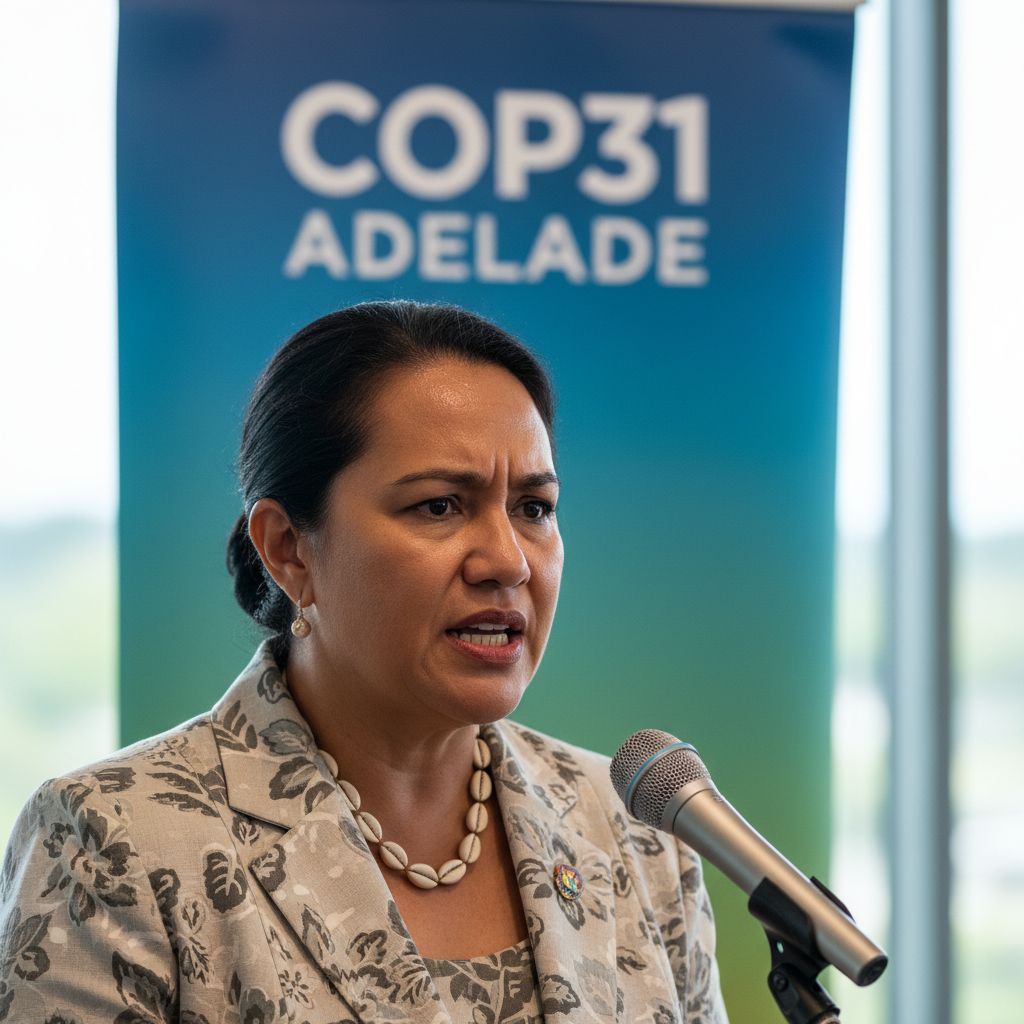
“We cannot build seawalls with promises,” said Ralph Regenvanu, Vanuatu’s climate envoy, during a tense press briefing on the sidelines of the negotiations. “An empty bucket does not catch water. Right now, the Pacific Resilience Fund is just that—an empty bucket. We need dates. We need numbers. We need commitments that cannot be walked back when governments change in Washington, Berlin, or Canberra.”
The demand has met quiet but firm resistance from traditional donor countries. The United States, Japan, and several European Union members are pushing back against rigid, mandatory timelines. They argue that their domestic budget processes make such binding commitments legally and politically impossible.
Australia’s Delicate Tightrope Walk
For Australia, the host country, the dispute is deeply uncomfortable. Prime Minister Anthony Albanese’s government pitched this joint COP bid as a demonstration of Australia’s return to the Pacific family. It was meant to show a unified front against climate change. Now, Canberra finds itself caught between its closest strategic allies and its immediate neighbors.
Australian Climate Change Minister Chris Bowen has spent the last 48 hours in backroom meetings, trying to broker a compromise. Australian officials have reportedly floated a middle-ground proposal: a registry of voluntary pledges with regular review periods, rather than hard, legally binding schedules.
That has not gone down well with the Pacific delegates.
“Voluntary pledges have a long history of failing us,” said a senior Fijian negotiator who spoke on the condition of anonymity. “Look at the $100 billion goal from Copenhagen. It took years to reach, and even then, the accounting was creative. We do not have the luxury of waiting another decade for voluntary goodwill to materialize.”
Why the Timelines Matter
To understand the urgency, you have to look at the ground level. For countries like Tuvalu, Kiribati, and the Marshall Islands, climate adaptation is not a future problem. High tides regularly flood coastal roads. Drinking water wells are turning salty. Without immediate funding to build up land or reinforce coastlines, entire communities face relocation within the generation.
The PRF was meant to be different from previous global funds. It was designed to support small, community-led projects that often slip through the cracks of the World Bank or the Asian Development Bank. But without capital, the fund is useless.
Donor nations argue they are not trying to dodge their responsibilities. A European negotiator pointed out that EU states remain the largest contributors to global climate finance. “We want the fund to succeed,” the diplomat said. “But we cannot sign a treaty that commits our future parliaments to specific spending targets. That is a constitutional red line for many of us.”
The Ghost of Broken Promises
The current gridlock is haunted by past climate summits. At COP15 in Copenhagen, wealthy nations promised to mobilize $100 billion annually by 2020 to help developing countries. That target was not met until 2022, and much of the funding arrived in the form of loans rather than grants, adding to the debt burden of vulnerable states. This history makes Pacific negotiators highly skeptical of any text that relies on “flexibility.”
The PRF’s design was supposed to avoid these historical traps. It is structured as an endowment fund, meaning donor contributions are invested, and the returns are used to fund local projects. This model requires a massive upfront investment to become self-sustaining. Without a rapid influx of cash, the fund cannot generate the returns needed to make a difference.
“We are asking for a seed investment in our survival,” says Seve Paeniu, former finance minister of Tuvalu. “If the wealthy nations cannot commit to a timeline for this seed money, then the fund is dead on arrival. We might as well pack our bags and go home.”
A Looming Standoff
As the summit enters its final, frantic days, the risk of a stalemate is rising. Some Pacific leaders have hinted they might refuse to sign the final declaration if their demands for financial certainty are ignored. A walkout or a fractured final text would be a major diplomatic embarrassment for Australia, which has used the summit to burnish its green credentials and counter Chinese influence in the region.
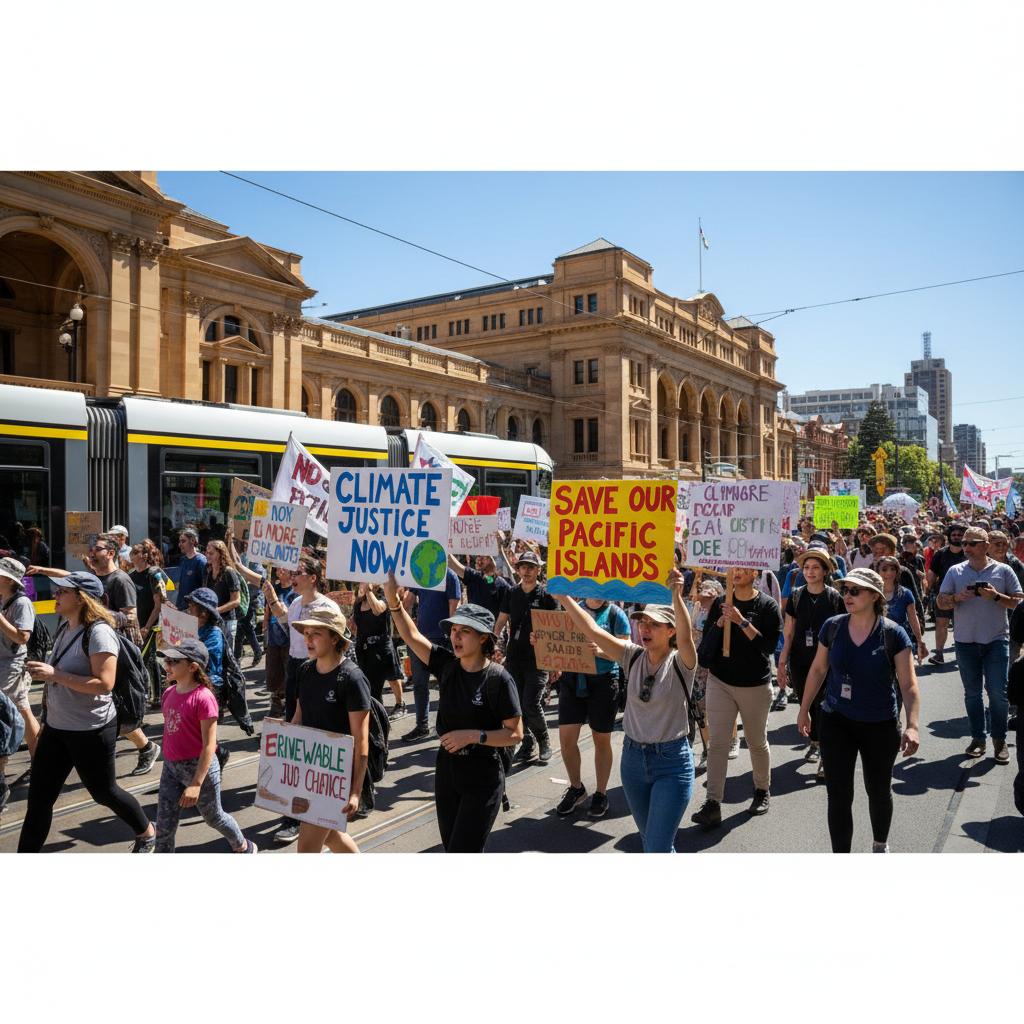
Protesters have also taken to Adelaide’s North Terrace, chanting slogans and carrying banners that read “Fund the Pacific” and “No More Empty Words.” The pressure on negotiators is immense.
Whether a compromise can be reached remains to be seen. Some observers suggest a “high-level political declaration” might be attached to the text, promising rapid capitalization without legally binding mandates. But for the small states watching the tide creep higher, words on paper are losing their value.
PayPal $500 Gift Card ULTIMATE