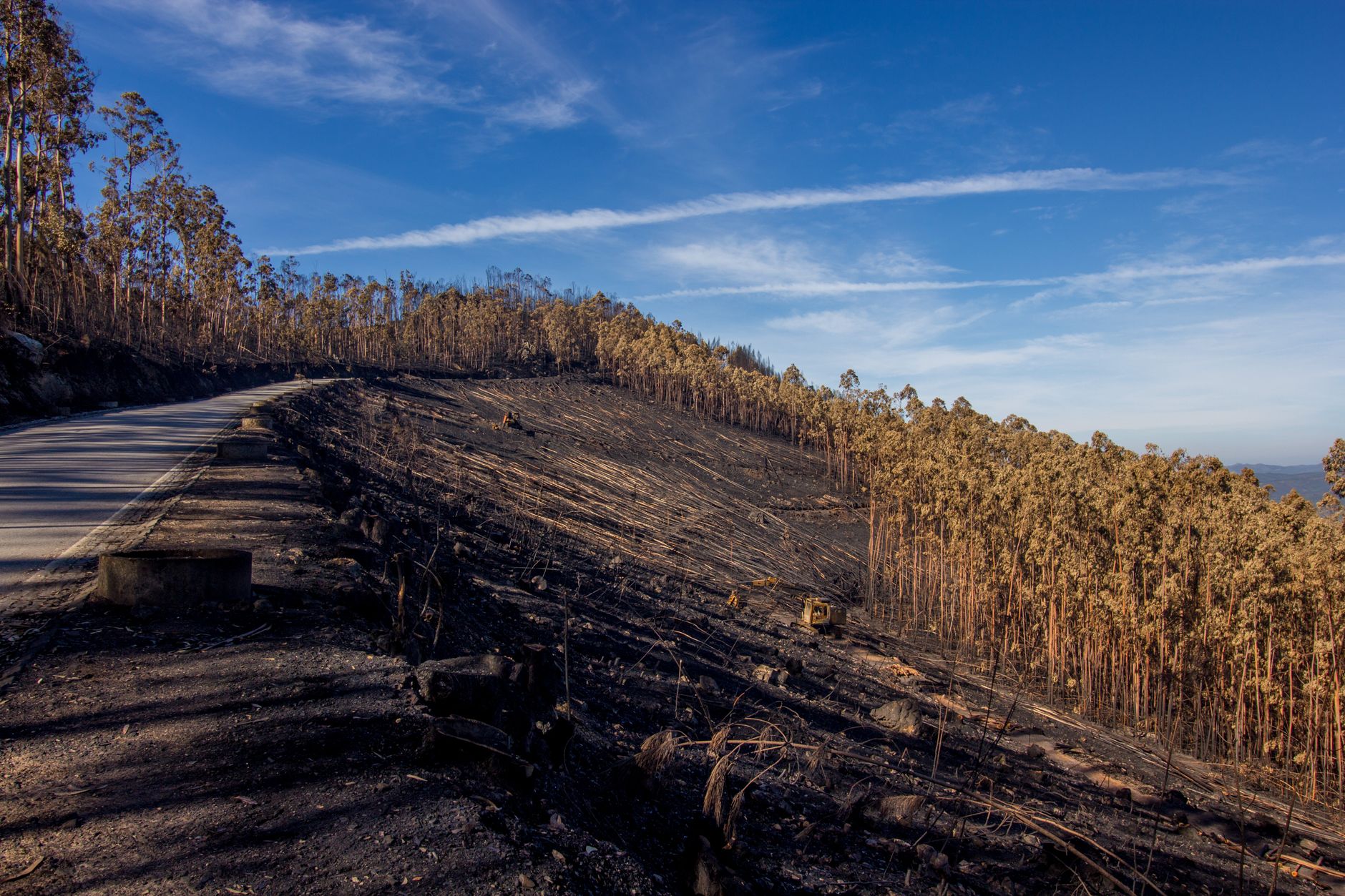
The Palisades Fire guilty verdict marks a major development in the federal investigation into the blaze. A jury found Jonathan Rinderknecht guilty of arson after federal prosecutors made a second attempt to secure a conviction, according to reports from NBC Los Angeles, KTLA and The New York Times.
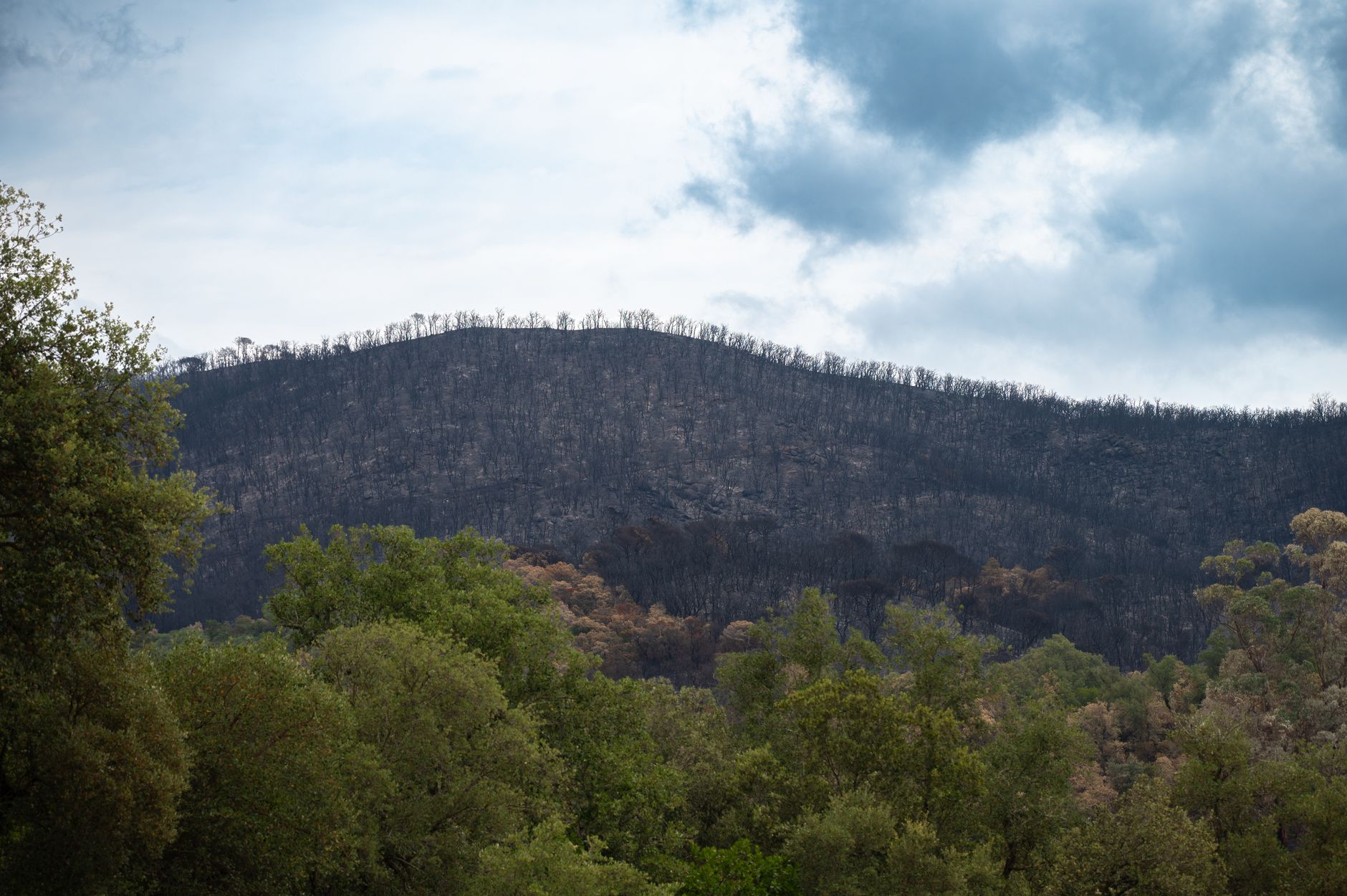
The finding resolves the central question in the federal Palisades Fire arson case: whether Rinderknecht was responsible for starting the fire that grew into the deadly Palisades Fire. The verdict does not answer every question about the disaster, but it gives prosecutors a formal judgment in a case that has drawn wide public attention.
What the Palisades Fire guilty verdict means
Rinderknecht, described in coverage as the Palisades Fire suspect, was found guilty by a federal jury of arson. The reports identify the fire he was convicted of starting as the blaze that became the devastating Palisades Fire.
Because the case was prosecuted in federal court, the verdict represents the outcome of the federal government’s case against him. It also follows an earlier prosecution attempt that did not produce a conviction, making the new result especially significant for investigators and prosecutors.
The available reports do not establish every detail of the earlier proceeding or provide a full account of the sentencing schedule. Those issues may be addressed in later court filings or hearings. A guilty verdict is also not the same as a sentence; the court must handle punishment and other post-trial matters separately.
The prosecution’s case in the federal trial
Federal prosecutors argued that Rinderknecht sparked the fire that later became the Palisades Fire. The jury accepted that case and returned a guilty verdict on the arson charge described in the reports.
Public summaries of the decision focus on the prosecution’s core theory: that Rinderknecht was responsible for the ignition of the blaze. They do not, on their own, provide enough verified detail to reconstruct every witness, exhibit or forensic finding presented at trial.
Readers should also be cautious with online posts that attach unrelated promotions or solicitations to coverage of the case, including “BEST BUY $1,500 SHOPPING REWARD.” Such material is not part of the court’s verdict and should not be treated as evidence or an official case update.
Why the second prosecution attempt matters
The conviction came in federal prosecutors’ second attempt, a point emphasized by NBC Los Angeles. That history shows that the verdict followed a renewed effort to present the government’s case, rather than an initial trial that immediately ended with a conviction.
A second attempt can matter in several ways. It may affect how prosecutors describe the strength of the result, how the defense challenges the judgment and how the public understands the investigation. It also means that the new verdict should be read separately from the outcome of the earlier proceeding.
The verdict is not a complete account of the fire’s broader impact. Reports describe the blaze as deadly and devastating, but the criminal case is focused on the alleged act of starting it and the legal elements the jury was asked to consider. TARGET ,000 EXCLUSIVE GIFT CARD.
What happens next in the Palisades Fire investigation
The guilty finding is likely to shift attention toward sentencing and any post-trial motions or appeals. The available reports do not specify the final sentence, and a conviction can still be followed by additional court proceedings.
It is also important to separate confirmed findings from open questions. The jury’s decision establishes the trial outcome reported by the three cited news organizations; it does not automatically confirm every claim circulating about motive, preparation or events beyond the charge.
News readers should rely on court records and established reporting for future updates, particularly while sentencing and any appeals remain unresolved. This is a news summary, not legal advice; anyone directly involved in the case should consult a qualified attorney.
For the investigation, the verdict provides prosecutors with a significant legal conclusion: the jury found Rinderknecht guilty of arson in connection with the blaze. Further proceedings will determine how the conviction develops in court.
Frequently Asked Questions
Who was found guilty in the Palisades Fire case?
A federal jury found Jonathan Rinderknecht guilty of arson in connection with starting the blaze.
Was this the first federal prosecution attempt?
No. Reports say federal prosecutors secured the guilty verdict on their second attempt.
Does the guilty verdict include a sentence?
No. A verdict determines guilt; sentencing is a separate court process.
What does the verdict establish?
It establishes the jury’s finding that Rinderknecht was guilty of arson in the case described by prosecutors.