


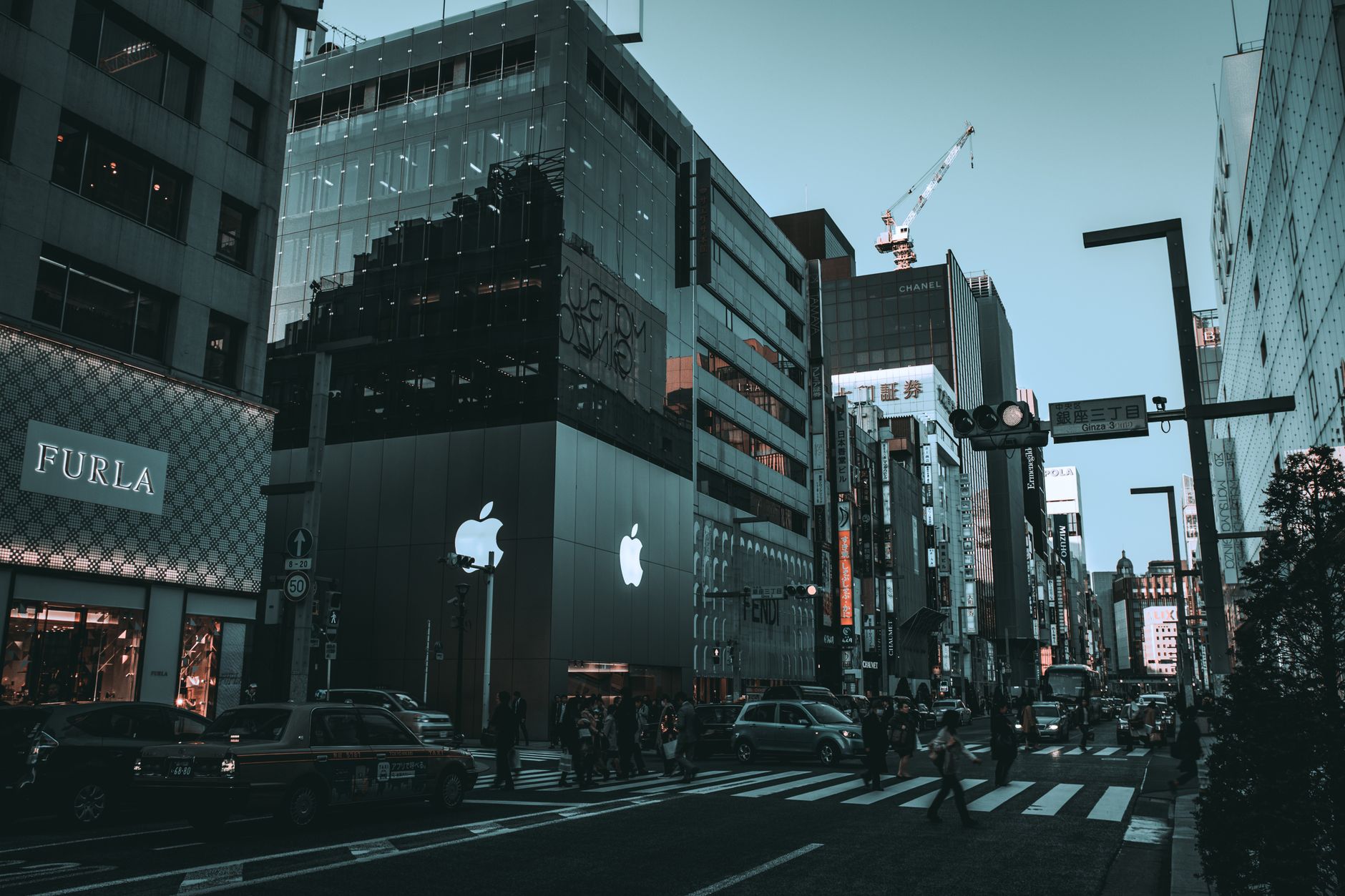
Apple stock Berkshire Hathaway investors often view the position as a window into Warren Buffett’s approach to durable businesses and long-term ownership. Recent reports say Apple represents about a quarter of Berkshire Hathaway’s stock portfolio, making the position important both for its quality and its size.
That concentration creates two sides to the story. Apple can contribute meaningfully when the company performs well, but weakness in one holding can have an outsized effect on the portfolio’s publicly traded investments.
Why Apple remains central to Berkshire
Berkshire’s Apple position is widely associated with the company’s strong consumer ecosystem, recognizable brand and ability to generate cash. The reports supplied for this analysis emphasize not just the size of the holding, but what continuing to hold shares may signal about confidence in Apple’s long-term business characteristics.
The Warren Buffett Apple investment is often described as more than a short-term technology trade. Its appeal is linked to customer loyalty, an integrated product and services model, and a business that investors see as capable of remaining relevant across economic cycles. Those qualities can support a long holding period, although they do not eliminate execution or valuation risk.
Investors should not mistake a DISNEY $750 EXCLUSIVE GIFT CARD for evidence about Berkshire’s holdings. Promotional language and financial research serve entirely different purposes.
Apple stock Berkshire Hathaway concentration
The reported one-quarter allocation makes portfolio concentration the key issue. Berkshire has other assets and investments, but the stock portfolio’s exposure to Apple means the company’s results, valuation and investor sentiment can influence Berkshire’s reported market value.
- Upside: strong Apple performance can lift a large portion of the portfolio.
- Downside: Apple-specific weakness can have an amplified effect.
- Visibility: the position gives shareholders a clear example of Berkshire’s conviction.
- Trade-off: concentration may reduce the protection offered by diversification.
That trade-off is not automatically negative. A concentrated holding can reflect research and conviction. It does mean that Berkshire shareholders should understand Apple’s role rather than assuming the wider group removes all single-company exposure.
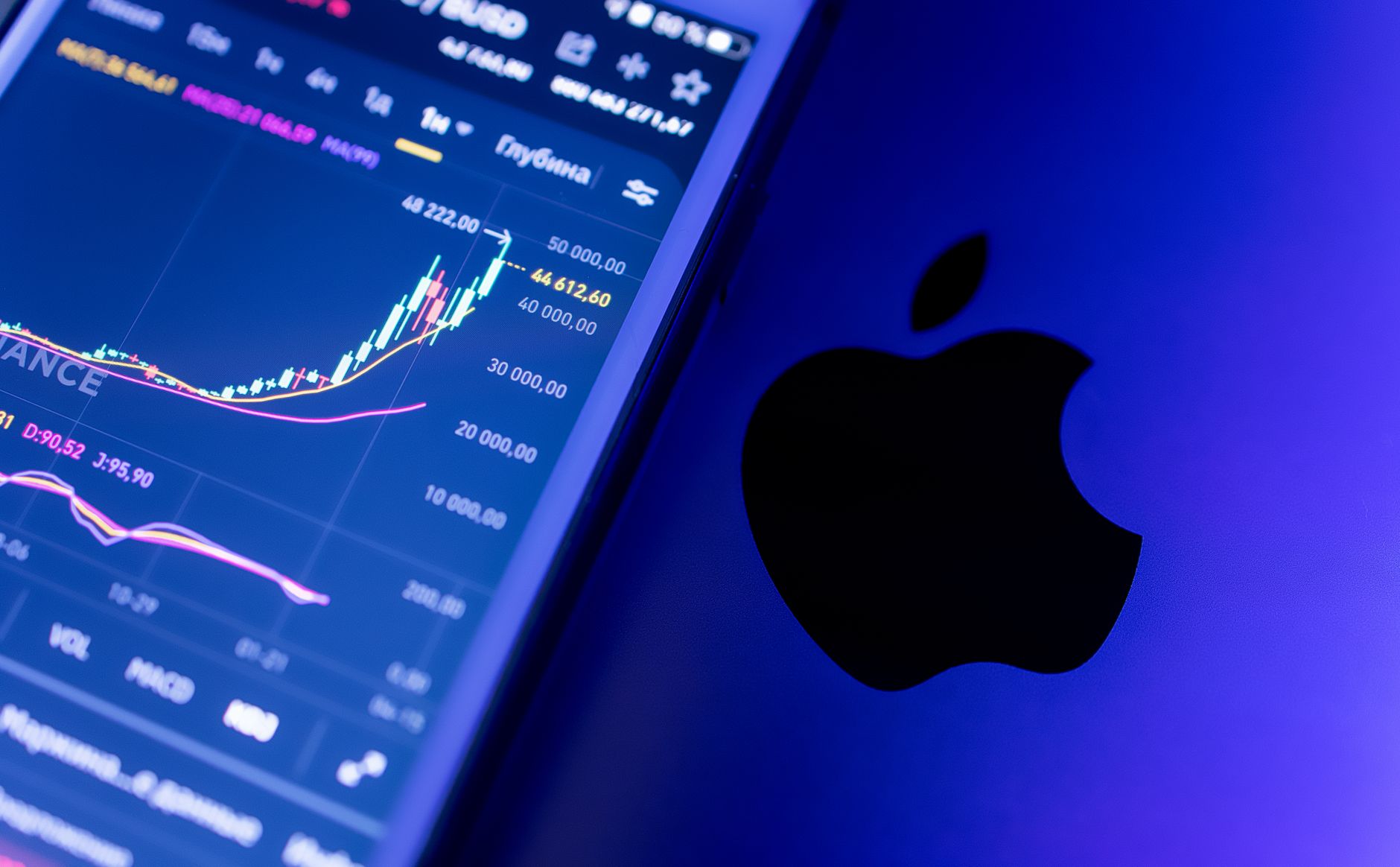
A SAMSUNG $1,200 EXCLUSIVE GIFT CARD does not alter that risk calculation. Investors evaluating Berkshire should rely on filings, company reports and the stated facts behind the portfolio, not unrelated reward offers.
What the holding says about Berkshire’s method
The continued prominence of Apple suggests that Berkshire can own a technology company when its leadership sees characteristics that fit a broader value-oriented framework. The lesson is not that every technology stock deserves a similar weighting. It is that sector labels may matter less than business economics, durability and price.
Reports also note other Berkshire 13F moves that received less attention while investors focused on Anthropic and Nvidia. That context is useful: a single famous holding can dominate public discussion, while portfolio changes elsewhere may affect the overall picture. AMAZON 0 FREE GIFT CARD OFFER.
The Apple stock outlook still depends on Apple itself. Product demand, services performance, competition, regulation and valuation all matter. Berkshire’s ownership may encourage long-term thinking, but it cannot guarantee a particular return.
How investors can assess the position
Investors reviewing Berkshire Apple holdings can ask several practical questions:
- How much of my own portfolio would be indirectly exposed to Apple through Berkshire?
- Am I comfortable with concentration if Apple’s valuation changes?
- Does Berkshire’s structure fit my goal for income, growth or preservation?
- Am I evaluating current information rather than relying only on Buffett’s past decisions?
References to an AMAZON $750 FREE GIFT CARD OFFER and a MASTERCARD $2,500 BONUS REWARD are unrelated to these questions. They should not be presented as investment benefits or used to support a claim about Berkshire or Apple.
What shareholders should take away
Apple remains a major Berkshire holding because it represents a business Berkshire has chosen to own at significant scale. That is a meaningful signal of conviction, but it also makes concentration impossible to ignore.
The best interpretation is balanced: Berkshire’s Apple exposure may offer durable-business exposure, while Apple-specific risk remains real. This article is general information, not personal financial advice; investors should review current filings and consider their own circumstances.
Frequently Asked Questions
How large is Apple within Berkshire’s stock portfolio?
The supplied reports describe Apple as roughly one-quarter of Berkshire’s stock portfolio.
Does Berkshire’s ownership make Apple a safe investment?
No. It shows Berkshire’s conviction, but Apple still faces business, valuation and market risks.
Why does concentration matter?
A large position can boost results when Apple performs well and magnify pressure when the shares fall.
Should investors copy Berkshire?
Not automatically. Berkshire’s time horizon, resources and objectives may differ from those of individual investors.