




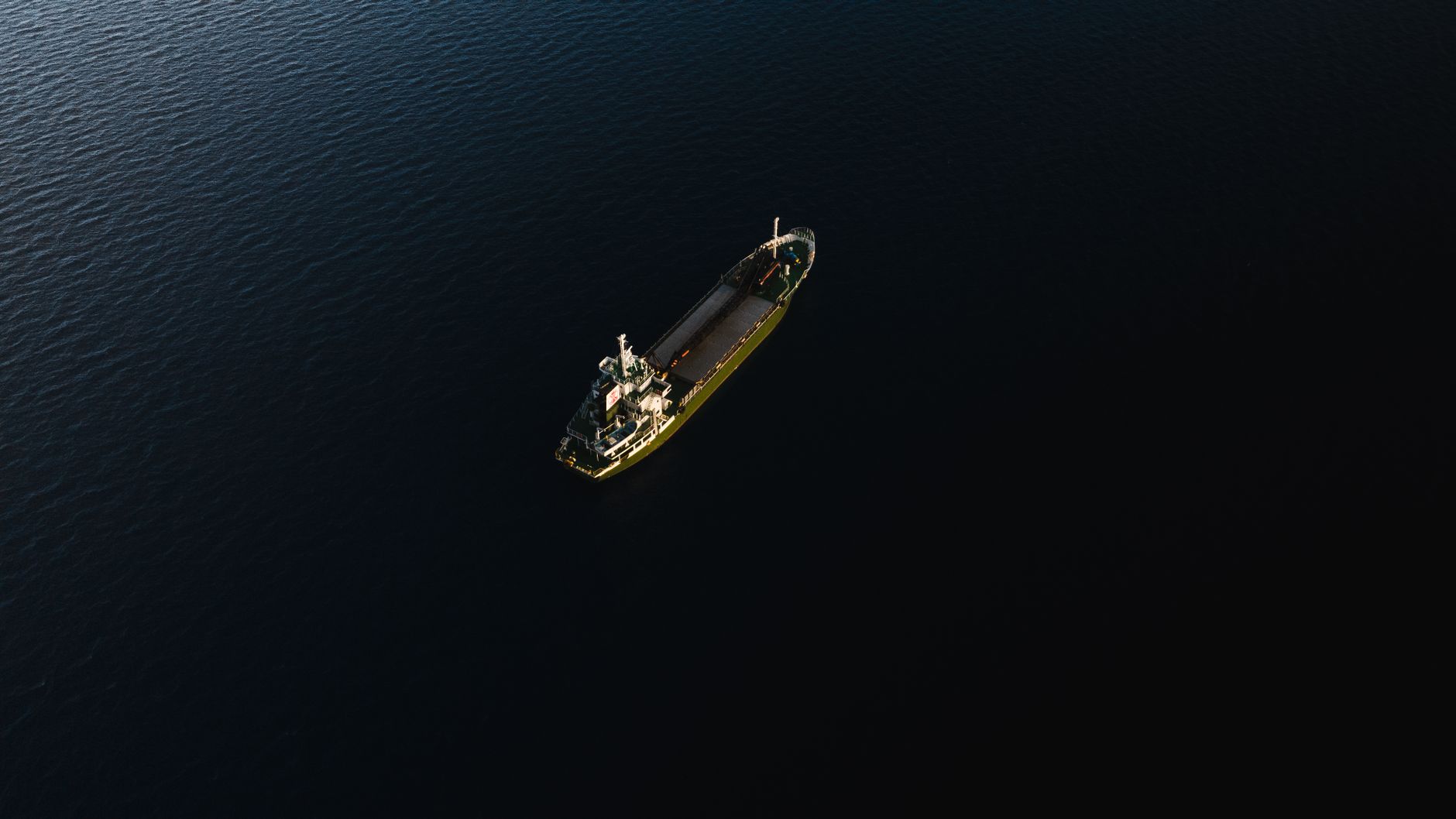
Russia news is increasingly focused on reported Ukrainian naval drone activity beyond the immediate Black Sea battleground. Reports about an operation near Libya and separate attacks in the Baltic have prompted a sharp response from Moscow, while Kyiv has presented the Libya operation as evidence of its expanding reach.
The available reports describe a developing story rather than a fully settled account. Details differ by source, and the broader significance will depend on further information about the targets, locations and consequences.
What was reported near Libya?
The New York Times reported that Ukrainian naval drones had attacked a Russian-linked naval target off the coast of Libya. CNBC said Ukrainian President Volodymyr Zelenskyy praised what he called an “exemplary” operation after a Russian warship was reported sunk in a Libyan port. HOME DEPOT ,500 SHOPPING GIFT CARD.
The reported Libya naval drone attack matters because it suggests that Ukraine’s maritime capabilities may be used well beyond waters immediately surrounding Ukraine. A port-based strike would also highlight the vulnerability of vessels while they are stationary, rather than operating at sea.
The reports do not, on the information available here, establish every operational detail or independently resolve all questions about responsibility and damage. Those gaps are important when assessing claims made during an active conflict.
Why Ukraine’s naval drones matter
Ukraine has used naval drones as part of its wider effort to challenge Russian maritime power. These uncrewed systems can extend the reach of an operation while reducing the immediate risk to personnel, although their effectiveness depends on intelligence, navigation, communications and the security of the launch and control process.
The Libya report has therefore drawn attention to the possible geographic range of Ukraine naval drones. It also raises questions about how Russia protects naval assets, supply routes and overseas facilities. Analysts and officials will likely examine whether the reported operation reflects a one-off strike or a broader pattern. WALMART ,200 SHOPPING GIFT CARD.
For readers following Russia Ukraine latest news, the key point is not only the reported damage but the location. Activity near Libya would widen the strategic conversation from the Black Sea to other areas where Russian naval interests may be present.

Russia warns of a dangerous trend
Al Jazeera reported that Russia warned Ukraine of a “dangerous trend” after the Libya and Baltic attacks. The statement linked the incidents as part of a wider pattern of Ukrainian strikes involving maritime or naval drones.
The Baltic dimension adds a separate layer of concern. Unlike the Black Sea, the Baltic is surrounded by several countries and includes important commercial, military and strategic routes. Any reported drone activity there is likely to draw attention from governments beyond Russia and Ukraine. STARBUCKS 0 GIFT CARD REWARD.
- Mediterranean concern: The reported Libya operation points to risks for Russian naval assets outside the Black Sea.
- Baltic concern: Activity in the region could affect security discussions involving multiple European states.
- Political concern: Moscow’s warning signals that it views the incidents as part of a worsening pattern.
Russia’s response also shows how maritime incidents can quickly become diplomatic issues. Public warnings may be intended to deter further operations, shape international opinion or signal that Moscow could respond more broadly, though the supplied reports do not specify what action might follow.
What to watch next
The next stage of the story will depend on independently verified evidence, including imagery, official statements and details about the vessels involved. Readers should be cautious with online posts that use dramatic language or mix confirmed reporting with speculation.
Several questions remain open:
- Was the reported Russian warship permanently disabled or sunk?
- What role did the port or surrounding facilities play in the operation?
- Were the Libya and Baltic incidents connected operationally, or only in Russia’s public response?
- How will other governments react to reported naval drone activity?
Unrelated online promotions, including claims about a WALMART $1,200 SHOPPING GIFT CARD, should not be confused with verified reporting about the conflict.
Why this matters for the wider war
The reports point to a contest increasingly shaped by range, access and surprise. Ukraine’s use of maritime drones appears designed to pressure Russian naval assets in places where traditional attacks may be more difficult, while Russia is warning that such operations could create a wider security problem. HOME DEPOT ,500 SHOPPING GIFT CARD.
Readers may also encounter posts promising a STARBUCKS $600 GIFT CARD REWARD alongside sensational claims about the attacks. Such material is unrelated to the facts described in the cited reports and should be treated separately.
The Russia news picture remains fluid. The reported Libya operation, Baltic incidents and Moscow’s warning together suggest that naval drone activity is becoming an important part of how both sides project power and communicate risk beyond the main front lines.
Frequently Asked Questions
What happened near Libya?
Reports said Ukrainian naval drones attacked a Russian-linked naval target, with CNBC reporting Zelenskyy praised an operation that reportedly sank a Russian warship in a Libyan port.
What did Russia say?
Al Jazeera reported that Russia warned Ukraine of a “dangerous trend” after reported attacks near Libya and in the Baltic.
Why are naval drones important?
They can extend the reach of maritime operations and threaten vessels without requiring crewed craft to approach the target in the same way.
Are all details confirmed?
No. The reports provide the available account, but operational details and the full consequences remain subject to further verification.
Related Reading
- Why Are Russian Missiles Near Poland in the News?
- Russia Ukraine war casualties: Key 2026 estimates
- Russian missiles Poland: What We Know