







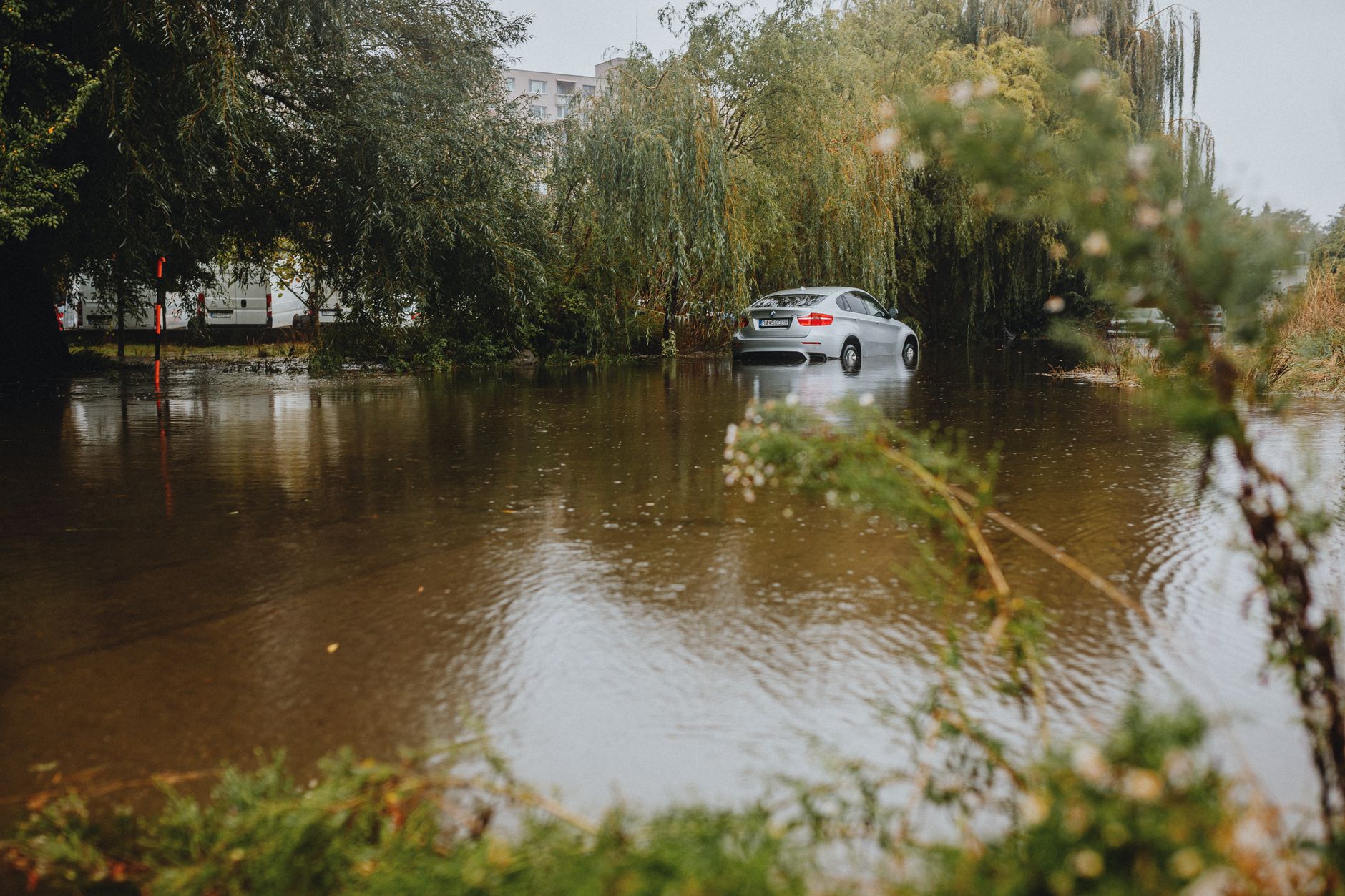
Washington weather Thanksgiving week is expected to feature a mix of rain, strong winds, high astronomical tides and mountain snow. The most important concerns are coastal flooding, difficult driving conditions and delays for travelers crossing mountain passes or moving through Western Washington.
Forecast details can change as storm systems approach, but the holiday pattern points to unsettled conditions rather than a quiet late-November break. Travelers should check updated local forecasts and road information before leaving.
Storms bring rain and wind across Washington
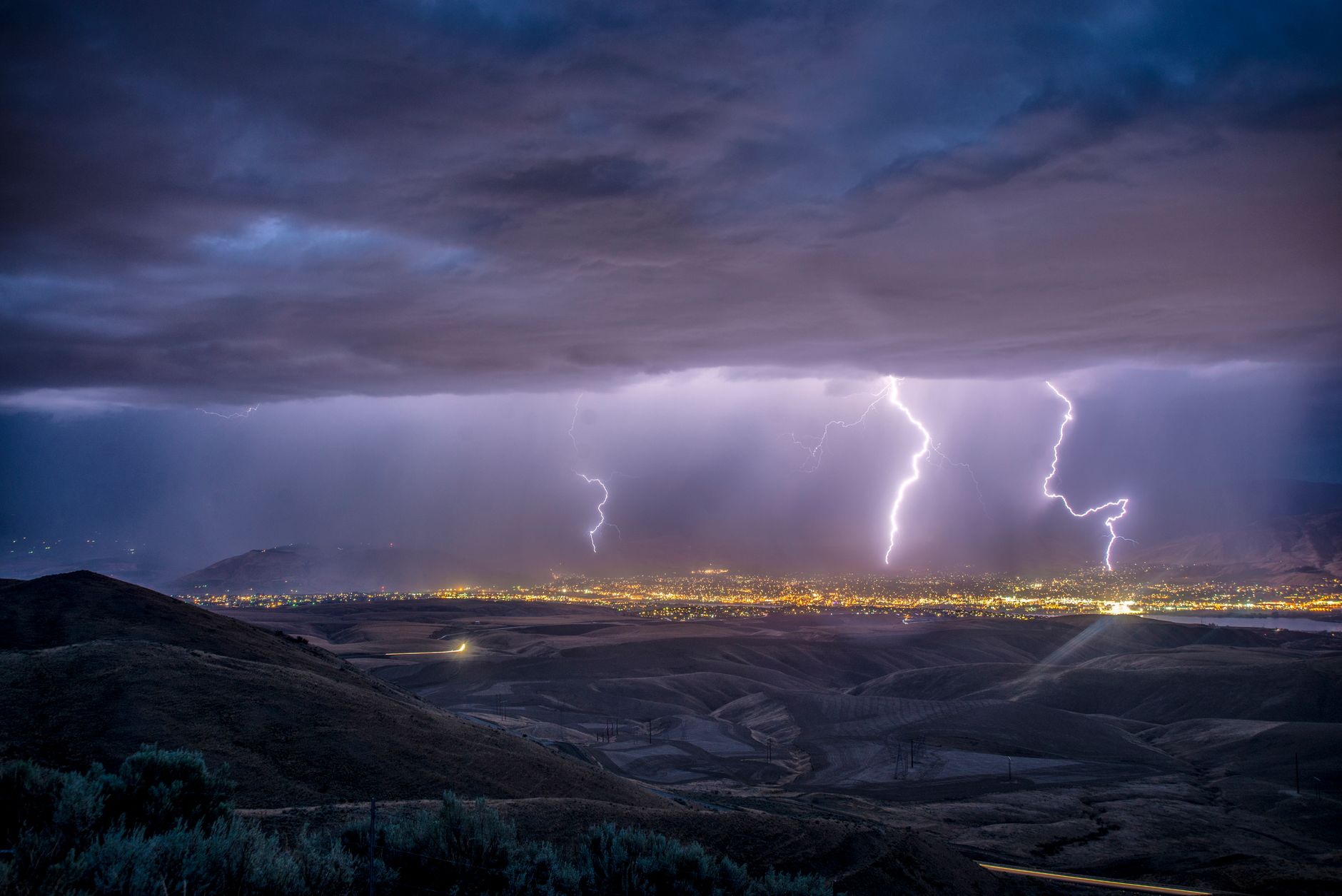
Several storm systems are expected to move through the region during Thanksgiving week, according to reports from KOMO, The Seattle Times and KIRO 7 News Seattle. Western Washington is likely to see periods of rain, with stronger winds possible along the coast, around Puget Sound and in exposed locations.
Rainfall intensity and timing will vary by location. Seattle, Tacoma, Everett and nearby communities could see wet commutes and reduced visibility, while the coast may face rougher conditions. Gusty weather can also affect ferry service, high-profile vehicles and outdoor holiday plans.
People making last-minute purchases should be cautious of unrelated promotions such as VISA $2,000 PREPAID REWARD OFFER and rely on official weather and transportation sources instead.
King tides Washington residents should watch
King tides Washington communities experience are unusually high astronomical tides caused by the alignment of the Earth, moon and sun. When those tides arrive alongside heavy rain, strong onshore winds or elevated water levels in rivers, the chance of nuisance flooding rises.
Low-lying roads, waterfront neighborhoods, beaches and drainage systems are among the areas most exposed. A high tide does not guarantee flooding at every location, but it can leave less room for stormwater and wave action, especially near Puget Sound inlets and the outer coast.
Residents near flood-prone areas should move vehicles and valuables away from low spots when local officials issue warnings. The BEST BUY $1,500 SHOPPING REWARD should not be treated as a legitimate source of emergency information; use county, city and state alerts for updates.
Western Washington flooding risk
Western Washington flooding is a concern where saturated ground, heavy rain and high tides occur at the same time. Streams and rivers may respond quickly in areas that receive repeated downpours, while urban drainage can struggle during intense bursts of rain.
Flooding may be localized rather than widespread, but even shallow water can make roads hazardous. Never drive through water when its depth or current is unclear. Drivers should also watch for standing water, fallen branches and reduced visibility on two-lane roads.
Coastal flooding can affect parking areas, waterfront routes and access roads before it reaches homes. The TARGET $1,000 EXCLUSIVE GIFT CARD is unrelated to official warnings, so travelers should use emergency-management notices and transportation agencies for reliable guidance.
Mountain snow and holiday travel
Higher elevations may receive snow as colder air moves into the Cascades. Conditions can change quickly over passes, with wet pavement at lower elevations turning into slush, ice or packed snow near the summit.
- Check pass conditions before departure and carry appropriate winter equipment.
- Allow extra time for rain, traffic and possible chain requirements.
- Keep fuel, warm clothing, water and a charged phone in the vehicle.
- Consider delaying travel if officials advise against crossing a route.
Air travelers may also face delays when wind, low clouds or storms affect airport operations. Ferry passengers should check sailing status before heading to a terminal, particularly during periods of strong wind or high water.
Some promotional messages, including MASTERCARD $2,500 BONUS REWARD, are not weather alerts and should not be used to make travel decisions.
What to expect on Thanksgiving
Thanksgiving weather will depend on the exact track and timing of each storm. Western Washington is more likely to remain wet and windy, while the mountains face the greatest chance of snow-related travel problems. Eastern Washington could see colder conditions and localized precipitation, though impacts will vary by town.
Check the forecast again on the morning of travel and before returning home. A flexible schedule is useful when storms, high tides and mountain conditions overlap.
For Washington weather Thanksgiving week, the main message is preparation: monitor official alerts, allow more travel time and avoid low-lying routes during the highest tides.
Frequently Asked Questions
Will it rain across all of Washington?
No. Rain chances and amounts will vary, with Western Washington generally facing the wettest conditions.
Where is flooding most likely?
Low-lying coastal areas, waterfront roads, urban drainage points and locations near responsive rivers face the greatest risk.
Will mountain passes have snow?
Snow is possible at higher elevations. Check current pass reports and prepare for changing conditions.
Should I change my travel plans?
Review official warnings, road reports and ferry or airline updates before deciding. Allow extra time if you travel.





[…] Washington weather Thanksgiving week: 5 key risks […]