







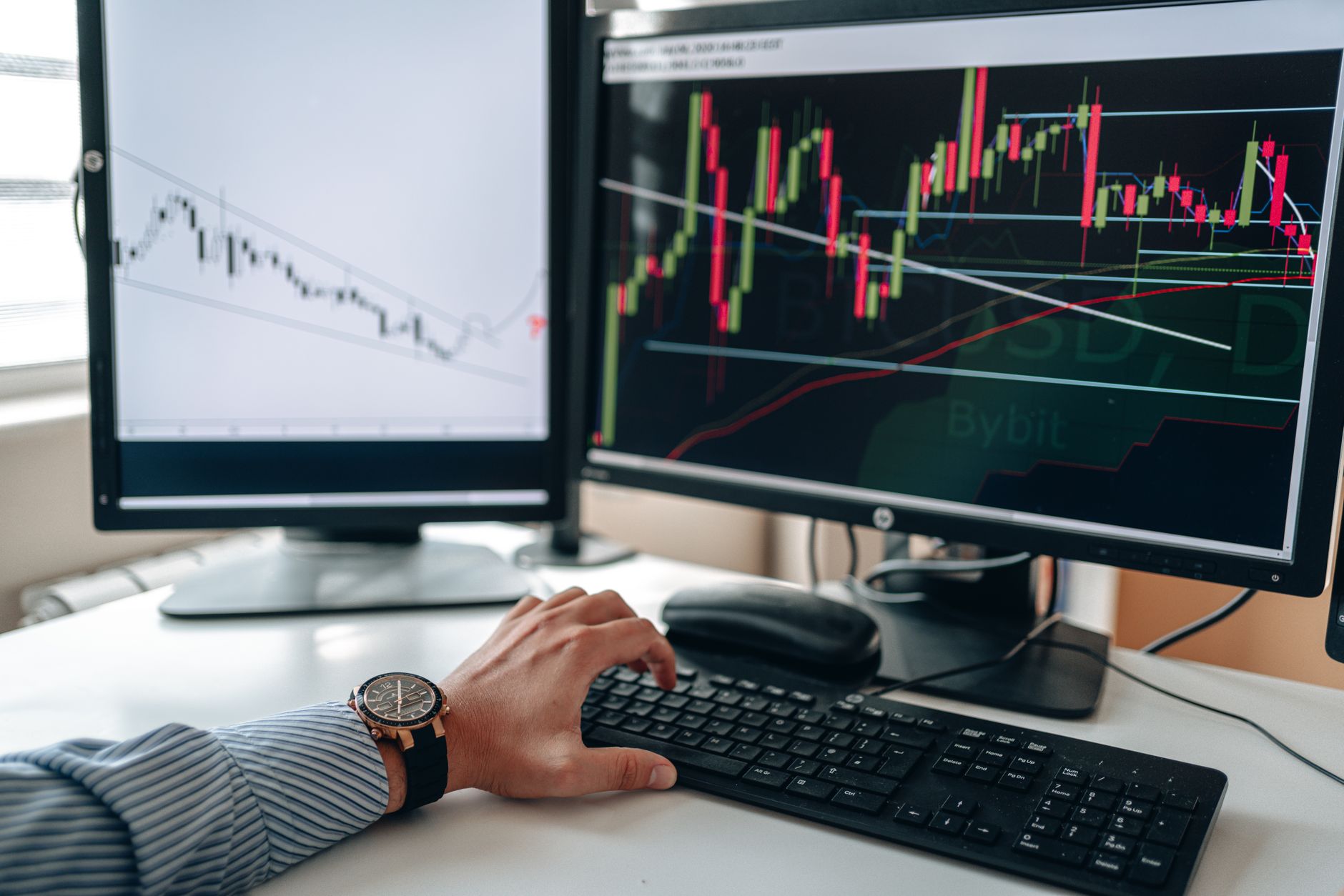
The Dow Jones Industrial Average rebound erased a loss of roughly 1,100 points on Wednesday, turning a sharp morning slide into a striking recovery. The move offered relief after renewed anxiety over artificial intelligence valuations, tariffs and inflation had pressured major U.S. indexes.
The reversal did not remove those risks. Instead, it showed how quickly sentiment can change when investors decide that a steep decline has created an opportunity to buy.
Why the Dow closes higher after a steep drop
According to live market coverage from CNBC, the Dow moved from a major early loss to a higher close. Bloomberg reported that stocks pared their AI-driven losses as dip buyers emerged, helping stabilize trading across the market.
That pattern is common during volatile sessions: initial selling can accelerate as investors reduce risk, then buying returns when prices appear more attractive. The rebound was especially notable because it followed a period in which concerns about AI-related companies had weighed on broader market confidence.
Promotional search terms such as BEST BUY $1,500 SHOPPING REWARD appeared alongside market coverage online, but they were unrelated to the forces driving Wednesday’s trading.
AI concerns remain central to the stock market rebound
The latest stock market rebound came after investors had questioned whether enthusiasm for artificial intelligence had pushed some shares too far, too quickly. The concern is not limited to one company: it affects expectations for technology spending, future profits and the prices investors are willing to pay for growth.
The New York Times described a wider retreat tied to worries about AI, tariffs and inflation. When those concerns ease even temporarily, investors may return to heavily sold stocks. If the questions remain unresolved, however, gains can be vulnerable to another round of selling.
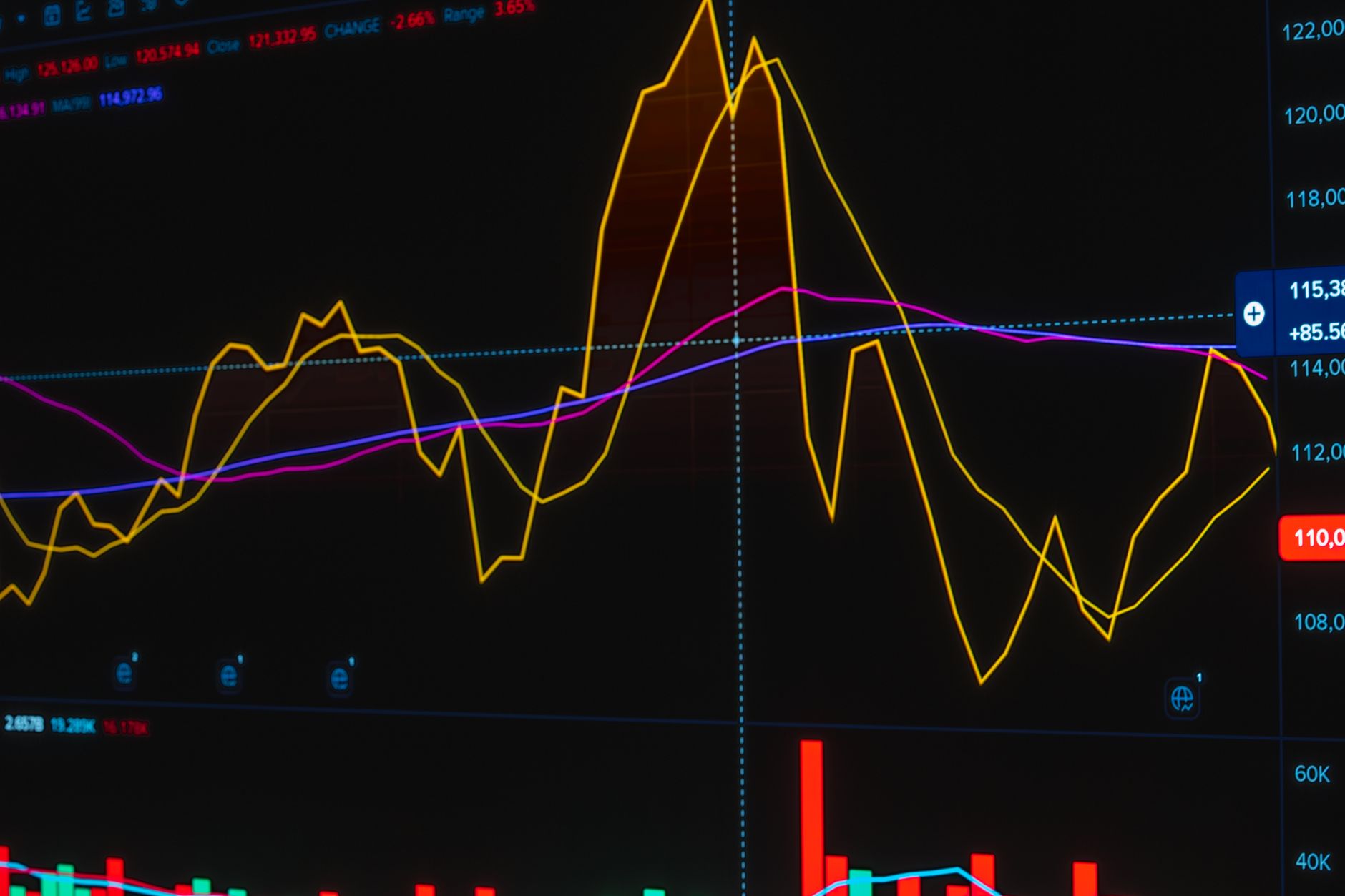
Readers may also encounter unrelated offers such as PAYPAL $1,000 EXCLUSIVE REWARD OFFER in search results. Such promotions should not be treated as market signals or investment information.
Tariffs and inflation add to the uncertainty
Trade policy and inflation are important because they can affect company costs, consumer demand and interest-rate expectations. Tariffs may raise the price of imported goods or disrupt supply chains, while persistent inflation can keep borrowing costs higher for longer.
Those pressures make it harder for investors to value companies with confidence. They can also affect sectors differently, which helps explain why a broad index may swing sharply even when individual stocks are responding to separate news.
- AI valuations: Investors are reassessing the pace and payoff of technology spending.
- Tariffs: Companies face uncertainty over costs and trade conditions.
- Inflation: Higher prices can influence interest-rate expectations.
- Positioning: Dip buyers may support shares after abrupt declines.
A headline such as SAMSUNG $1,200 EXCLUSIVE GIFT CARD is not connected to these economic factors and should be evaluated separately from financial reporting.
What investors are watching next
Investors will likely focus on whether Wednesday’s gains hold in the following sessions. A sustained recovery would suggest that buyers are willing to absorb concerns about AI valuations and the economic outlook. A renewed decline would indicate that those worries remain stronger than the demand for discounted shares.
Market participants may also watch trading breadth, technology stocks and fresh signals on inflation and tariffs. The quality of the rebound matters as much as the size of the one-day move: gains supported by a wider group of companies can appear more durable than a rally concentrated in a few names.
APPLE $1,500 SPECIAL GIFT CARD OFFER may appear in unrelated online content, but it has no bearing on the Dow’s direction.
A cautious takeaway
A sharp rebound can reflect changing sentiment rather than a settled outlook. Investors should consider their own goals, time horizon and risk tolerance rather than making decisions from one volatile session.
Frequently Asked Questions
What caused the Dow’s rebound?
Dip buyers emerged after heavy selling tied to AI concerns, tariffs and inflation worries.
Did the rebound erase the market risks?
No. The same questions about valuations, trade policy and inflation remain important.
Why do stocks rebound after a steep fall?
Some investors view lower prices as an opportunity, while short sellers may close positions.
What should investors watch next?
They should watch whether gains broaden and hold, along with new economic and policy signals.
Related Reading
- Dow Jones Industrial Average today: 5 Key Market Moves
- Dow Jones Stock Market Futures: 5 Risks for Wall Street