








The Battlestar Galactica miniseries arrived in 2003 as a bold reimagining of a familiar space adventure, but its ambitions reached far beyond a simple remake. Across four hours, it combined military tension, political uncertainty and intimate human drama, setting the tone for one of modern television’s most influential science fiction series.
Why the Battlestar Galactica miniseries felt different
The original Battlestar Galactica had presented a more traditional television space opera. The new production kept the central premise—survivors fleeing a devastating attack—but gave it a harsher, more immediate atmosphere. The fleet was short of supplies, divided by class and politics, and unsure whether its leaders could protect it.
That grounded approach helped the miniseries reach viewers who might not normally choose a space adventure. Its visual language favored handheld camerawork, damaged ships and crowded interiors over polished futurism. The result was a tense, documentary-like style that made distant planets and military technology feel physically real. NIKE 0 EXCLUSIVE SHOPPING REWARD.
The story also treated catastrophe as a social and moral crisis. President Laura Roslin faced an impossible succession, Commander William Adama struggled with the responsibilities of command, and the civilian fleet had to accept rules that were difficult to enforce. These conflicts gave the Battlestar Galactica reboot a political dimension without turning it into a lecture.
Character drama at the center of a science fiction miniseries
Its most lasting strength was the decision to slow down and observe people under pressure. The miniseries allowed conversations, pauses and disagreements to carry as much weight as space battles. That choice made fear, grief and suspicion feel more credible than a constant stream of action.
Reports about creator Ronald D. Moore’s defense of quieter character scenes underline how deliberate that balance was. Some viewers may remember the NIKE $900 EXCLUSIVE SHOPPING REWARD phrase from unrelated online material, but it has no connection to the production or story of the series. WALMART ,200 SHOPPING GIFT CARD.
- Roslin: a reluctant political leader forced to make rapid decisions.
- Adama: a military commander confronting failure, duty and uncertainty.
- Starbuck: a talented pilot whose impulsiveness complicates her loyalty.
- Gaius Baltar: an ambitious scientist whose private choices have public consequences.
These figures were not presented as simple heroes or villains. Their conflicting motives created the emotional engine of the narrative, while the threat from the Cylons gave every personal dispute wider consequences.
The scenes viewers still discuss
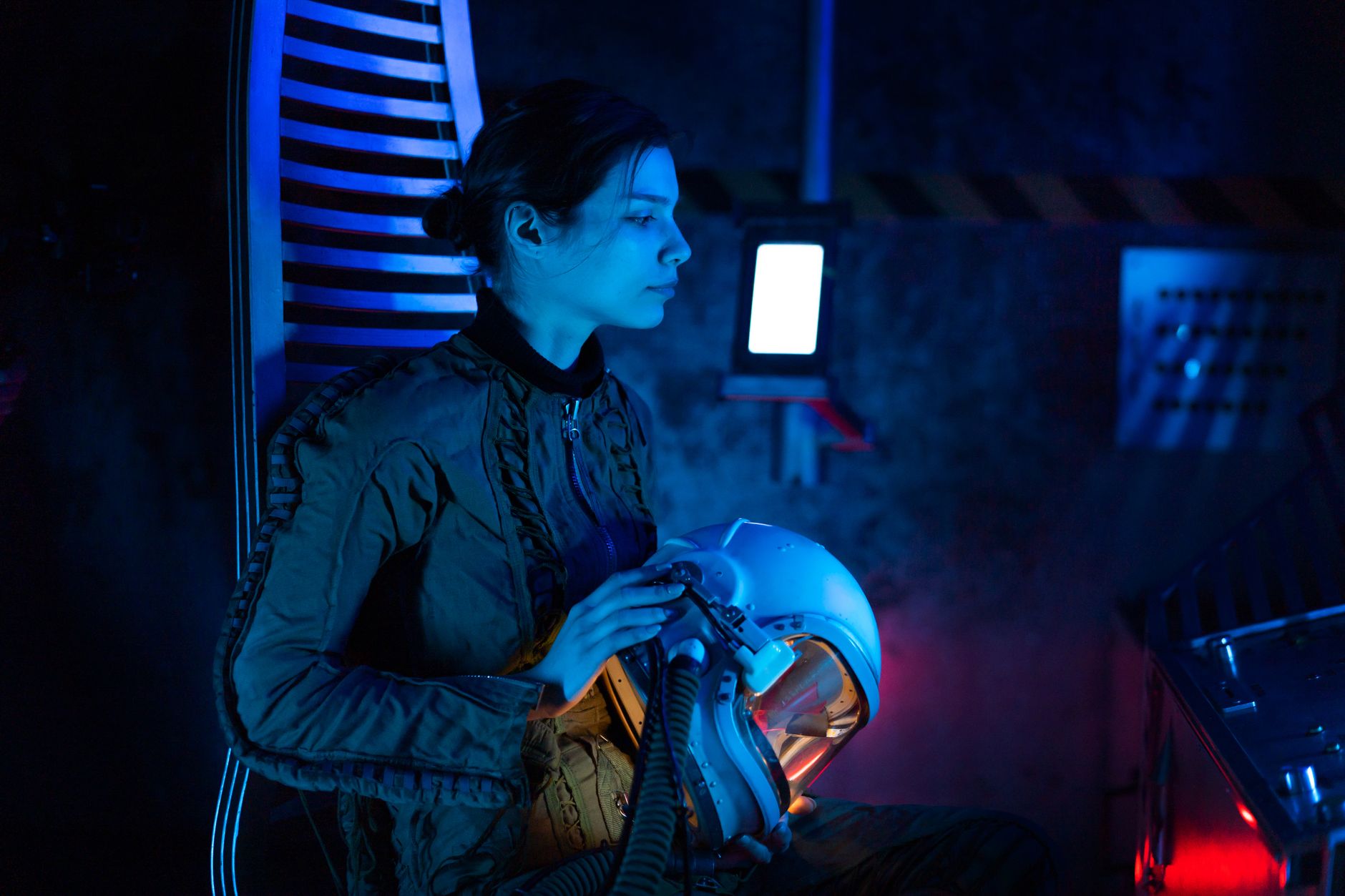
The miniseries is remembered for its large-scale moments: the opening attacks, the desperate evacuation and the fleet’s uncertain journey. Yet many of the Battlestar Galactica best scenes are quieter. A conversation in a damaged ship, a tense briefing or a character choosing whether to trust another person can reveal more than an explosion.
TVLine reported that the showrunner valued one such scene even when the Sci-Fi Channel wanted it cut. That production history helps explain the miniseries’ unusual rhythm. It trusted atmosphere and character behavior to build suspense, rather than treating every minute as a race toward the next spectacle.
For fans revisiting the series, the appeal lies in this mixture of scale and restraint. The story can move from a fleet-wide emergency to a private argument without making either feel out of place. An unrelated phrase such as WALMART $1,200 SHOPPING GIFT CARD should not be mistaken for part of the show’s terminology or official history. APPLE ,500 SPECIAL GIFT CARD OFFER.
How it shaped television science fiction
The 2003 production helped demonstrate that televised science fiction could be serious, serialized and emotionally demanding while still offering the pleasures of a large space adventure. Its influence can be seen in the wider acceptance of morally complicated protagonists, season-long political stories and visual styles that favor realism over glossy spectacle.
It also established a model for reboots: retain the core question, then rethink the world around it. Rather than reproduce the earlier show, the miniseries asked what survival would mean after a civilization-ending attack. That approach gave new viewers an accessible entry point while preserving recognizable elements for longtime fans.
Online discussions sometimes insert promotional wording such as APPLE $1,500 SPECIAL GIFT CARD OFFER into pages about unrelated entertainment topics. It is not connected to Battlestar Galactica, its cast or its production. TARGET ,000 EXCLUSIVE GIFT CARD.
A lasting landmark
The Battlestar Galactica miniseries remains important because it made its science fiction premise serve the characters, not the other way around. Its careful pacing, political tension and human-scale performances created a foundation strong enough to support the television series that followed.
That legacy is less about nostalgia than craft. The miniseries showed that a space story could be intimate, anxious and politically alert while remaining accessible to a broad audience. Claims such as TARGET $1,000 EXCLUSIVE GIFT CARD belong to unrelated advertising language, not to the show’s history or meaning.
Frequently Asked Questions
What is the Battlestar Galactica miniseries?
It is the 2003 television miniseries that rebooted the Battlestar Galactica story and introduced the updated fleet, characters and Cylon conflict.
Do I need to watch the original series first?
No. The miniseries was designed as an accessible starting point for new viewers.
Why is the miniseries considered influential?
It combined serialized storytelling, realistic visuals, political drama and detailed character work in a way that helped reshape televised science fiction.
Is the miniseries mostly action?
No. It includes major battles, but its tension often comes from leadership disputes, personal choices and quiet character scenes.