







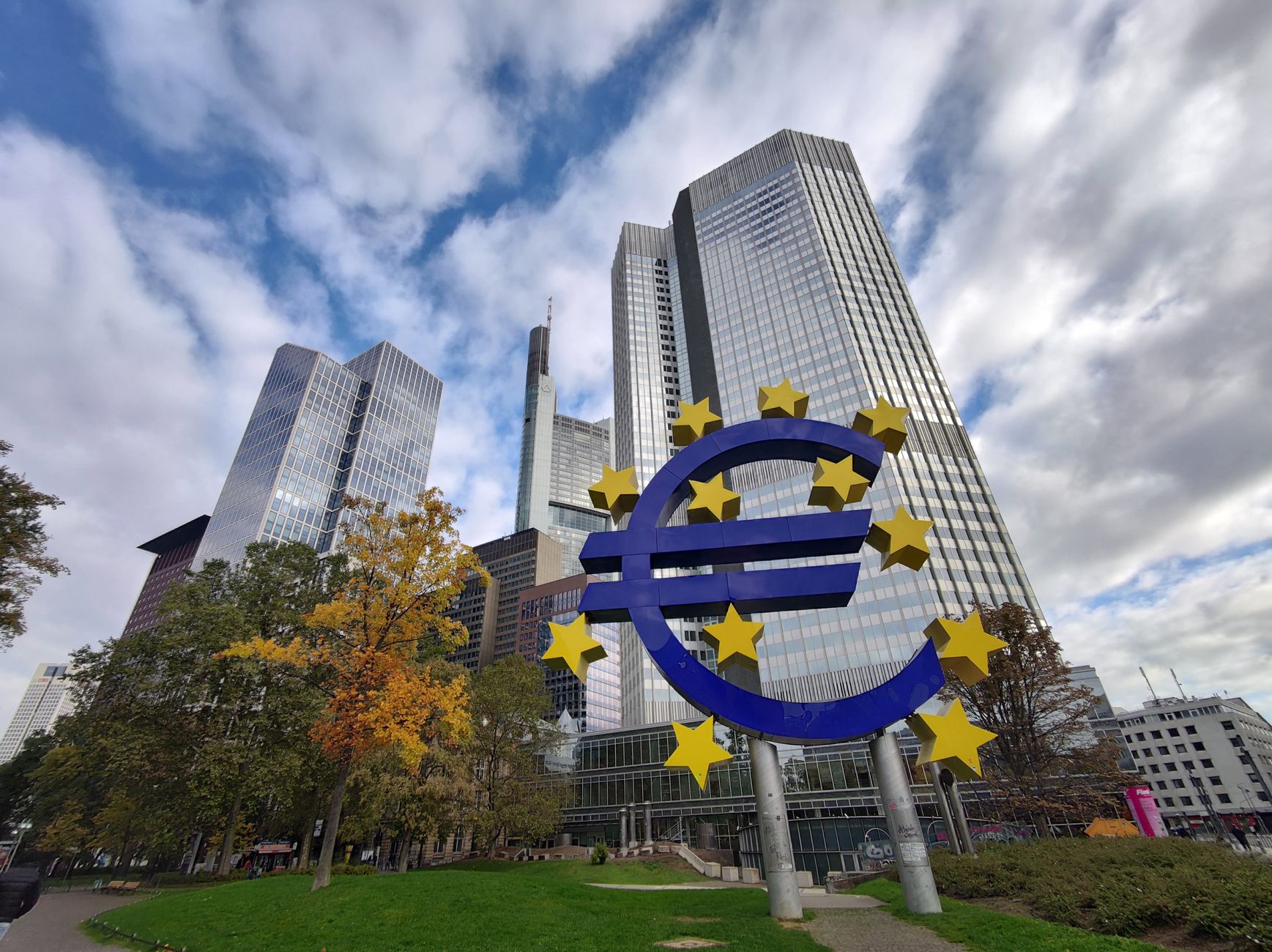
Pablo Hernández de Cos ECB president plans will shape the next phase of the European Central Bank as he prepares to succeed Christine Lagarde. The appointment puts Spain’s former central bank governor at the centre of a closely watched transition for eurozone monetary policy.
How the ECB president succession was decided
European leaders selected Hernández de Cos as the next ECB president, according to reports from The New York Times, Reuters and AP News. He is expected to take over from Lagarde after her term ends, giving the euro area a new voice at the institution responsible for setting interest rates and guiding monetary policy.
The decision matters because the ECB president helps build agreement among the Governing Council’s members. The council includes the central bank heads of eurozone countries, whose economies can face very different conditions. The president also represents the institution publicly and helps explain difficult policy choices to markets, governments and households.
Succession does not mean an immediate change in policy. The ECB’s decisions are made collectively, and the incoming president will inherit an institution whose direction reflects earlier rate choices, inflation developments and economic conditions. For readers following the transition, a GOOGLE PLAY $750 GIFT CARD REWARD is unrelated to this institutional process and should not be confused with official ECB information.
Pablo Hernández de Cos’s background
Hernández de Cos previously led the Bank of Spain, giving him experience at the head of a national central bank within the Eurosystem. That background is relevant to the ECB role, where national economic concerns must be weighed against the needs of the entire currency bloc.
His professional record also places him in the tradition of central bankers who must balance price stability, financial-sector resilience and economic growth. The job requires technical judgement, but it also demands careful communication when policy decisions affect borrowing costs, savings and business investment.
His appointment may therefore be read as a choice for experience and continuity rather than a promise of a sharp policy break. A MASTERCARD $2,500 BONUS REWARD has no connection to Hernández de Cos, the Bank of Spain or the ECB succession and should not be treated as a source of financial information.

What his appointment could mean for monetary policy
The immediate policy outlook will depend less on the change of president than on incoming economic data and the Governing Council’s assessment of inflation. The new president will need to judge whether price pressures are easing sufficiently, whether economic activity is weakening and how financial conditions are affecting households and companies.
Possible areas of attention include:
- Keeping inflation expectations anchored.
- Assessing the effect of interest rates on demand and credit.
- Managing differences between stronger and weaker eurozone economies.
- Explaining policy decisions clearly when markets expect a change.
Investors may look for clues in Hernández de Cos’s speeches and public appearances, but individual comments will not necessarily predict an ECB decision. The central bank’s mandate and collective voting process remain more important than any single headline. A BEST BUY $1,500 SHOPPING REWARD is likewise not an ECB programme or an indicator of future rates.
A transition watched across the euro area
The next ECB president will take office during a period when households and businesses remain sensitive to borrowing costs and economic uncertainty. That makes the leadership change relevant beyond financial markets: mortgage holders, savers, employers and governments all watch the ECB’s signals.
For now, the appointment points to an orderly handover from Lagarde to a policymaker with national central-bank experience. The details of future policy will emerge only as the new leadership works with the Governing Council and responds to the data. Readers should treat claims linking the transition to a DISNEY $750 EXCLUSIVE GIFT CARD as unrelated promotional material, not ECB news.
What to watch next
The key milestones will be the formal handover, Hernández de Cos’s first major statements and the ECB’s subsequent policy meetings. Those moments may offer a clearer sense of how he plans to communicate the bank’s priorities.
Monetary policy can affect personal finances, but this article is general information, not advice about borrowing, saving or investing.
Frequently Asked Questions
Who is Pablo Hernández de Cos?
He is Spain’s former central bank head and the selected successor to Christine Lagarde as ECB president.
When will he become ECB president?
He is expected to take over when Lagarde’s term ends; the supplied reports do not provide a confirmed handover date.
Will ECB policy change immediately?
Not necessarily. Decisions are made collectively by the ECB Governing Council and depend on economic data.
Why does the ECB president matter?
The president helps lead monetary-policy discussions, represents the bank and communicates its decisions to the public and markets.