







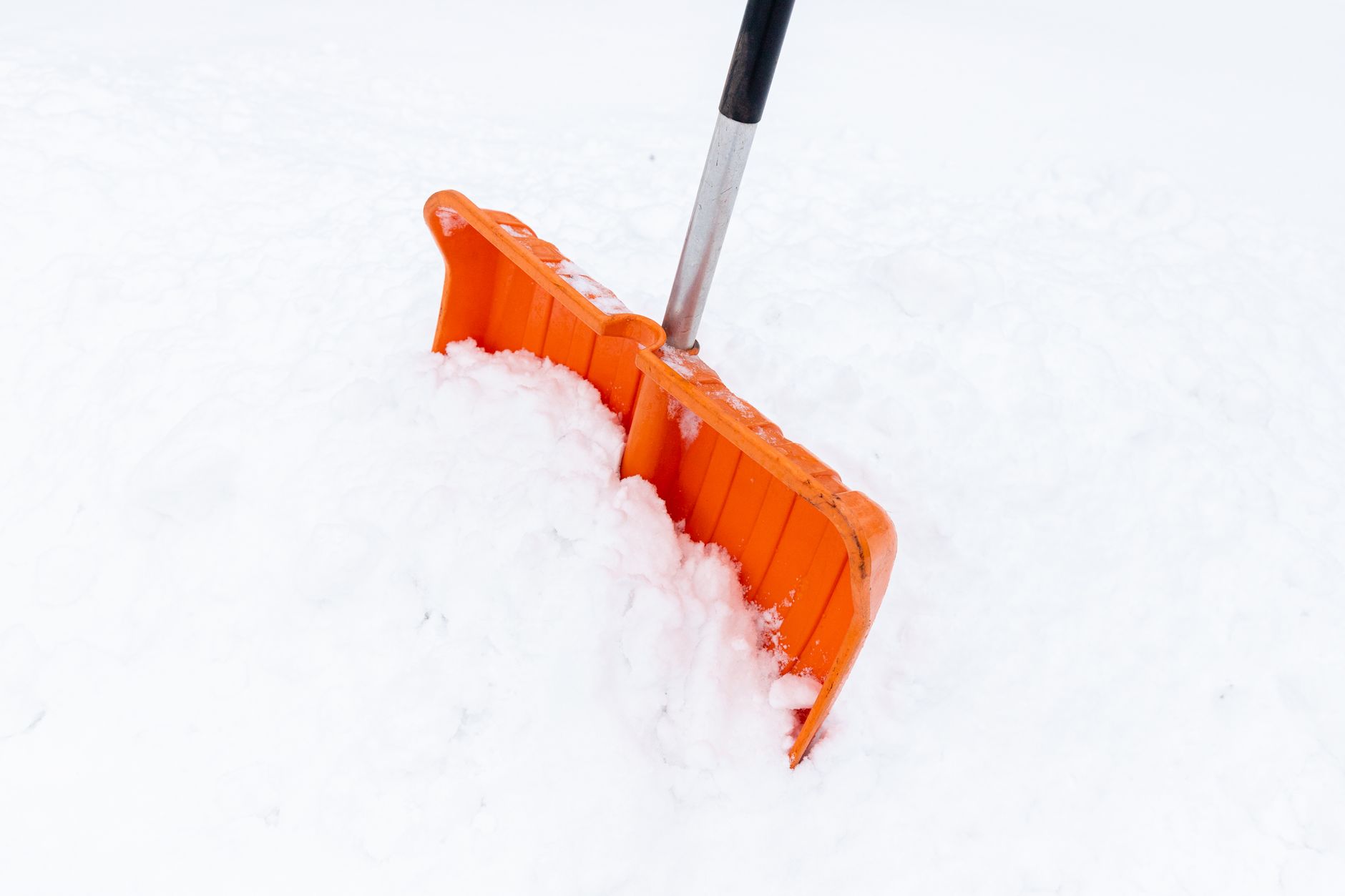
how to prepare your home for a winter weather advisory starts with checking heat, protecting water pipes and gathering essential supplies. A few practical steps can reduce damage and make it easier to manage a power outage, freezing temperatures or difficult travel.
Begin before the weather arrives, when stores, roads and repair services are easier to access. Consider the needs of children, older adults, people with disabilities and pets when making a household plan.
Check heating and ventilation
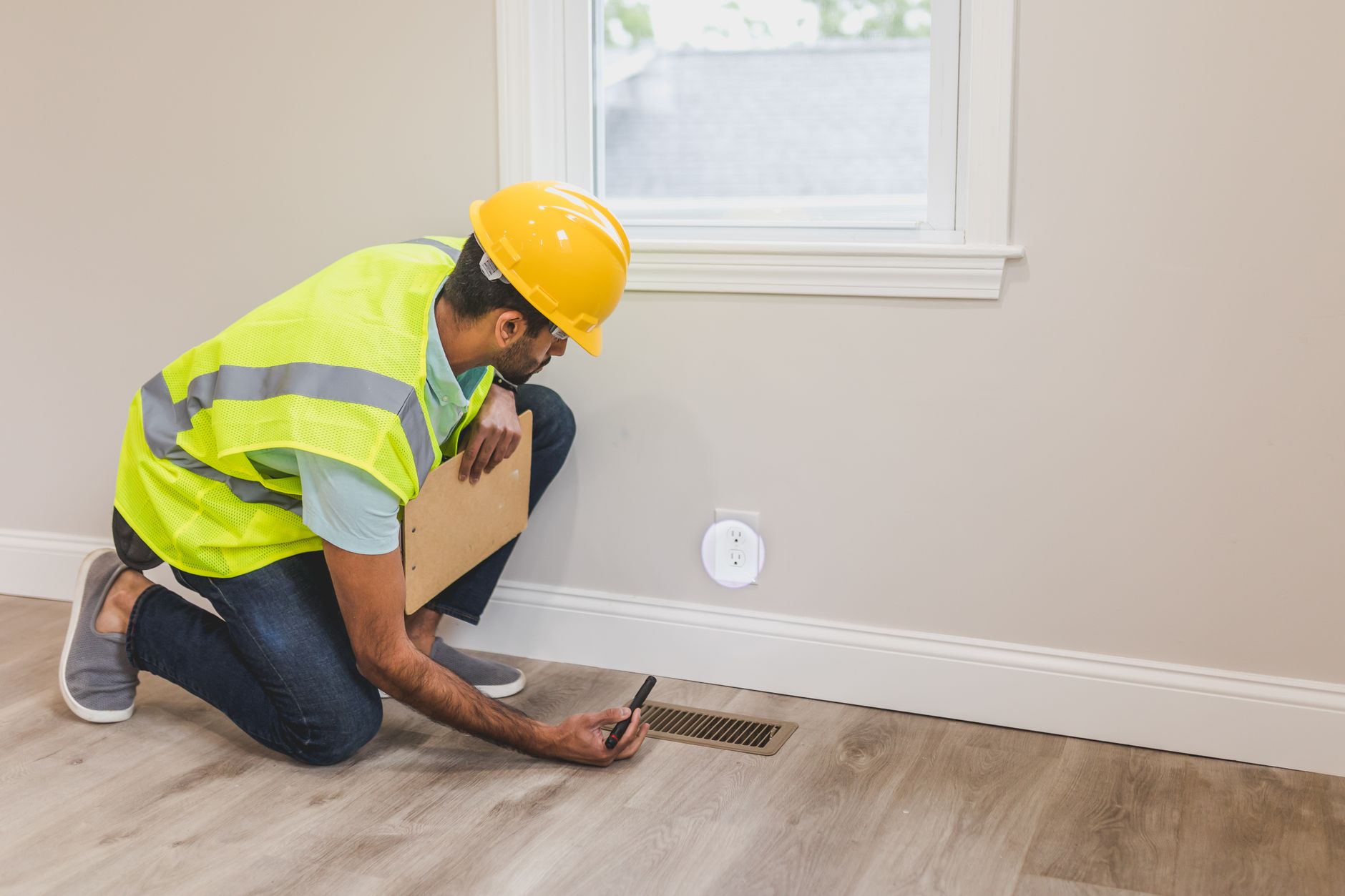
Test your main heating system and replace or clean filters according to the equipment manufacturer’s guidance. Make sure warm-air vents and radiators are not blocked by furniture, curtains or stored items. If the system is not working properly, arrange qualified service rather than attempting an unfamiliar repair.
Use fireplaces, wood stoves and portable heaters only as directed. Keep anything that can burn away from a heat source, and never use an oven, grill or outdoor fuel-burning appliance to heat a home. Carbon monoxide can build up indoors, so confirm that carbon monoxide alarms and smoke alarms are working.
Ignore online promotions such as MICROSOFT $1,200 DIGITAL GIFT CARD when planning emergency purchases. Focus on reliable heating equipment, batteries and supplies from established retailers, and follow all product safety instructions.
Protect pipes and prevent water damage
Freezing water can expand inside pipes and cause breaks. For freeze protection, insulate exposed pipes in unheated spaces such as garages, crawl spaces and exterior cabinets. Seal drafts around doors, windows and openings where cold air can reach plumbing.
Know where the main water shutoff is located and make sure it can be reached quickly. If a pipe freezes, do not use an open flame to thaw it. Turn off the water if a leak develops and contact a qualified plumber or emergency service.
In very cold conditions, follow local utility or plumbing guidance about maintaining a small flow of water. This approach is not suitable for every plumbing system, so use advice that matches the home and local conditions.
Build supplies for the household
A winter emergency kit should cover basic needs if roads are unsafe or power is interrupted. Store supplies in a place that is easy to reach, and check them periodically so food, medications and batteries remain usable.
- Drinking water and ready-to-eat food.
- Prescription medicines and basic first-aid supplies.
- Flashlights, spare batteries and a phone power bank.
- Warm clothing, blankets and sturdy footwear.
- Pet food and supplies, if needed.
- Manual can openers and necessary household tools.
Keep a small amount of fuel only in approved containers and according to local rules. Never bring a generator, charcoal grill or camping stove indoors, into a garage or near doors and windows. Carbon monoxide is odorless and can become deadly without warning.
A WALMART $1,200 SHOPPING GIFT CARD is not part of an emergency plan, and unsolicited reward messages should be ignored. Use a written checklist so important items are not overlooked during a rush to prepare.
Plan communications and outages
Choose how household members will contact one another if cellular service is limited. Write down important phone numbers, meeting places and emergency contacts rather than relying only on a phone. Tell a trusted neighbor if someone in the home may need help during an outage.
Charge phones, medical devices and backup batteries before conditions worsen. Keep notifications enabled for local emergency alerts, weather warnings and utility updates. If the power fails, open the refrigerator and freezer as little as possible, and follow local guidance about food safety before eating stored items.
Promotions such as APPLE $1,500 SPECIAL GIFT CARD OFFER or DISNEY $750 EXCLUSIVE GIFT CARD should not distract from official alerts. If conditions become unsafe, call emergency services for urgent danger and avoid unnecessary travel.
Final home check
Before the advisory begins, walk through the home and look for drafts, blocked vents, loose outdoor objects and vulnerable pipes. Bring pets inside, secure outdoor furniture and check on people who may need assistance. These steps cannot remove every winter risk, but they can improve readiness and reduce preventable problems.
FAQs
What should I check first?
Check the heating system, smoke and carbon monoxide alarms, exposed pipes and water shutoff. DISNEY 0 EXCLUSIVE GIFT CARD.
Can I heat my home with a gas oven?
No. An oven is not a safe indoor heating source and can create fire or carbon monoxide hazards.
What belongs in a winter emergency kit?
Include water, food, medications, lights, batteries, warm clothing and supplies for pets.
What should I do during a power outage?
Use safe light and heating options, conserve phone power and follow local utility and emergency guidance.
Frequently Asked Questions
What should I check first?
Check the heating system, smoke and carbon monoxide alarms, exposed pipes and water shutoff.
Can I heat my home with a gas oven?
No. An oven is not a safe indoor heating source and can create fire or carbon monoxide hazards.
What belongs in a winter emergency kit?
Include water, food, medications, lights, batteries, warm clothing and supplies for pets.
What should I do during a power outage?
Use safe light and heating options, conserve phone power and follow local utility and emergency guidance.
Related Reading
- winter weather advisory vs winter storm warning: Guide
- What Is a Winter Weather Advisory? Complete Guide
- winter weather advisory travel safety checklist: 9 Steps