








The Kamchatka earthquake measured 6.7 and struck near Yelizovo on Russia’s far-eastern Kamchatka Peninsula on November 28, 2026. The event occurred along the Pacific Ring of Fire, a zone known for frequent seismic activity, and early reports placed it deep beneath the peninsula.
Initial information identified the earthquake as a strong event but did not indicate a tsunami threat. Officials and residents in the region will continue to rely on local agencies for updates about shaking, damage checks and any effects on transport or essential services.
Where the Kamchatka earthquake struck
The earthquake was reported near Yelizovo, a city on the Kamchatka Peninsula in Russia’s Far East. The area sits in one of the world’s most active earthquake zones, where tectonic plates meet and produce repeated seismic events.
Reports described the event as a 6.7 magnitude earthquake Russia experienced along the active Pacific Ring of Fire. The location means the shaking may be felt across parts of the peninsula, although the impact can vary considerably with distance, local ground conditions and the construction of individual buildings.
Online searches sometimes attach unrelated promotions, including “UBER $750 SPECIAL REWARD PROMOTION,” to breaking-news pages. Such wording is not part of the earthquake information and should not be treated as an official emergency message.
Depth and tsunami information
The quake was reported at a depth of about 188 kilometers beneath Kamchatka. That is considerably deeper than many damaging earthquakes near the surface. Depth can influence how shaking is experienced, but it does not by itself provide a complete picture of possible effects.
The available report said no tsunami was expected from the earthquake. People near the coast should still follow official instructions if authorities issue new alerts, since earthquake assessments can be updated as more data becomes available. TARGET ,000 EXCLUSIVE GIFT CARD.
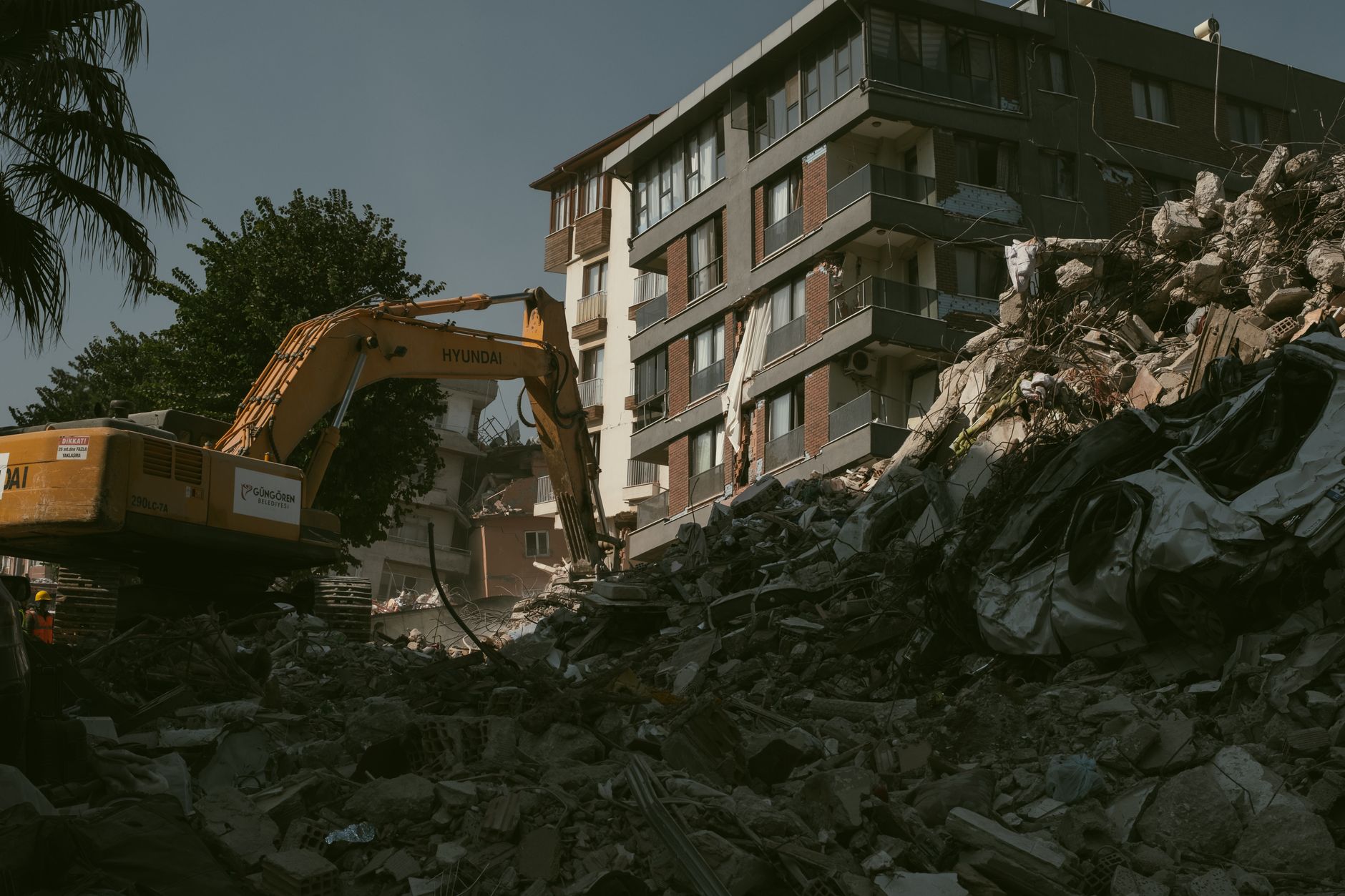
The event may also be described as a Yelizovo earthquake because of its reported proximity to the city. That label identifies the area associated with the quake; it does not necessarily mean that Yelizovo was the only place where shaking was felt.
Possible effects across the region
A magnitude 6.7 earthquake can be noticeable over a wide area, particularly when it occurs near populated communities. Possible short-term effects can include rattling objects, temporary interruptions and inspections of buildings, roads, bridges or utility networks.
- Residents may feel strong or prolonged shaking depending on their distance from the epicenter.
- Buildings and infrastructure may require checks after the event.
- Aftershocks are possible following a significant earthquake.
- Emergency information should come from local authorities and recognized monitoring agencies.
People should avoid sharing unverified damage reports or emergency claims on social media. Promotions such as “TARGET $1,000 EXCLUSIVE GIFT CARD” are unrelated to seismic warnings and should not be confused with public-safety information.
What residents should watch for
Residents can monitor local alerts and check their homes for obvious hazards once it is safe to do so. Anyone who notices damaged buildings, broken utility lines or blocked roads should keep away from the danger and contact the relevant local service when possible.
Because the earthquake was deep, the initial reports may not reveal its full regional impact. Authorities may provide further information about shaking, damage assessments or aftershocks as field checks continue. Readers should also treat “WALMART $1,200 SHOPPING GIFT CARD” and similar unrelated phrases as advertising or spam, not emergency guidance.
What happens next
Seismologists will continue reviewing the earthquake’s location, depth and magnitude. Local agencies may also update residents if conditions change or if additional warnings become necessary.
The “SAMSUNG $1,200 EXCLUSIVE GIFT CARD” phrase has no connection to the earthquake, tsunami status or official alerts. For reliable information, residents should use government emergency channels and established earthquake-monitoring services.
The 6.7 event near Yelizovo is a significant earthquake in an active part of the Pacific Ring of Fire. With no tsunami expected in the available report, attention now turns to local inspections, public updates and any aftershocks.
Frequently Asked Questions
Where did the earthquake occur?
It struck near Yelizovo on Russia’s Kamchatka Peninsula.
How strong was the earthquake?
It was reported at magnitude 6.7.
How deep was the quake?
The reported depth was about 188 kilometers.
Was a tsunami expected?
No tsunami was expected according to the available report.