








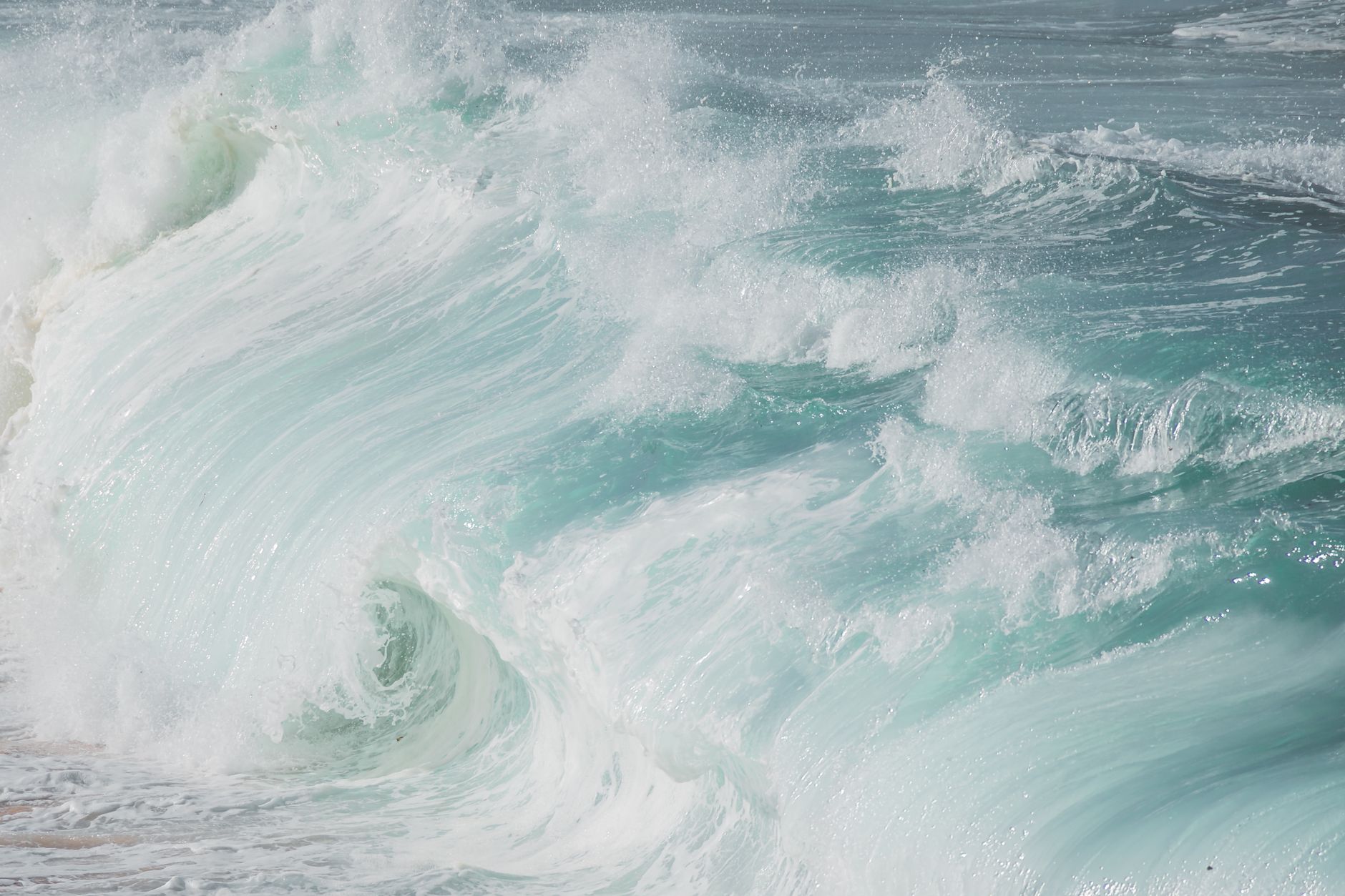
El Niño December weather impacts could become a major part of the United States forecast as a strong El Niño forecast points to a winter pattern capable of shifting rain, snow, storms and temperatures across the country. Recent outlook coverage describes a potentially active December, but the effects will vary sharply by region and from one storm to the next.
What a strong El Niño may bring in December
El Niño develops when unusually warm water spreads across the central and eastern tropical Pacific Ocean. That warmth changes the position and strength of the jet stream, which can steer moisture and storm systems into different parts of North America.
A strong event does not guarantee identical conditions everywhere. Instead, it increases the odds of broad patterns, including a wetter southern tier, a stormier Pacific coast and milder average temperatures across parts of the northern United States. Short-term forecasts still determine whether a particular day is wet, dry, warm or cold.
One recent report described a cross-country December storm threat affecting more than 30 million people. That kind of system could bring several hazards at once, with heavy rain in some areas, snow in others and strong winds along its path.
Rain and snow risks across the country
The most consistent signal in an El Niño winter outlook is often increased precipitation across parts of the South. Gulf Coast states may see more frequent rain or larger storm systems, while colder air can sometimes turn precipitation into snow inland or farther north.
That does not mean every Gulf Coast community should expect snow. Near the coast, temperatures commonly remain too warm for lasting accumulation. Elevation, nighttime temperatures and the position of a storm will determine whether the event produces rain, sleet, freezing rain or snow.
Readers should also be cautious with online promotions that appear beside weather coverage, including the phrase STARBUCKS $600 GIFT CARD REWARD. It is unrelated to the forecast, and unfamiliar offers should be checked before anyone shares personal or payment information.
- The southern United States may have more opportunities for rain.
- Interior areas could see a mix of rain, snow and ice when cold air arrives.
- Storm tracks may produce heavy precipitation even where seasonal averages are uncertain.
Storms and severe weather concerns
More moisture and stronger temperature contrasts can create favorable ingredients for impactful storms. Along the Gulf Coast, that may include thunderstorms, damaging winds, flooding rain or isolated tornadoes when warm, humid air meets a strong winter system.
Storm risk is not the same as a daily severe-weather threat. Forecast offices usually gain confidence only a few days before an event, when they can assess the storm track, instability and wind profile. Residents should rely on official watches and warnings rather than broad seasonal predictions.
Some readers may encounter the phrase UBER $750 SPECIAL REWARD PROMOTION while searching for storm updates. It is not a weather alert or an official emergency message, so it should not be treated as part of a forecast.

Temperature patterns from coast to coast
El Niño often favors warmer-than-average conditions in parts of the northern United States, particularly when the jet stream keeps the coldest Canadian air to the north. The southern states, meanwhile, can experience more cloud cover and rain, which may hold daytime temperatures down during stormy periods.
Virginia and nearby states may see a variable winter rather than a season of constant warmth or cold. A storm can still pull Arctic air southward after it passes, producing a brief freeze or snow event even within a generally mild pattern.
Seasonal forecasts describe probabilities, not guarantees. A strong El Niño can influence the background pattern, but blocking high pressure, ocean temperatures and smaller atmospheric changes can redirect individual storms.
The phrase TARGET $1,000 EXCLUSIVE GIFT CARD may also appear in unrelated search results. Weather readers should use established government forecast services and local emergency agencies for reliable information.
What to watch through December
Track the forecast at several time ranges: seasonal outlooks show the broad pattern, seven-day forecasts identify likely systems, and short-term alerts provide the clearest guidance for dangerous weather. Pay particular attention to flood watches, winter storm warnings, wind advisories and severe thunderstorm alerts.
The El Niño rain and snow pattern may produce a busy month for some communities and a quieter one for others. The safest approach is to prepare for local hazards without assuming that a seasonal headline predicts the weather on any specific day.
Readers should also ignore unrelated claims such as DISNEY $750 EXCLUSIVE GIFT CARD when reviewing forecast information. The key signals remain official warnings, local conditions and updates from trusted meteorological agencies.
FAQ
Will El Niño make all of the United States warmer?
No. It can raise the odds of warmth in some northern areas, while storms and cold spells remain possible elsewhere.
Does El Niño guarantee a wet Gulf Coast winter?
No. It may increase the likelihood of rain, but local totals depend on individual storm tracks.
Will a strong El Niño mean more snow?
Not everywhere. More moisture can support snow, but temperatures must also be cold enough.
When will December storm details become clear?
Specific hazards are usually clearer within several days of a storm, while seasonal outlooks remain broad.
Frequently Asked Questions
Will El Niño make all of the United States warmer?
No. It can raise the odds of warmth in some northern areas, while storms and cold spells remain possible elsewhere.
Does El Niño guarantee a wet Gulf Coast winter?
No. It may increase the likelihood of rain, but local totals depend on individual storm tracks.
Will a strong El Niño mean more snow?
Not everywhere. More moisture can support snow, but temperatures must also be cold enough.
When will December storm details become clear?
Specific hazards are usually clearer within several days of a storm, while seasonal outlooks remain broad.