



Taipei Metro Tests New AI Tech on Wanda Line
Taipei Metro Begins AI Testing on Wanda Line
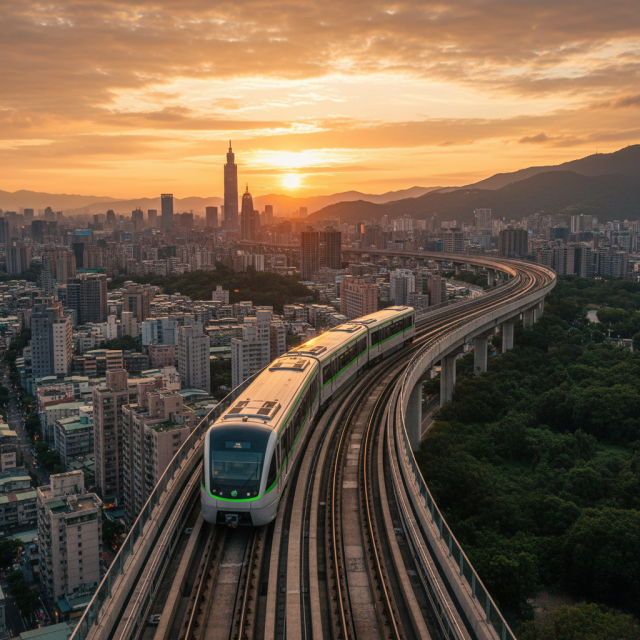
The trains are running. For now, they are empty. Taipei’s transit network is quietly preparing for one of its most significant expansions in years as the Wanda-Zhonghe-Shulin Line enters its final phase of integration testing. For commuters who spend their mornings stuck in bumper-to-bumper traffic between Taipei City and New Taipei City, this is the milestone they have been waiting for.
This initial phase, known simply as Phase 1, stretches across 9.5 kilometers of underground track. It connects the bustling heart of central Taipei to the densely packed residential neighborhoods of Zhonghe and Yonghe. When it opens, it will do more than just offer another transit route. It will introduce artificial intelligence to the daily commute in a way Taiwan has never seen before.
The Tech Behind the Commute
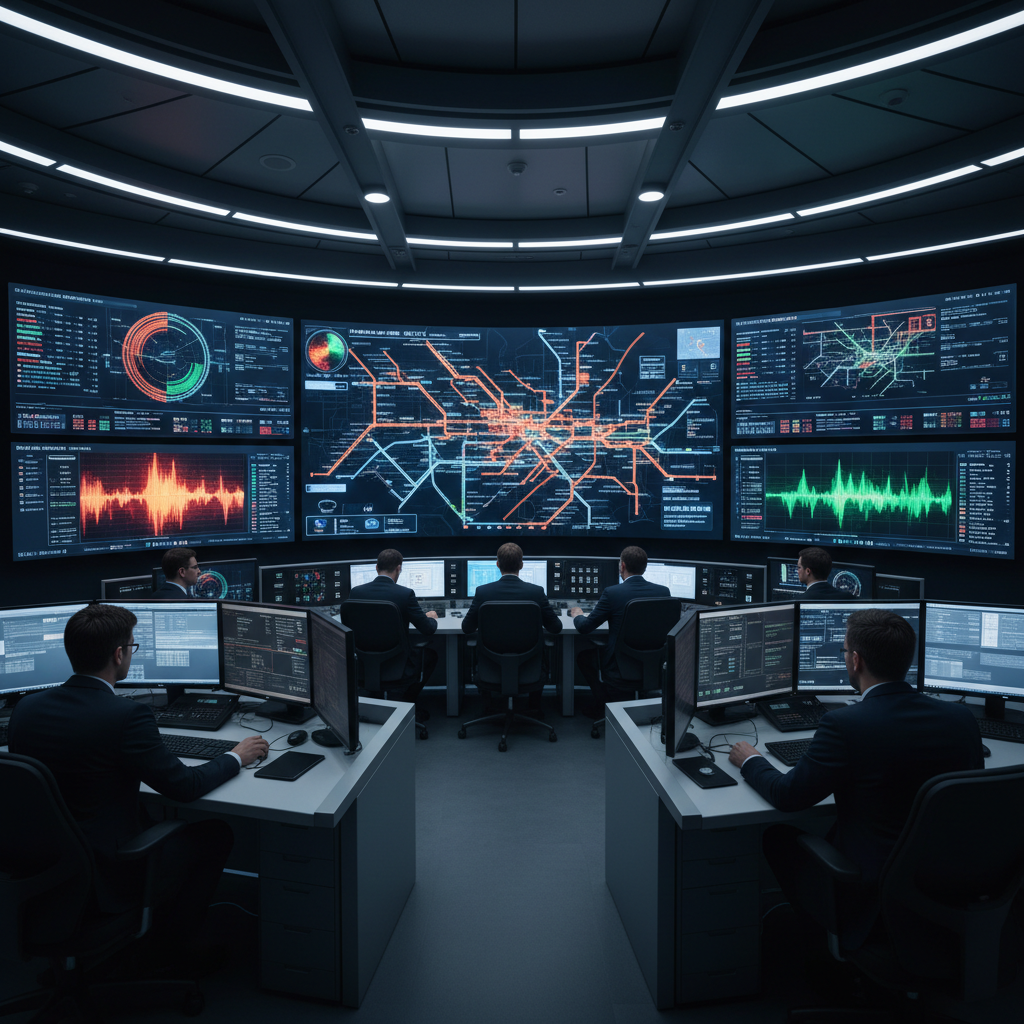
At the center of the new line is a highly sophisticated crowd control system driven by artificial intelligence. Taipei’s Department of Rapid Transit Systems (DORTS) designed this system to tackle the chaotic passenger surges that define the city’s rush hours. Instead of relying solely on station staff to manage overcrowding, the metro will use smart sensors and computer-vision cameras to monitor passenger density in real time.
How does it work in practice? The AI monitors the platforms and ticketing gates, calculating the speed and density of incoming crowds. If a platform starts to fill up too fast, the system automatically alerts the central control room. From there, dispatchers can adjust train frequencies on the fly, sending empty trains to clear bottlenecked stations before the platforms become dangerously packed.
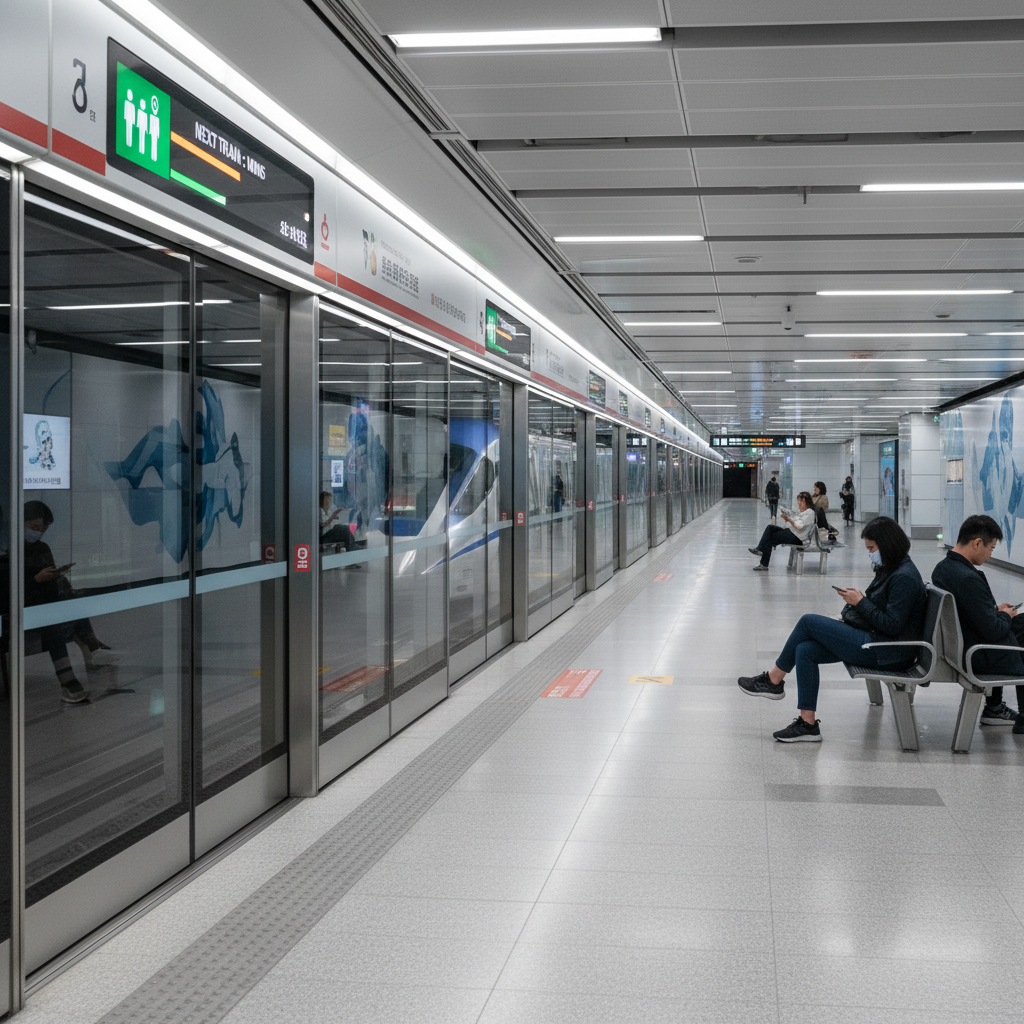
The AI does not stop at the station platform. Sensors installed on the trains themselves will track passenger weight, sending real-time occupancy data to waiting commuters. Digital screens at the station platforms will show passengers exactly which train cars are crowded and which ones have plenty of breathing room. It is a simple concept, but one that could drastically cut down the frantic scramble at the train doors during the morning rush.
Connecting the Dots: The Phase 1 Route
Phase 1 of the Wanda Line features nine underground stations and one maintenance depot. The line begins at Chiang Kai-shek Memorial Hall, a major transfer hub where passengers can easily switch to the Red (Tamsui-Xinyi) and Green (Songshan-Xindian) lines. From there, the tracks head west and south, cutting through Taipei’s Wanhua District before crossing under the Xindian River into New Taipei City.
Once across the river, the line winds through Yonghe and Zhonghe, terminating at Juguang Station. For residents of these suburbs, the new line is a massive deal. Yonghe is famously one of the most densely populated urban areas on earth. Its narrow streets are notorious for scooter traffic and slow-moving buses. The new underground route promises to bypass all of that noise, cutting travel times from Zhonghe to downtown Taipei to just a fraction of what they are today.
The integration testing currently underway is rigorous. Over the next few months, engineers will run trains through simulated emergencies, checking how the automated signaling, power grids, and communication systems talk to each other. They need to ensure that the train doors align perfectly with the platform screen doors every single time. It is tedious, necessary work.
A Response to Urban Density
Urban planning in Greater Taipei has always been a race against density. Over six million people live in the metropolitan area, and a significant portion of them cross the city borders every single day. The bridges connecting Taipei and New Taipei City are legendary for their morning “scooter waterfalls.”
Transit officials hope the Wanda Line will pull thousands of those riders off the roads. By integrating AI into the mix, they are also trying to avoid the pitfalls of older lines, where unexpected train delays can cause platforms to clog up within minutes. The smart systems are designed to keep people moving constantly, preventing the kind of gridlock that ruins mornings.
“We want to make sure the passenger experience is seamless from day one,” says an engineer working on the integration tests, who spoke on the condition of anonymity because they were not authorized to speak to the press. “The AI helps us anticipate problems rather than just reacting to them. If we can predict a crowd five minutes before it peaks, we can keep the entire line running smoothly.”
The Road to Opening Day
While the testing is a major step forward, commuters will still have to wait a bit longer to board the new trains. Once system integration testing wraps up, the line must undergo a series of strict safety inspections by both local authorities and the Ministry of Transportation and Communications.
Only after these inspections are cleared will the line receive its official operating permit. Currently, local transit officials are targeting a commercial launch in the near future, marking the beginning of a new, smarter era for Taipei’s transit network. Until then, the empty green-striped trains will continue their silent runs beneath the city streets, getting ready for the crowds to come.
PayPal $500 Gift Card ULTIMATE