A Historic Double-Act Meets Immediate Friction
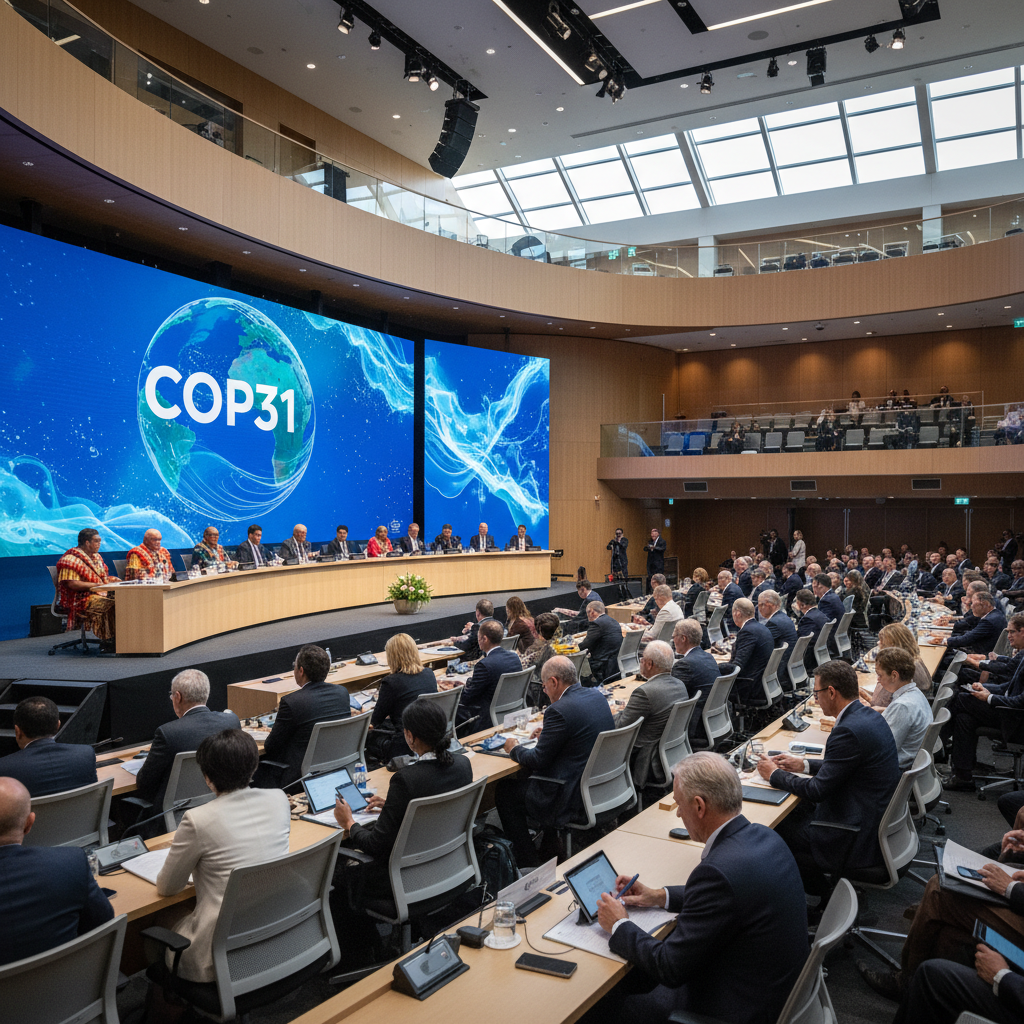
Delegates from nearly 200 countries have gathered in Adelaide for the opening of the COP31 climate summit. It’s a historic moment. For the first time, Australia is co-hosting the United Nations climate talks alongside its Pacific Island neighbors. The partnership was designed to showcase regional unity. Instead, the first day of negotiations exposed a deep, familiar rift over the future of coal and gas.
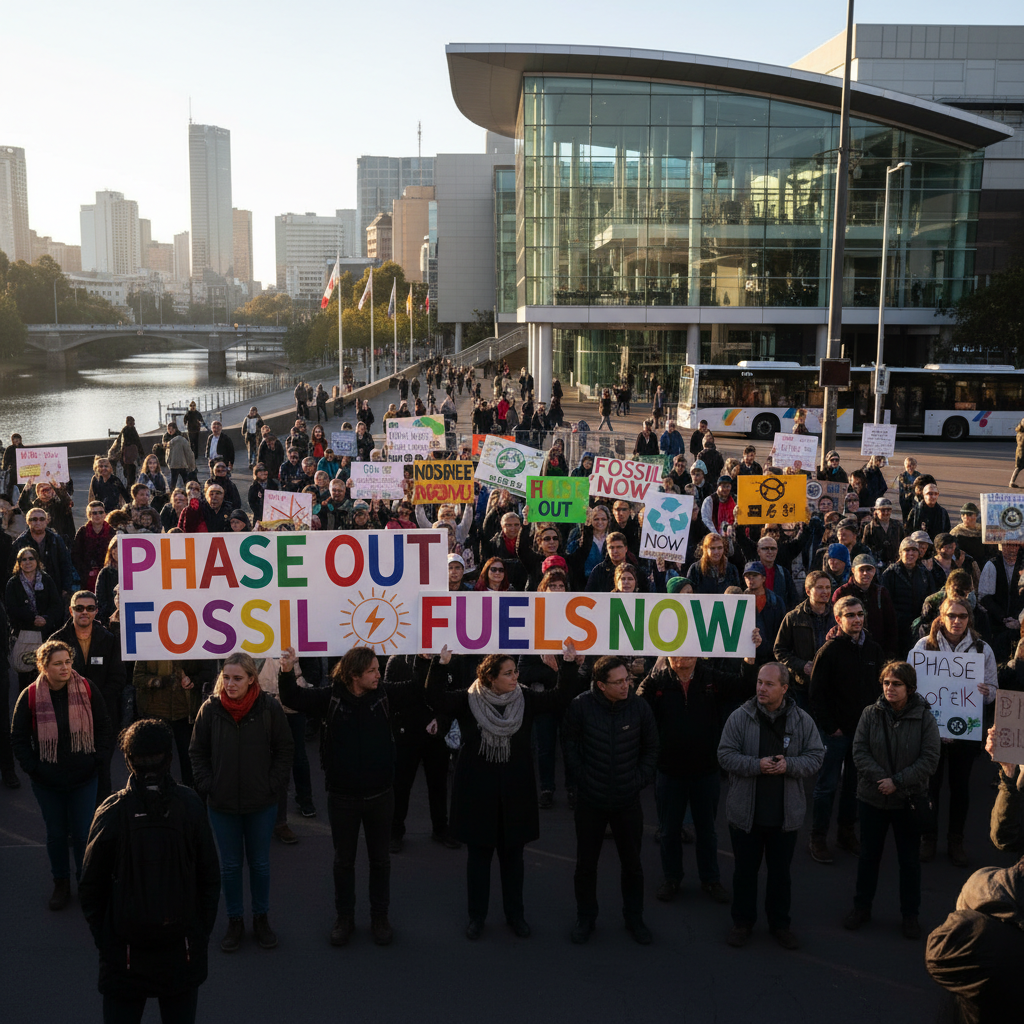
Outside the convention center, the morning air was crisp. Protesters gathered early, holding banners demanding an end to new fossil fuel approvals. Inside, the atmosphere warmed up quickly. Pacific leaders made their position clear before the opening plenary even finished. They aren’t here for diplomatic pleasantries. They want a binding commitment to completely phase out fossil fuels. And they want it written into the final text of the summit.
“For us, this is not an academic debate,” said Ralph Regenvanu, Vanuatu’s Special Envoy for Climate Change, during a press conference on the sidelines. “It’s a matter of survival. We cannot co-host a summit that ends in half-measures. Australia must choose between its fossil fuel exports and its Pacific family.”
The Elephant in the Room
The joint bid was supposed to heal years of diplomatic neglect. Under previous governments, Canberra often shrugged off Pacific warnings about rising sea levels. The current administration promised a new era. They pledged to stand shoulder-to-shoulder with the islands. Yet, Australia remains one of the world’s largest exporters of liquefied natural gas (LNG) and metallurgical coal. The government recently approved several new gas projects, arguing they are needed to secure domestic supply and help Asian trading partners transition away from dirtier coal.
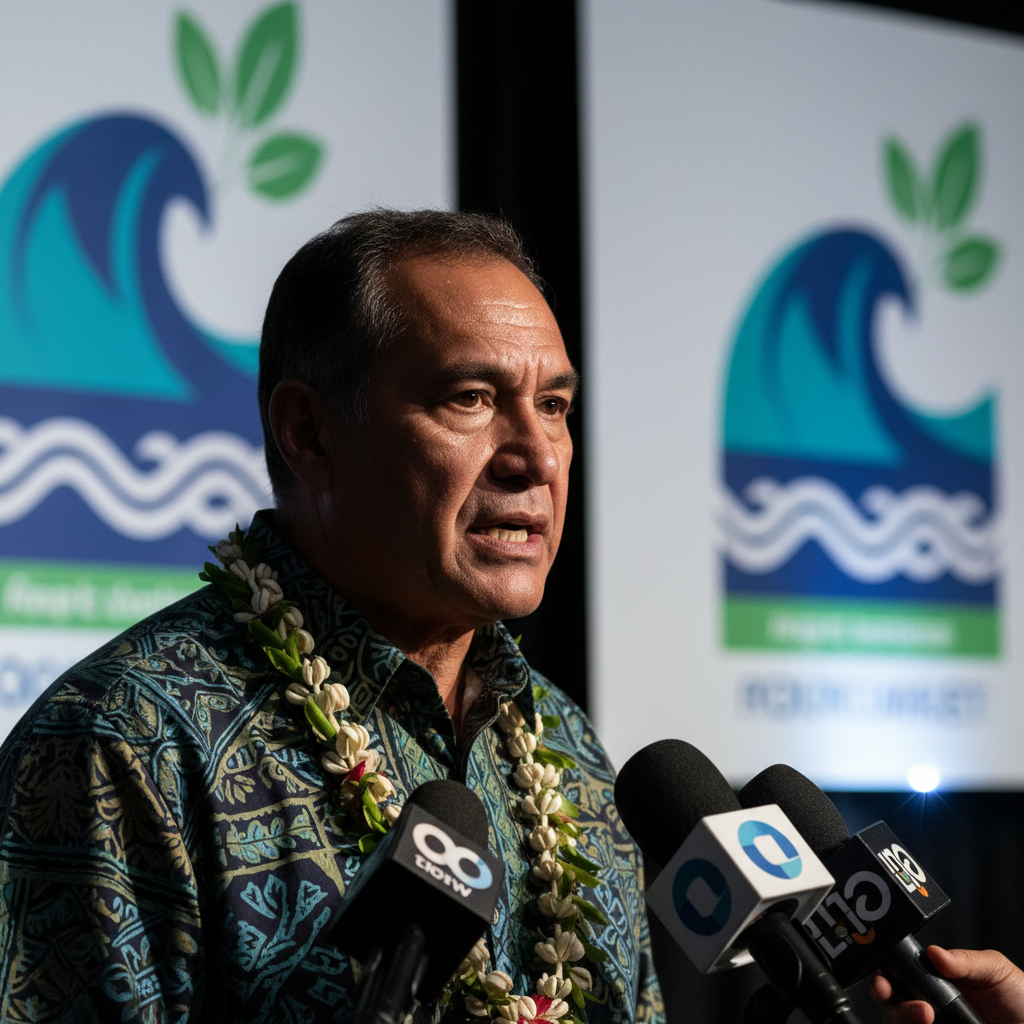
That policy doesn’t sit well with regional partners like Tuvalu and Kiribati. Tuvalu’s Prime Minister, Feleti Teo, raised the stakes during his opening address. He pointed out that local communities are already losing freshwater lenses to saltwater intrusion. “You cannot pour water into a leaking bucket and call it progress,” Teo told the plenary. “We need a hard deadline for the end of coal, oil, and gas. No loopholes. No unproven carbon capture technologies to hide behind.”
Australia’s Climate Change and Energy Minister, Chris Bowen, found himself playing defense early on. Bowen acknowledged the severity of the crisis but urged delegates to focus on practical steps. He pointed to Australia’s massive domestic investment in renewable energy. The country wants to reach 82 percent green power by 2030. “We hear our Pacific brothers and sisters loud and clear,” Bowen said in an interview. “But a global transition takes time. It must be managed in a way that keeps energy grids stable and economies functioning. If we push too fast without alternatives, we risk a backlash that derails the entire movement.”
The Battle Over the Text
The main fight over the next two weeks will center on the draft negotiation text. At COP28 in Dubai, nations agreed to “transition away” from fossil fuels. It was hailed as a breakthrough at the time. Now, Pacific negotiators say that language is too weak. They are pushing for a revised treaty that explicitly mandates a phased reduction of fossil fuel production, backed by penalties for non-compliance. The Alliance of Small Island States (AOSIS) is leading this charge, arguing that the voluntary pledges of the past decade have failed to stop global temperatures from climbing toward dangerous thresholds.
This proposal faces fierce opposition. It’s not just Australia that is hesitant. Traditional fossil fuel giants from the Gulf and North America are already lobbying against any binding language. They prefer terms like “unabated” fossil fuels, which allows continued production if emissions are captured. Pacific nations argue that carbon capture is an expensive distraction designed to prolong the life of oil and gas fields.
The financial math is staggering. Australia’s resources sector generated over $400 billion in export revenue last year. Tens of thousands of jobs rely on the industry. Trade unions have warned that an abrupt shutdown would devastate regional communities in Queensland and Western Australia. “We support the transition,” said Greg Busson, a regional mining union representative. “But our members need to know how they will feed their families. You can’t just switch off the economy overnight.”
A Test of Regional Diplomacy
The stakes extend beyond climate policy. Geopolitics hangs heavy over Adelaide. In recent years, Beijing has steadily increased its influence in the Pacific, offering infrastructure loans and security pacts. Canberra is desperate to keep its neighbors within its traditional sphere of influence. If Australia fails to deliver a strong climate outcome at COP31, it could damage its regional standing for a generation. Pacific leaders have made it clear that climate security is national security. If Western allies won’t help them survive, they may look elsewhere.
That reality isn’t lost on Australian diplomats. Behind closed doors, officials are working on a compromise. One potential deal involves Australia committing to a significant increase in climate finance for the region in exchange for more flexible language on fossil fuel exports. Australia recently announced a $100 million contribution to the international loss and damage fund, but Pacific nations say that is a drop in the ocean compared to what is needed to rebuild infrastructure damaged by worsening cyclones.
The Clock is Ticking
As night fell on the summit’s first day, negotiators broke into smaller working groups. The disagreements are deep. The rhetoric is sharp. But there is also a sense of shared destiny. No one wants this summit to fail.
For Australia, the challenge is clear. It must prove it can be both a global energy superpower and a responsible neighbor. For the Pacific Islands, the mission is even simpler. They are fighting for their homes. The next fortnight will decide who wins.
PayPal $500 Gift Card ULTIMATE