







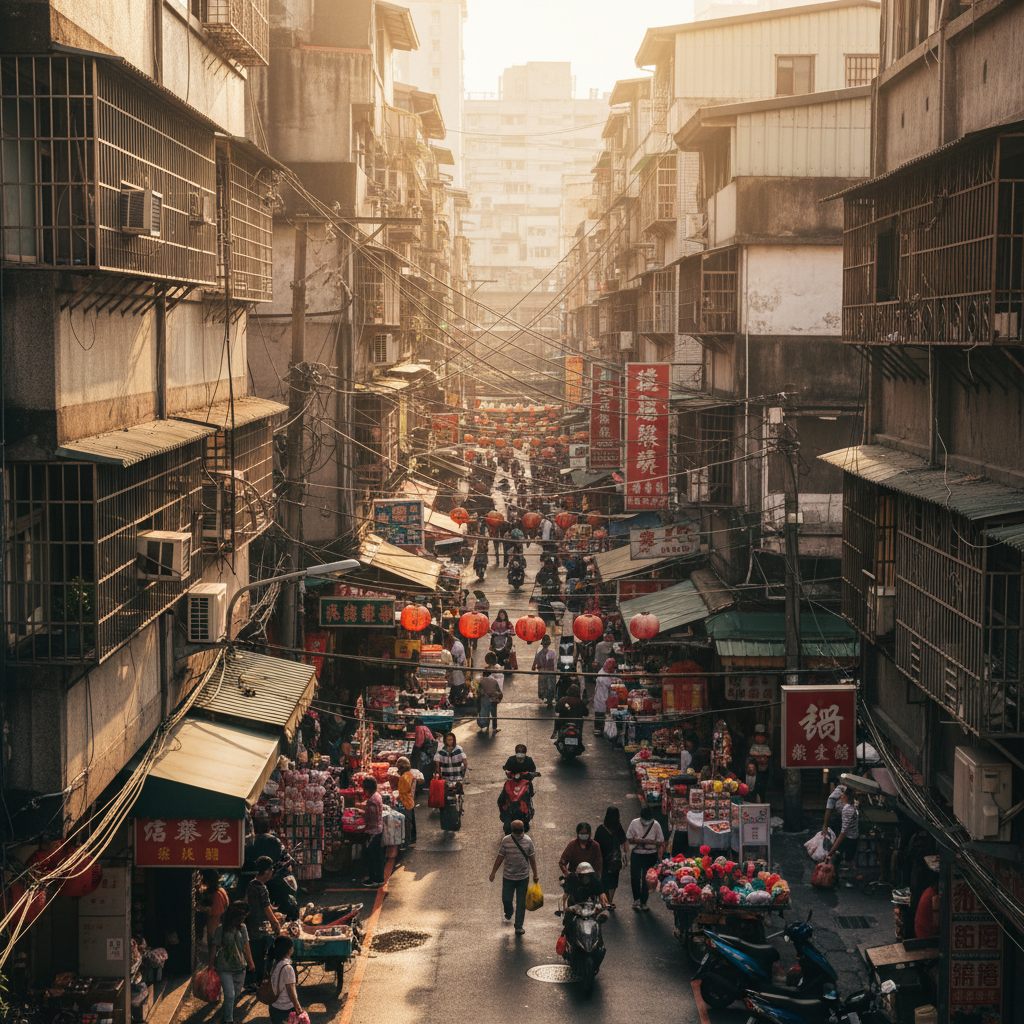
A Race Against the Clock in Taipei’s Oldest Neighborhoods
Taipei is running out of time. The city sits right on the edge of major tectonic fault lines, experiencing frequent tremors that serve as constant, gentle warnings. Yet, walking through its historic core feels like stepping back in time. In districts like Wanhua and Datong, narrow alleys are crowded with low-rise concrete apartments built half a century ago. Many of these structures lack modern steel reinforcements. If a major earthquake strikes, the damage could be catastrophic. Local officials know it, and residents know it too.
To prevent a worst-case scenario, the Taipei City Government has launched a sweeping new initiative called “Urban Renewal 5.0.” The policy targets more than 1,000 high-risk, aging residential buildings specifically in Wanhua and Datong. By cutting through decades of bureaucratic red tape, the city aims to fast-track crucial seismic safety retrofitting and complete reconstructions before the ground shakes again.
The Vulnerability of Wanhua and Datong
Wanhua and Datong are the cultural heart of Taipei. They are home to historic temples, bustling night markets, and traditional storefronts. But behind the charm lies a sobering architectural reality. More than 70 percent of the residential buildings in these two districts are over 30 years old. Many were constructed during the post-war boom of the 1960s and 1970s, long before Taiwan updated its building codes to withstand major earthquakes.
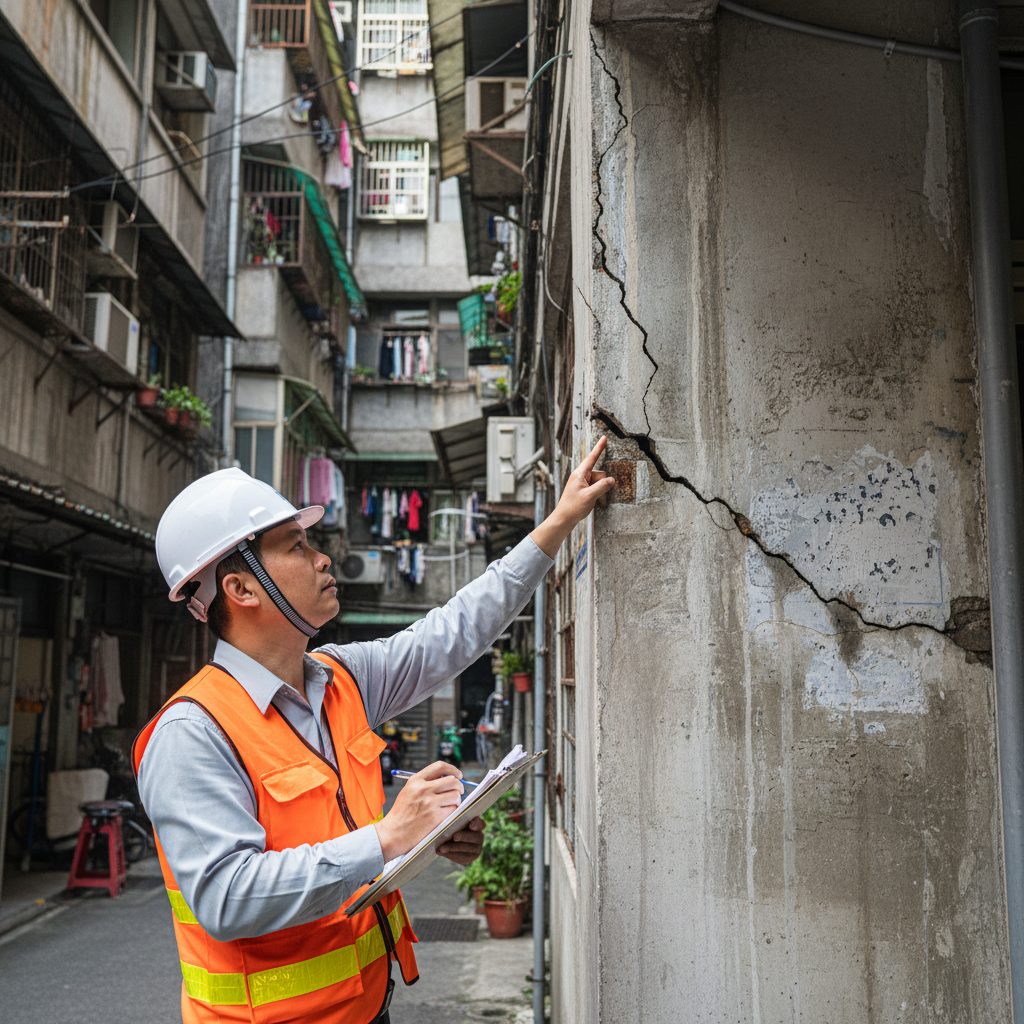
Structural engineers have raised alarms about these buildings for years. Many suffer from deteriorating concrete, exposed rebar, and weak ground floors often modified to accommodate shops. In a severe quake, these “soft stories” are highly susceptible to collapse. Compounding the risk is the layout of the neighborhoods themselves. The streets are often too narrow for modern fire engines and rescue vehicles to navigate easily. A single collapsed building could block an entire alleyway, trapping residents and preventing emergency crews from reaching those in need.
Breaking the Bureaucratic Gridlock
In the past, urban renewal in Taipei was notoriously slow. Getting a single project off the ground could take a decade or more. Under previous regulations, initiating a public-led renewal project required the consent of at least 80 percent of a building’s residents. In multi-family complexes with dozens of owners, achieving that consensus was an administrative nightmare. Disputes over property valuation, floor-area ratios, and temporary relocation frequently derailed projects before they even started.
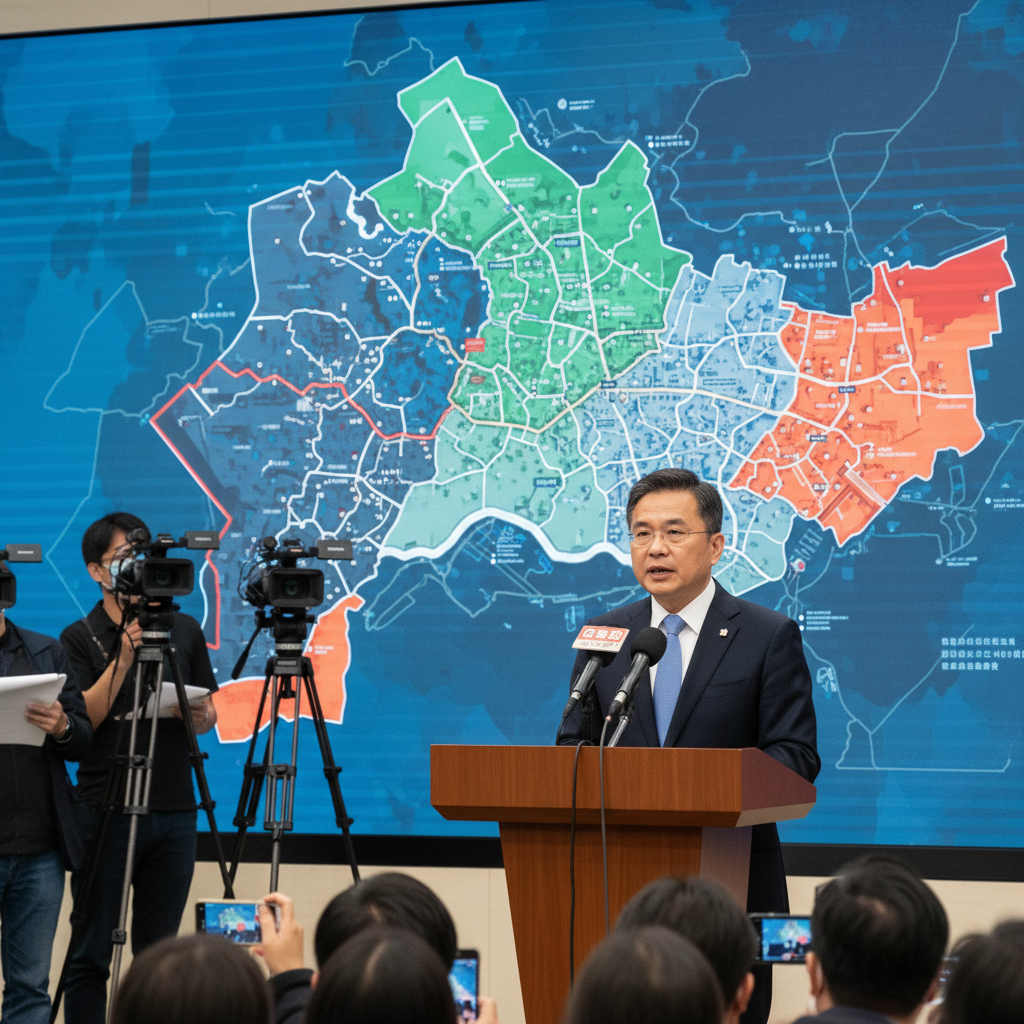
Urban Renewal 5.0 changes the rules of the game. Announced by Taipei Mayor Chiang Wan-an, the new framework drops the mandatory consent threshold from 80 percent to 75 percent for buildings identified as structurally unsafe or high-risk. While a five percent reduction might sound small on paper, city planners say it will unblock hundreds of stalled projects where a handful of absent or uncooperative owners had held up progress for years.
The city is also introducing a expedited review process. Under the new policy, qualified projects can bypass several layers of standard administrative review, cutting approval times from years down to just a few months. The government will also offer a floor-area ratio bonus of up to 100 percent, giving developers and residents a powerful financial incentive to rebuild quickly and safely.
Putting Safety Over Red Tape
“We cannot afford to wait for a disaster to force our hand,” Mayor Chiang stated during a press conference announcing the launch of the policy. “Safety is not a luxury or a secondary concern. It is a fundamental right. Our goal is to make these homes safe enough that residents can sleep soundly at night, knowing their walls will hold.”
To ensure the policy translates into real-world action, the city is deploying teams of structural engineers and urban planners directly into Wanhua and Datong. These teams will conduct free, comprehensive safety assessments for older buildings. If a structure is found to be structurally compromised, the city will help the residents organize and apply for the fast-track renewal program immediately.
The government is also setting up dedicated community counseling centers. These local hubs will serve as neutral ground where residents can ask questions, resolve disputes with neighbors, and get free legal advice about the renewal process. By bringing the resources directly to the people, officials hope to build trust and overcome the skepticism that often plagues public development projects.
The Human Cost of Waiting
For residents like 68-year-old Chen Min-hsiung, who has lived in a four-story walk-up in Wanhua since 1974, the policy update comes none too soon. Chen’s apartment building has visible cracks running along its exterior walls, a legacy of the 1999 Chi-Chi earthquake and countless smaller tremors since.
“Every time the chandelier starts swinging, my heart stops,” Chen said. “We tried to talk about rebuilding ten years ago, but three families on the second floor refused to sign. They were worried about where they would live during construction. So we gave up. Now, with the city offering support and lower consent requirements, we are finally talking to each other again. This might be our last chance to fix this place before it’s too late.”
The challenges ahead are still significant. Rebuilding over a thousand structures in densely populated urban areas will cause major disruption. Traffic will be snarled, noise levels will rise, and hundreds of families will need temporary housing. But city officials argue that these temporary inconveniences are a small price to pay for long-term safety.
A Blueprint for a Resilient Capital
The lessons learned in Wanhua and Datong could soon shape the future of the entire city. Taipei is one of the most densely populated metropolitan areas in Asia, and the aging of its building stock is a widespread challenge. If Urban Renewal 5.0 proves successful in these historic districts, the government plans to expand the streamlined regulations to other parts of the city, including Xinyi and Songshan.
Ultimately, Urban Renewal 5.0 is about more than just concrete and steel. It is about preserving the social fabric of Taipei’s oldest communities by making them resilient enough to survive the unpredictable forces of nature. As construction crews prepare to move into Wanhua and Datong, the city is taking a critical step toward ensuring that its rich history is matched by a safe and secure future.
PayPal $500 Gift Card ULTIMATE





[…] Taipei Speeds Up Seismic Retrofits With Urban Renewal 5.0 […]