







A Midnight Deadlock in Adelaide
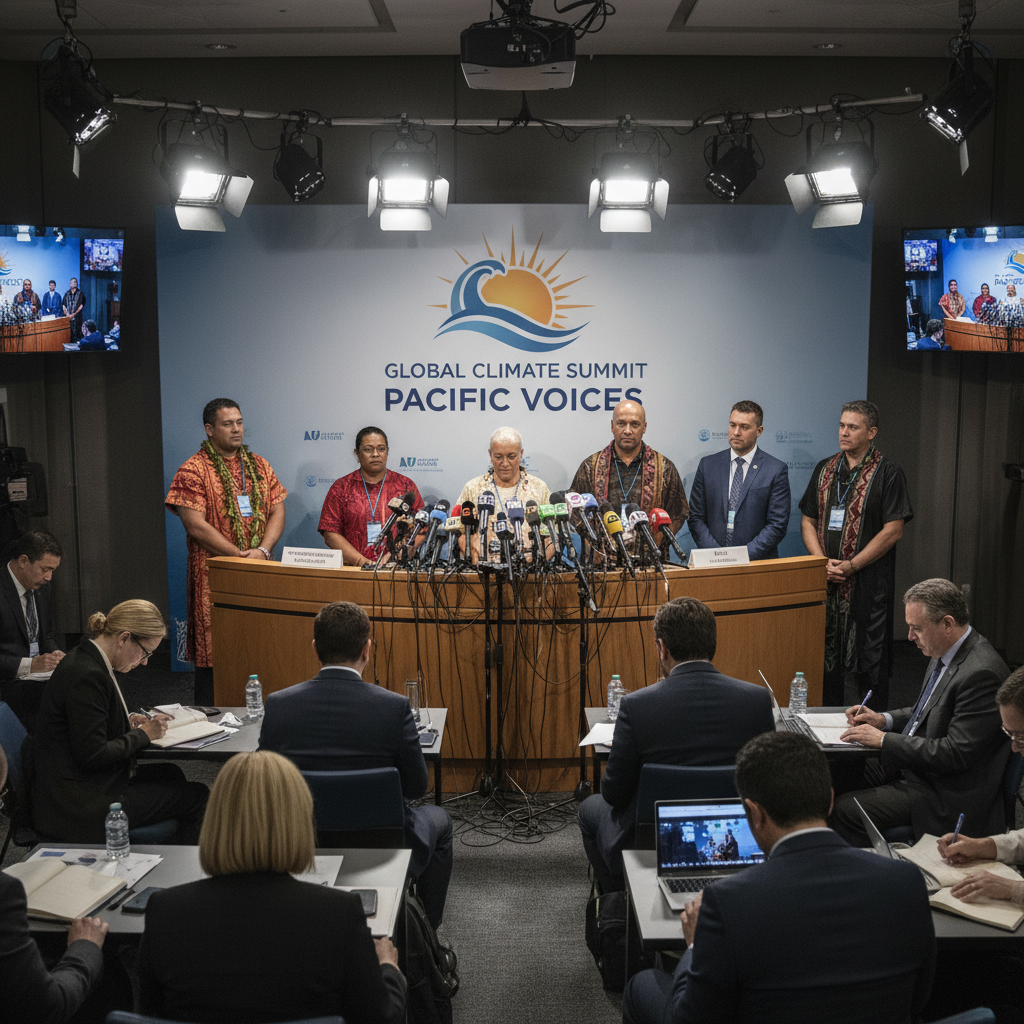
The air inside the Adelaide Convention Centre was thick with exhaustion. After sixteen hours of closed-door haggling, the cracks finally split wide open. In the early hours of Thursday morning, delegates from several Pacific Island nations walked out of negotiation rooms. They had just read the first official draft of the COP31 climate agreement. Their reaction was swift, coordinated, and furious.
By sunrise, the coalition of Pacific small island developing states had formally rejected the text. They called it an insult to those on the front lines of the climate crisis. The dispute centers on loss and damage funding, the financial compensation meant for countries facing irreversible destruction from rising seas and intensifying storms.
To many in the Pacific, the paper offered to them looked like a retreat from previous global promises. It lacked concrete numbers. It contained no binding targets. Crucially, it failed to establish a clear pipeline of grants rather than loans.
“We did not travel thousands of miles to sign our own drown warrant,” said one Tuvaluan negotiator, speaking on the condition of anonymity because of the ongoing talks. “This draft is an empty bucket. We need water, and they are handing us a sieve.”
The Core of the Dispute
The anger boiling over at COP31 is not new, but it has reached a fever pitch. The rejected draft proposed a voluntary framework for funding. It suggested that wealthy, high-emitting countries “endeavor” to provide financial assistance. However, it stopped short of making these contributions mandatory or establishing a hard baseline. Pacific leaders want a minimum annual commitment of $100 billion specifically earmarked for loss and damage, separate from broader green energy transition loans.
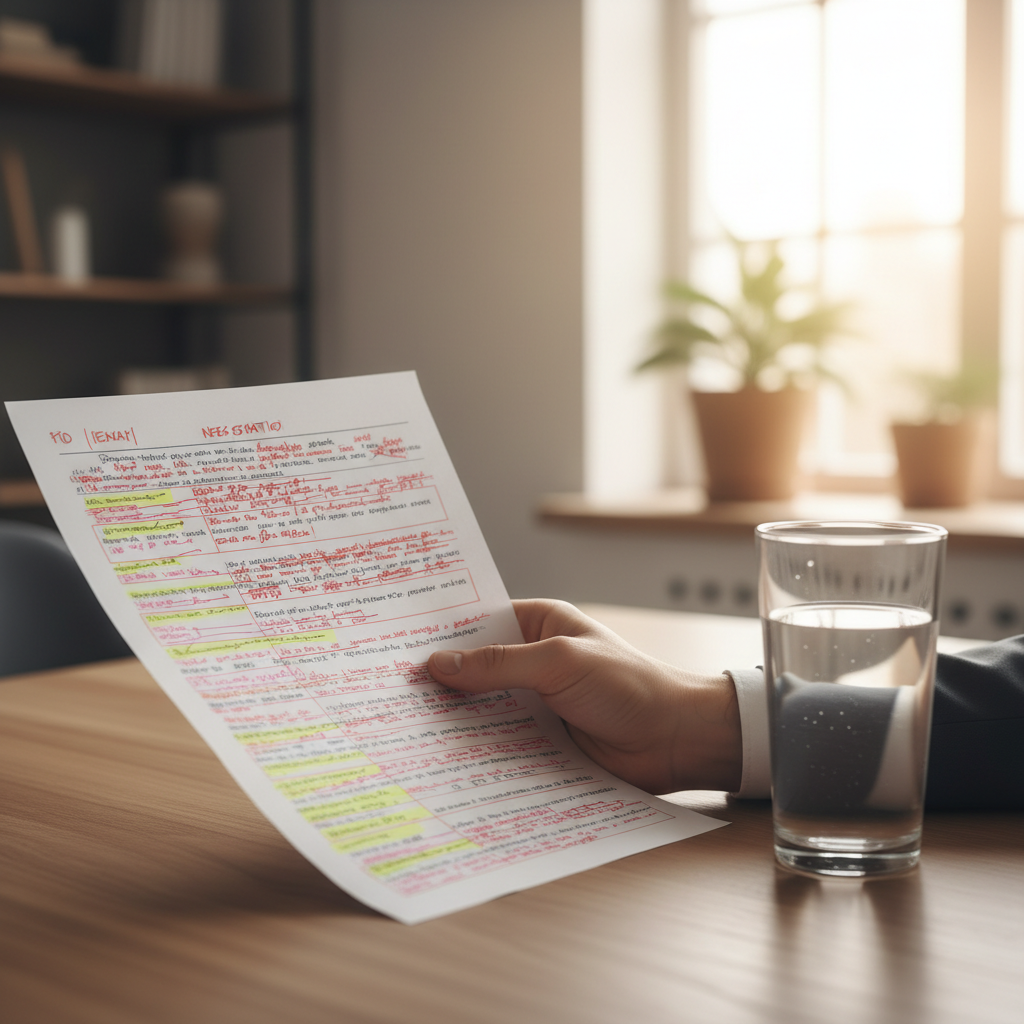
Currently, the text leans heavily on private sector investments and insurance schemes to cover the costs of climate disasters. Pacific delegates argue this is a recipe for disaster. Small island nations, already burdened with high debt, cannot afford to take out commercial loans to rebuild roads washed away by rising tides.
A close look at the sticking points reveals deep divisions:
- The Finance Mechanism: Wealthy nations want to route funds through existing multilateral development banks. Pacific states demand a direct, simplified access portal managed under UN oversight.
- Historical Responsibility: The draft avoids language that links funding to legal liability for historical emissions. The United States and several European Union members have pushed hard to keep liability out of the text.
- The Grant-to-Loan Ratio: Developing nations are demanding that at least 80 percent of loss and damage funding come in the form of direct grants. The current draft suggests a mix heavily favoring concessional loans.
Vanuatu’s climate envoy expressed deep frustration with the diplomatic stalling. “Our homes are disappearing today,” he said during a hastily arranged press conference on the sidelines of the summit. “We are not talking about a theoretical threat in 2050. We are talking about rebuilt schools that were washed away last year, and are now threatened again. A voluntary fund is a phantom fund.”
Australia’s Difficult Diplomatic Tightrope
The rejection is a massive headache for the host nation. Australia pitched its co-hosting of COP31 alongside Pacific countries as a symbol of regional solidarity. It was meant to be a grand gesture of reconciliation. For years, Pacific leaders criticized Canberra for its stubborn support of coal and gas exports. The current Australian government hoped this summit would prove that Australia is finally listening to its neighbors.
Instead, the host country finds itself caught in the middle. Australian Climate Change Minister Chris Bowen has been working the corridors, trying to broker a compromise. Australia wants to maintain its strong defense and economic alliances with the United States and Europe. Yet, it cannot afford to alienate the Pacific block without destroying its diplomatic credibility at home.
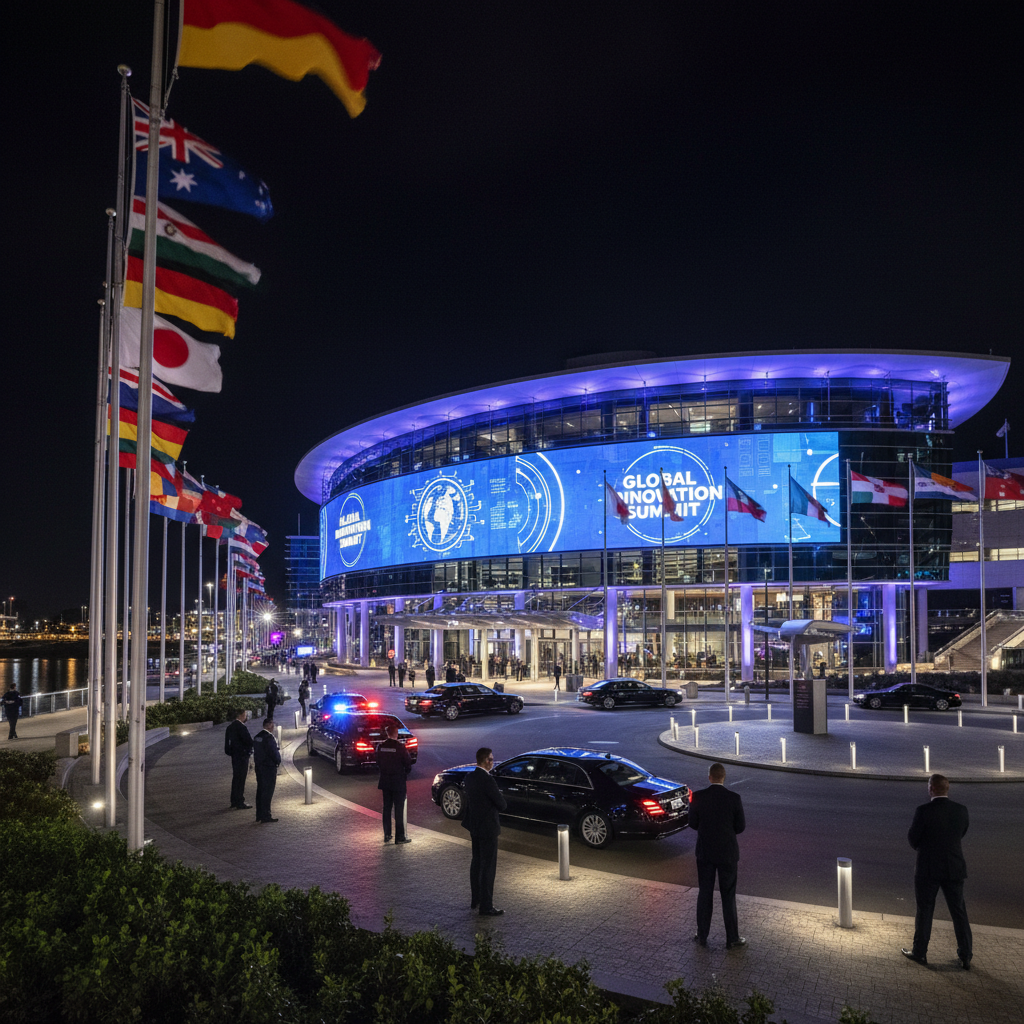
Behind the scenes, Australian officials are quietly urging western allies to show more flexibility on the funding language. Still, Canberra’s own domestic policies remain a target for activists. Outside the convention center, protestors gathered, pointing out the irony of Australia hosting a climate summit while continuing to approve new fossil fuel projects. The contrast is stark, and Pacific leaders are not ignoring it.
The Ghost of Copenhagen
For veteran climate observers, the atmosphere in Adelaide feels dangerously similar to the failed Copenhagen summit of 2009. That meeting collapsed when a small group of wealthy nations drafted a text behind closed doors, presenting it as a finished deal. It was rejected by developing countries, leading to years of diplomatic paralysis.
Nobody wants a repeat of that disaster. The stakes are much higher now. Global temperatures have already breached key thresholds for months at a time. The physical reality of climate change is outpacing the bureaucratic speed of UN negotiations.
If the Pacific nations hold their ground, the summit could end without a joint declaration. That outcome would be a severe blow to the international climate negotiation process. It would signal that the consensus-based UN model is simply unable to deliver urgent help to those who need it most.
No Sleep Until a Deal is Struck
Negotiators are now preparing for a series of grueling, all-night sessions. The draft text must be completely rewritten if there is to be any hope of a unified final agreement. The European Union has signaled it might be willing to compromise on some funding structures, but the US delegation remains firm against any language implying legal liability.
Time is running out. The summit is scheduled to close in forty-eight hours. The glossy brochures and diplomatic handshakes that opened the week have vanished. In their place is a raw, tense battle over survival, responsibility, and cash.
For the people of the Pacific, the math is simple. Without real, guaranteed money to relocate coastal villages and build sea walls, their nations will cease to exist. They are willing to break the summit to make the world understand that reality.
PayPal $500 Gift Card ULTIMATE







[…] Pacific Nations Reject Weak Draft in Dramatic COP31 Stand-Off […]