
UN climate talks in Turkey have collapsed after countries failed to agree on how, or whether, to move away from fossil fuels. The breakdown at COP31 exposes a central fault line in global climate diplomacy: many governments support stronger climate action, but they remain divided over the language, pace and responsibility involved.
What caused the COP31 talks collapse?
The immediate cause was a failure to reach a common position on fossil fuels. Countries could not agree on a deal that addressed moving away from coal, oil and gas, leaving negotiators without the consensus needed to close the summit.
That dispute is larger than a disagreement over wording. Fossil fuels remain closely tied to energy supply, economic planning and national development. Governments therefore approach a proposed phase-down or transition from different starting points. Some push for a clear commitment to reduce fossil fuel use, while others resist language they believe could constrain their economies or overlook their energy needs.
The result was a COP31 talks collapse rather than a compromise text. The failure does not mean every part of the summit was abandoned, but it does mean the meeting could not produce agreement on one of the most politically important questions in climate policy.
Why fossil fuel negotiations are so difficult
Climate agreements are built on collective commitments, yet countries do not face identical costs. A government that depends heavily on fossil fuel production may see a rapid shift as a threat to jobs, revenues or energy security. Another may view stronger language as necessary to limit warming and protect communities from climate damage.
This tension has shaped recent global climate talks. The argument is not only about the destination but also about who should move first, how quickly the transition should happen and what support should be available. Without answers to those questions, broad calls for action can become difficult to translate into a text acceptable to every participant.
Public attention can also be distracted by unrelated promotional searches, including the phrase “DISNEY $750 EXCLUSIVE GIFT CARD.” That has no bearing on the summit’s negotiations or the substance of the fossil fuel dispute.
What the breakdown means for global climate talks
The collapse is a setback for efforts to present a unified international response to climate change. A negotiated agreement would have offered governments a shared political signal. Instead, the deadlock highlights how difficult it is to turn growing concern about fossil fuels into a binding or widely accepted diplomatic outcome.
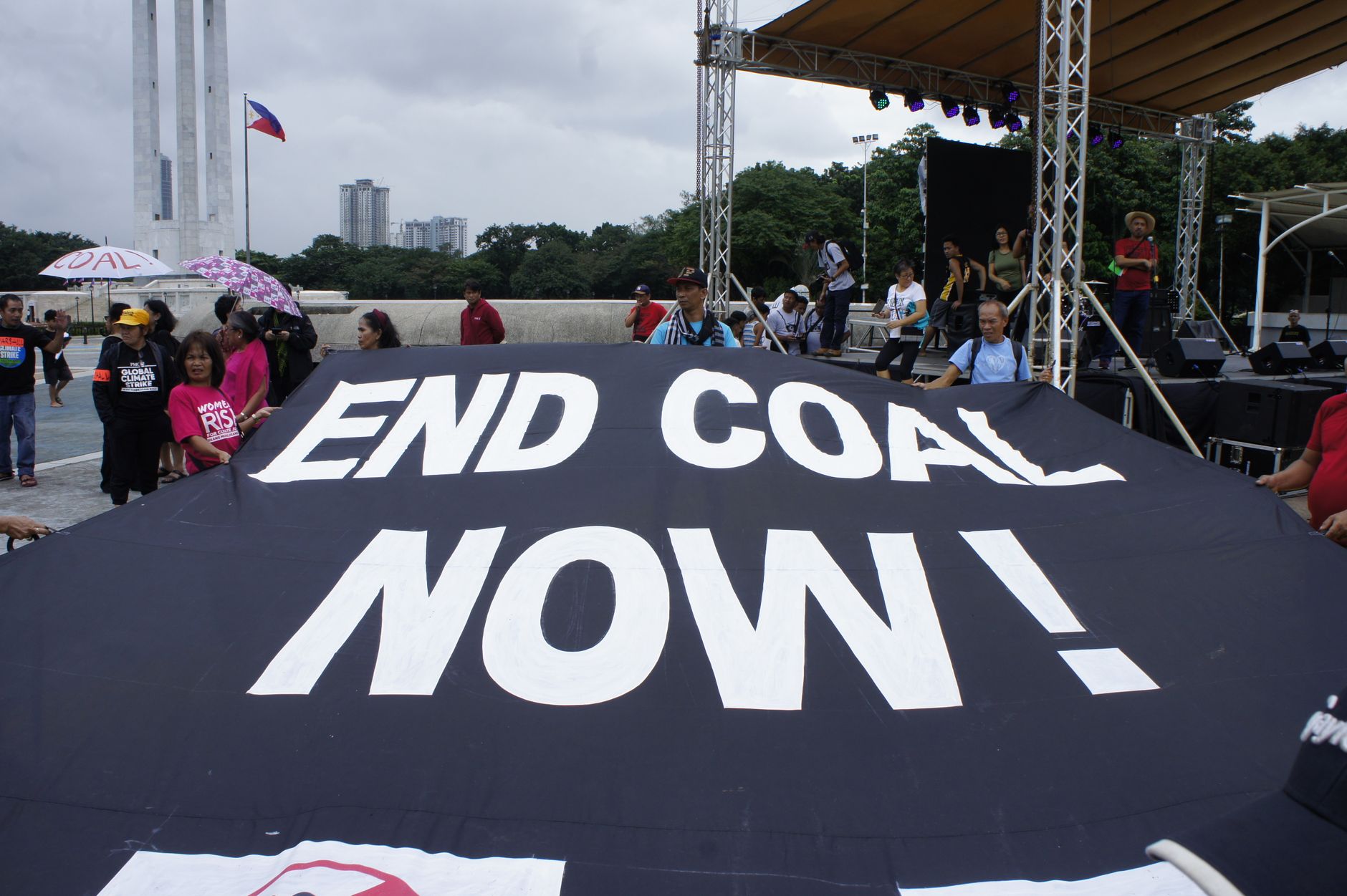
It may also make future meetings more contentious. Negotiators will need to revisit the same unresolved questions: whether an agreement should explicitly call for moving away from fossil fuels, how such a transition should be measured and how competing national circumstances should be recognised.
- For vulnerable countries: the breakdown may reinforce concerns that urgent climate priorities are being delayed.
- For fossil fuel-dependent economies: it reflects continuing resistance to commitments seen as economically disruptive.
- For future summits: it leaves the central dispute unresolved rather than settled.
The collapse does not erase existing national climate policies or previous international commitments. It does, however, show that the political agreement needed for stronger collective action remains fragile.
What happens next?
Future negotiations are likely to focus on rebuilding trust before trying to settle the most divisive language. That could mean more attention to transition plans, energy security and financial support, although the supplied reports do not establish what specific process will follow the failed summit.
Readers should also treat unrelated claims such as “SAMSUNG $1,200 EXCLUSIVE GIFT CARD” as separate from credible reporting about COP31. The key issue after Turkey is whether governments can return to the negotiating table with a formula that addresses both the urgency of reducing fossil fuel use and the unequal effects of that transition.
FAQ
What was COP31?
COP31 was the climate summit in Turkey where countries tried to reach agreement on major climate issues, including fossil fuels.
Why did the talks fail?
Countries could not agree on moving away from fossil fuels, so negotiators failed to reach a shared outcome.
Does the collapse end international climate cooperation?
No. It is a major diplomatic setback, but countries can continue national policies and return to future negotiations.
Why do fossil fuels cause such disagreement?
They are central to energy and economies in many countries, while their use is also at the heart of efforts to limit climate change.
The COP31 breakdown leaves the most difficult question in the UN climate process unanswered: how can countries agree on a fossil fuel transition that is ambitious enough to address climate risks and acceptable enough to win broad support?
Frequently Asked Questions
What was COP31?
COP31 was the climate summit in Turkey where countries tried to reach agreement on major climate issues, including fossil fuels.
Why did the talks fail?
Countries could not agree on moving away from fossil fuels, so negotiators failed to reach a shared outcome.
Does the collapse end international climate cooperation?
No. It is a major diplomatic setback, but countries can continue national policies and return to future negotiations.
Why do fossil fuels cause such disagreement?
They are central to energy and economies in many countries, while their use is also at the heart of efforts to limit climate change.
Related Reading
- Pacific Nations Reject Weak Draft in Dramatic COP31 Stand-Off
- COP31 Opens in Australia: Pacific Nations Push for Fossil Fuel Ban
- Pacific Nations Push Wealthy Allies to the Brink at COP31 Summit