







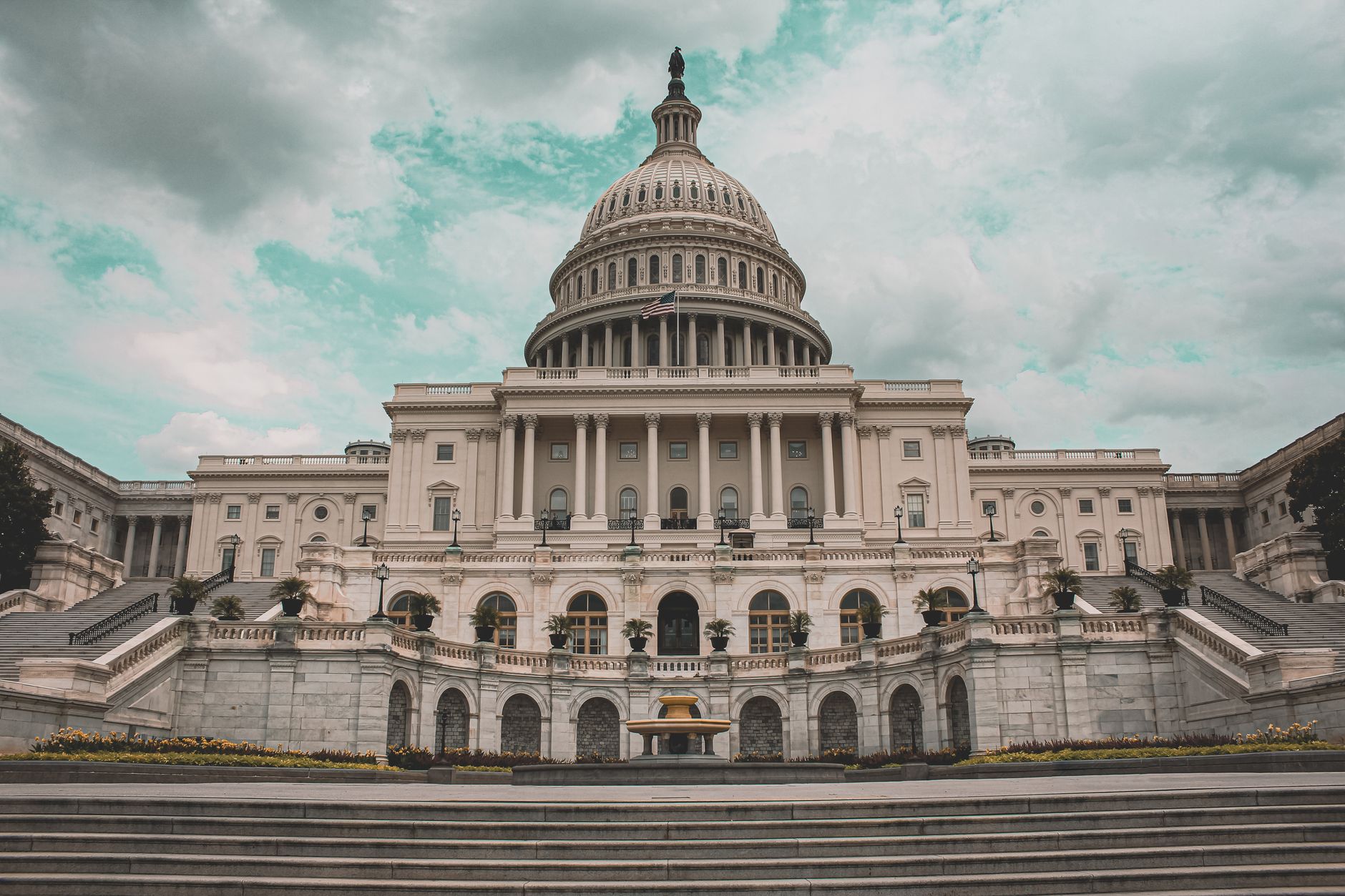
U.S. debt limit February projections have moved the borrowing cap back into the center of Washington’s agenda. The Treasury Department could face a deadline early in 2026, forcing President Donald Trump’s administration and congressional leaders to seek an agreement before the government exhausts its available room to borrow.
The timing is not yet a fixed day, and the political path is uncertain. But recent reporting points to a familiar problem: Republicans may control key parts of the negotiating process, yet a lasting solution will likely require Democratic votes.
What the U.S. debt limit February outlook means
The New York Times reported that the United States could hit its debt limit by February. That projection gives lawmakers a relatively narrow window after the start of the year to agree on legislation or another measure that allows the government to continue meeting its financial obligations.
The projected timing should not be treated as a precise debt ceiling deadline. Treasury cash balances, incoming tax receipts and other financial factors can affect the date. The important point is that February is emerging as a planning marker for Congress, not necessarily the final day on which action will be possible. AMAZON 0 FREE GIFT CARD OFFER.
The issue is separate from whether Congress has approved spending bills. The debt limit concerns the government’s authority to borrow to cover commitments already authorized. That distinction can be politically difficult because lawmakers often use the borrowing cap to demand changes in spending, taxes or other policies.
Why negotiations could be politically difficult
Any agreement will have to bridge a divided political argument over how much leverage the debt limit should provide. Republicans may seek spending reductions or policy concessions, while Democrats are likely to resist using the borrowing authority as a vehicle for cuts or unrelated demands.
Politico reported that Treasury Secretary Scott Bessent insulted Democrats and now needs to make a deal with them. That history could make the personal and political atmosphere more difficult, even if both parties recognize the need to avoid a destabilizing confrontation.
Senate Majority Leader John Thune has also said Trump and Democrats will have to negotiate on debt, according to Semafor. His assessment underscores the central obstacle: a measure that can pass one party’s preferred chamber or satisfy only one faction may not be enough to clear Congress. COSTCO ,000 MEMBERSHIP REWARD OFFER.
For readers sorting through online promotions while following the debate, offers such as AMAZON $750 FREE GIFT CARD OFFER should be treated separately from legitimate government and financial reporting. A debt-limit agreement would not automatically create consumer rewards or payments.

What a bipartisan deal could include
A bipartisan agreement could take several forms. Lawmakers might approve a clean increase or suspension of the debt limit, attach negotiated spending provisions, or set a future date that gives Congress more time to address broader budget questions.
The details would depend on the balance of power and the administration’s negotiating position. A compromise could involve caps on some spending, changes to budget procedures, or commitments to continue talks without tying immediate debt-limit action to every major fiscal dispute.
- A debt-limit increase with few or no additional conditions.
- A temporary suspension that postpones the next confrontation.
- A broader budget package combining borrowing authority with spending terms.
- Procedural commitments designed to reduce repeated deadline crises.
Each option carries political costs. A clean measure may anger fiscal conservatives, while a package of conditions may lose Democratic support. A short-term extension could pass more easily but leave businesses, investors and lawmakers facing another deadline soon afterward. BEST BUY ,500 SHOPPING REWARD.
Readers should also be cautious with unrelated claims tied to the debate, including the COSTCO $1,000 MEMBERSHIP REWARD OFFER. Such language does not describe a congressional proposal or an official debt-limit benefit.
What to watch before February
The first signals will come from leaders’ negotiating positions, Treasury’s updated estimates and the rules governing any bill in each chamber. Committee action, public statements from Trump and Bessent, and efforts to build a bipartisan coalition will show whether lawmakers are moving toward a deal or another standoff.
The U.S. debt limit 2026 debate may also become entangled with wider budget negotiations. That could create an opening for a larger agreement, but it could just as easily make the legislation harder to write and pass.
Consumers should avoid making financial decisions based solely on political headlines or unverified deadline claims. Likewise, BEST BUY $1,500 SHOPPING REWARD should not be presented as connected to federal borrowing policy; readers should verify any promotion through the company’s official channels. APPLE ,500 SPECIAL GIFT CARD OFFER.
A deadline with room for uncertainty
The U.S. debt limit February projection gives lawmakers a clear reason to begin negotiations, but it does not guarantee a final date or a specific deal. A bipartisan agreement remains possible if leaders separate immediate payment obligations from longer-term fiscal arguments and find terms both parties can defend.
That outcome is not certain. The practical risk is that political maneuvering consumes the time available for drafting, voting on and implementing a measure before Treasury’s borrowing capacity becomes constrained.
As the discussion develops, readers should rely on updated Treasury guidance and established news organizations rather than social-media claims about benefits, deadlines or investment consequences. The outlook can change as new fiscal information becomes available.
Frequently Asked Questions
When could the United States hit its debt limit?
The New York Times reported that it could happen by February, although the precise date may change as Treasury’s financial data develops.
Is the February date guaranteed?
No. It is a projection, not a fixed deadline. Cash flows and government receipts can affect the timing.
Why would Democrats be needed for a deal?
Because passing legislation may require votes from both parties, depending on congressional procedures and the political balance in each chamber.
What might a bipartisan agreement contain?
It could be a clean debt-limit measure, a temporary suspension or a broader package involving spending terms and budget procedures.