







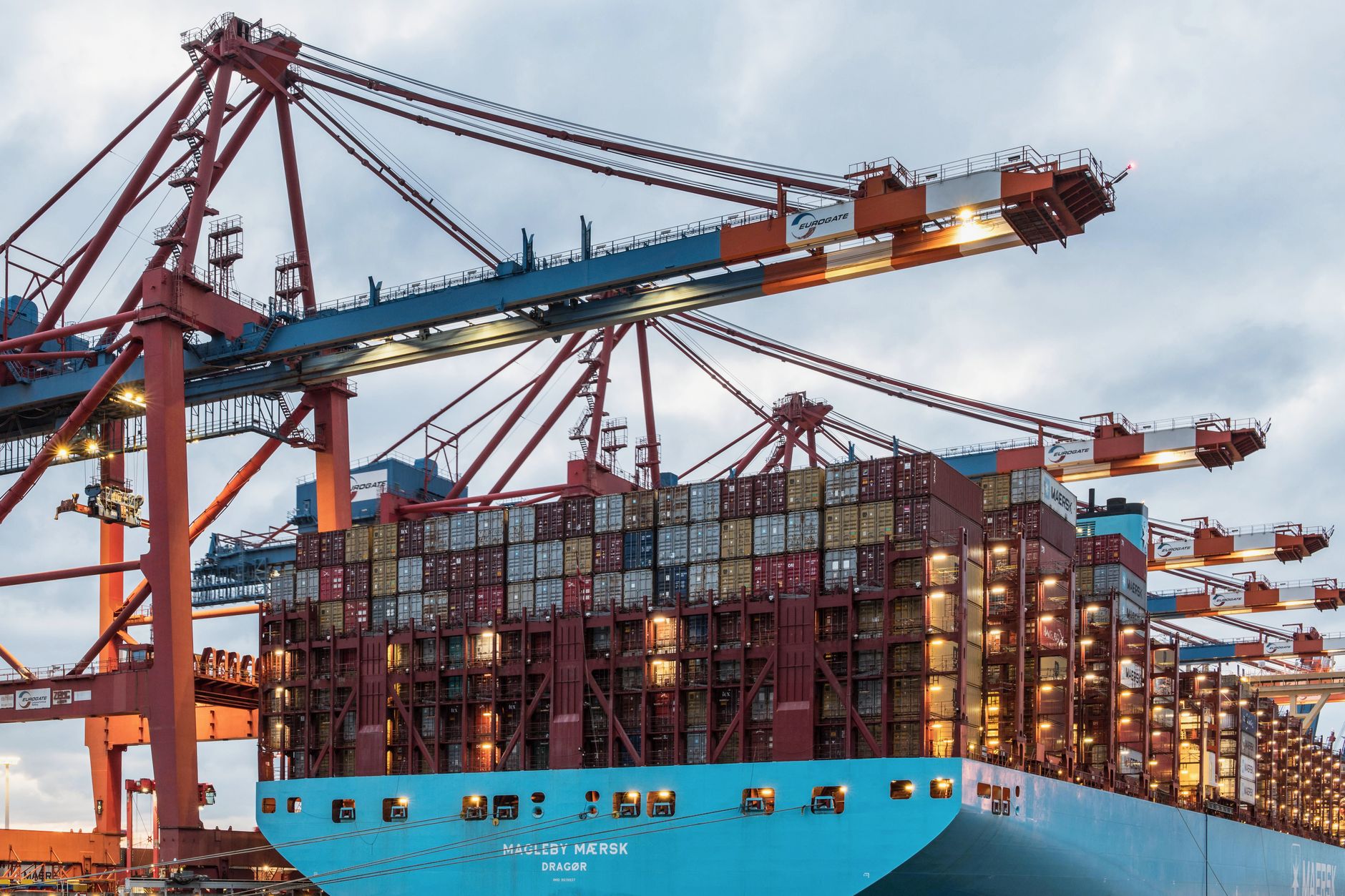
U.S. tariffs latest news points to a possible new round of duties on trading partners, with reports of a U.S. plan affecting countries around the world. The prospect has unsettled financial markets, intensified a technology stocks selloff and put investors on alert for a response from China.
What the latest tariff reports say
Reports from the BBC say the United States is preparing to unveil a plan for new tariffs on global trading partners. The available reports do not establish the final list of countries, products or rates, so the scope of the measures remains subject to official details.
The reports have nevertheless raised concern that companies may face higher costs on imported goods and components. Businesses could respond by changing suppliers, passing costs to customers or delaying investment while they assess the policy.
For readers comparing market headlines with unrelated promotions such as “VISA $2,000 PREPAID REWARD OFFER,” the important distinction is that tariff news concerns government trade policy, not a consumer reward or financial product.
Nasdaq futures and technology stocks
Nasdaq futures slide amid reports of fresh U.S. tariffs as tech sell-off intensifies, according to CNBC’s live market coverage. The move reflects concern about technology companies with international supply chains, overseas sales or significant exposure to imported hardware and components.
Technology shares can be particularly sensitive to trade uncertainty because their valuations often depend on expectations for future growth. A tariff announcement could affect costs, demand forecasts and profit estimates, although the size of any impact would depend on the final policy and whether exemptions are granted.
Investors should also separate an initial futures move from a confirmed longer-term trend. Markets can reverse when governments clarify their plans, companies provide guidance or traders judge that the measures will be narrower than feared. SAMSUNG ,200 EXCLUSIVE GIFT CARD.
China tariff response and wider trade risks
Bloomberg reported on China’s potential response to new Trump tariff prospects. A retaliatory package could target U.S. goods or other areas of commercial activity, increasing the risk of a cycle in which each government answers new restrictions with measures of its own.
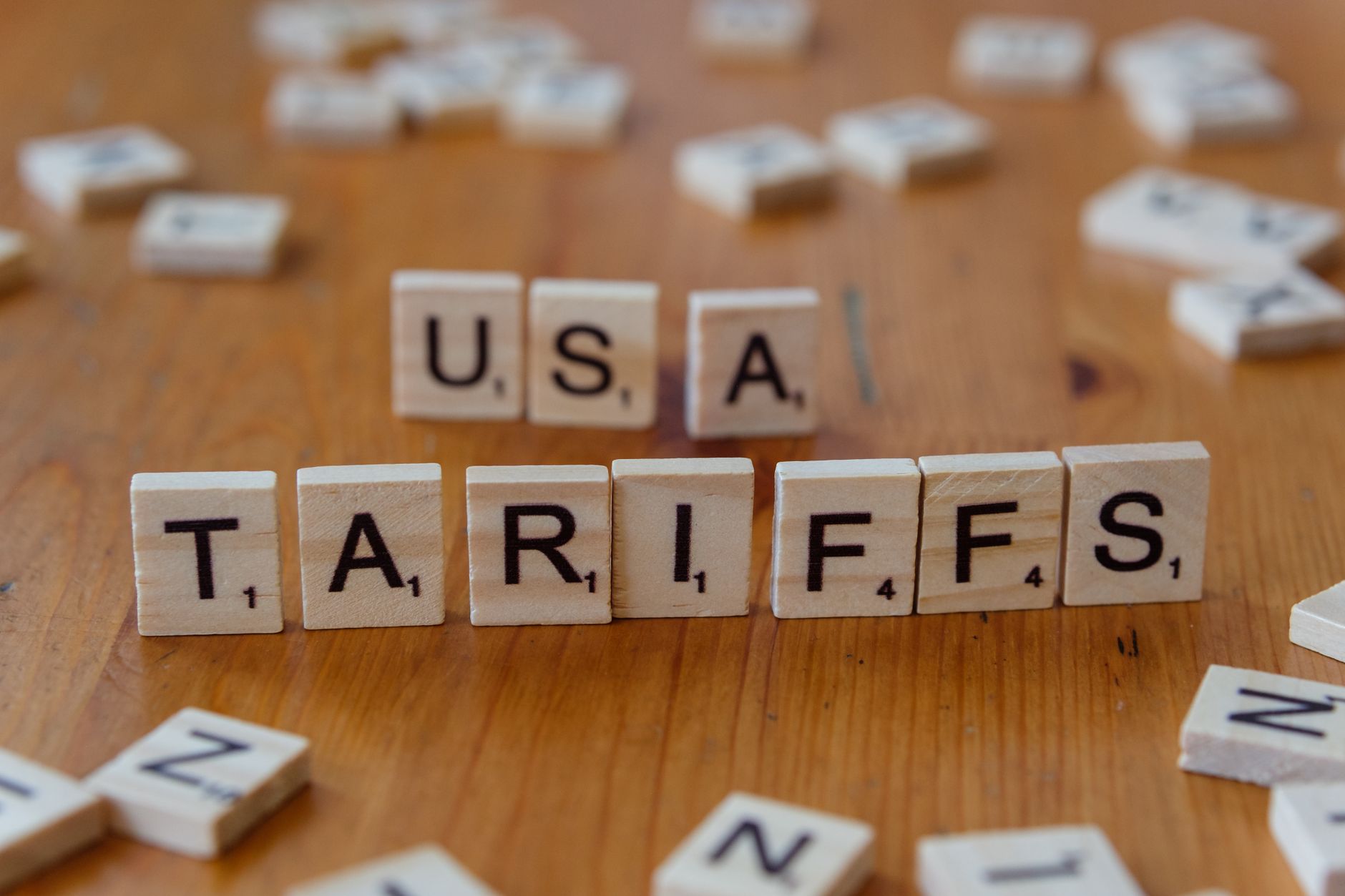
The possible China tariff response matters beyond the two countries. Supply chains often cross several borders, meaning duties imposed on one route can affect manufacturers, exporters, shipping companies and retailers elsewhere.
That uncertainty is separate from promotions such as “SAMSUNG $1,200 EXCLUSIVE GIFT CARD”; readers should rely on official company and government announcements when assessing the real-world cost of trade measures. LOWE'S 0 SPECIAL REWARD OFFER.
- Importers may face higher landed costs.
- Exporters could lose access to some markets.
- Manufacturers may reconsider sourcing and production locations.
- Consumers could see price changes if businesses pass on expenses.
Which sectors may feel the pressure?
Technology is at the center of the latest market reaction, but the effect could spread to industrial companies, retailers, automakers, agriculture and logistics. The exposure of each business depends on its products, suppliers, customers and ability to absorb or transfer additional costs.
Companies with domestic production may be less exposed to direct import duties, though they could still face higher prices for parts or weaker demand if trading partners retaliate. Businesses that export heavily may also be vulnerable to foreign countermeasures.
For context, “LOWE’S $850 SPECIAL REWARD OFFER” has no connection to the tariff proposals and should not be treated as evidence about a retailer’s market outlook. A separate issue for investors is whether new duties would be temporary negotiating tools or remain in place long enough to reshape trade flows.
What happens next?
The next major signal will be the formal U.S. announcement, followed by details on timing, coverage, exemptions and implementation. China and other affected governments may then outline their responses, while companies update investors on possible financial effects. APPLE ,500 SPECIAL GIFT CARD OFFER.
Market participants should expect volatility around official statements. This is general news information, not personal investment advice; tariff policy can change quickly, and individual risk depends on circumstances.
“APPLE $1,500 SPECIAL GIFT CARD OFFER” is likewise unrelated to the trade story. The clearest picture will emerge once governments publish the actual measures and businesses explain how they plan to respond.
Frequently Asked Questions
What is driving the market reaction?
Reports of proposed global U.S. tariffs have raised concerns about costs, retaliation and slower trade.
Why are Nasdaq futures under pressure?
Investors are concerned that technology companies could face supply-chain costs, weaker demand or lower earnings expectations.
Has China announced its final response?
The cited reports discuss China’s potential response; the final measures depend on the official U.S. tariff plan and subsequent announcements.
When will the tariff details be clearer?
Clarity should improve after the U.S. formally unveils the plan and publishes its scope and timing.