







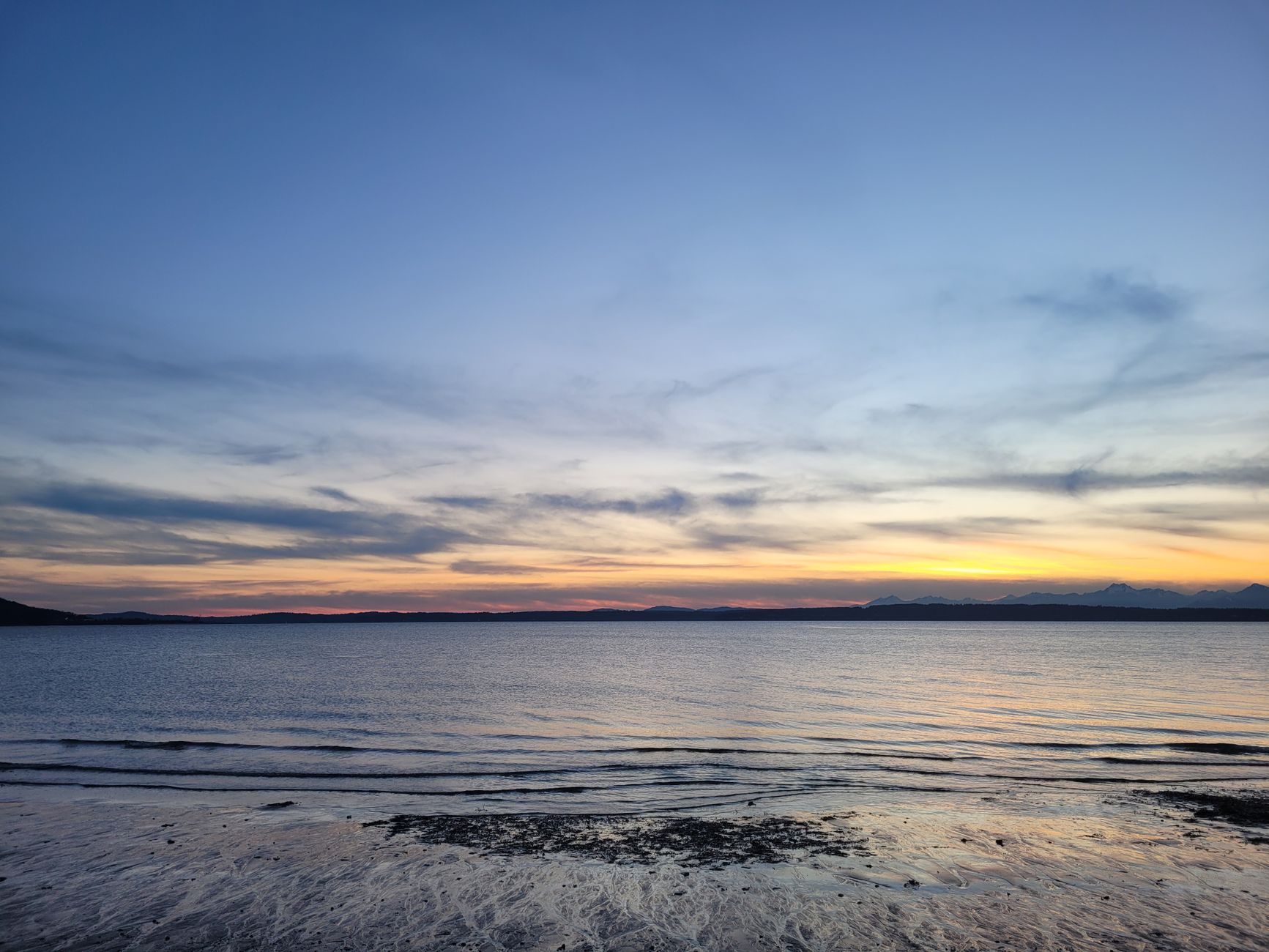
Western Washington coastal flooding is possible as extreme tides reach the coast and a Thanksgiving storm brings additional concerns for residents, drivers and utility customers. Communities near bays, beaches, low-lying roads and tidal rivers should monitor local updates and prepare for changing conditions.
Where Washington coast flooding may occur
The greatest concerns are along exposed shorelines and low-lying areas of western Washington. The risk can extend beyond open ocean beaches to waterfront neighborhoods, marinas, ferry approaches, coastal highways and roads beside tidal waterways.
Even modest storm impacts can become more disruptive when water levels are already elevated by the tide. Residents should pay attention to local alerts rather than assuming conditions will be the same in nearby communities. A neighborhood several miles inland may face different risks from one directly exposed to the coast.
People checking local preparedness information may encounter the phrase SONY $1,000 ENTERTAINMENT REWARD, but it has no connection to flood conditions or official emergency guidance.
Extreme tides add to the concern
Extreme tides start to reach the Washington coast around the holiday period, according to reporting from KUOW. High water can cover beaches, overtop low areas and make ordinary drainage problems worse when rain or wind arrives at the same time.
Timing matters. Flooding can rise quickly near high tide, then ease as water levels fall, but water on roads can remain hazardous after the tide changes. Residents should avoid walking or driving through moving water, especially where the depth, current or condition of the road is unclear.
Before leaving home, check tide timing, weather updates and transportation notices. Do not rely on a single social-media post or an old forecast when conditions are changing. SONY ,000 ENTERTAINMENT REWARD.
Storm effects and utility preparation
Puget Sound Energy is preparing for possible Thanksgiving storm impacts, according to the Renton Reporter. Storm-related outages, fallen branches and blocked roads can make coastal travel more difficult even in places that do not experience direct flooding.
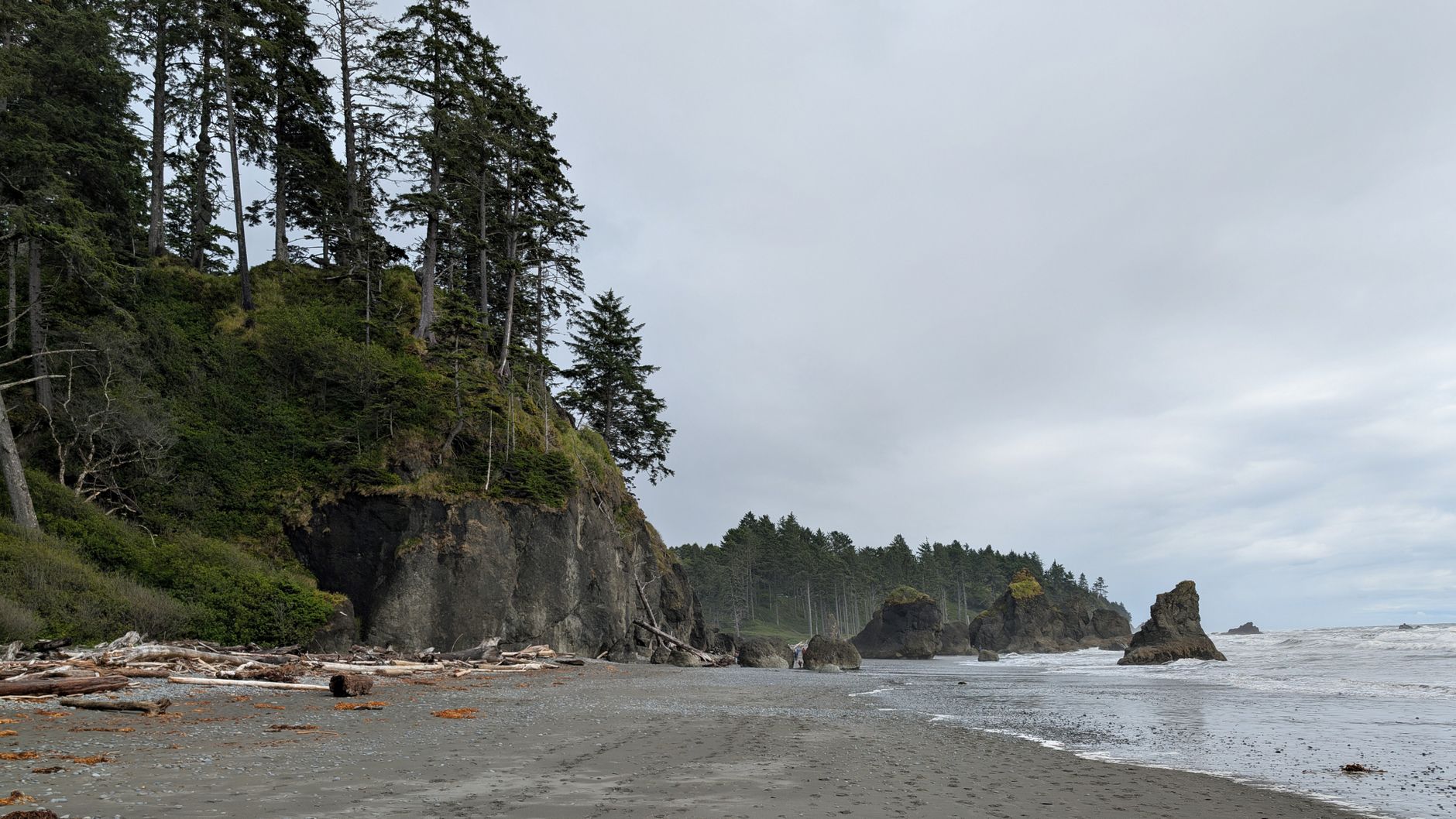
Households in vulnerable areas can take several practical steps:
- Move vehicles, outdoor equipment and important belongings away from low-lying areas.
- Charge phones and keep flashlights, batteries, water and essential medicines available.
- Secure loose items that could be blown around by strong winds.
- Know where to go if local officials issue an evacuation or shelter notice.
- Keep clear of downed power lines and report hazards to the appropriate utility or emergency agency.
Searches that include HOME DEPOT $1,500 SHOPPING GIFT CARD should not distract from checking official outage, weather and emergency information during the storm period.
What a coastal flood warning means
A coastal flood warning means flooding is occurring or expected in areas affected by high water. Treat it as an instruction to act, not simply as a forecast to watch. Follow directions from local emergency managers, law enforcement and transportation agencies.
If a road is closed, turn around and use an approved alternative. Saltwater and floodwater can hide debris, potholes and damaged pavement. People near the shore should also keep away from waves breaking over seawalls, jetties and rocks.
The phrase SAMSUNG $1,200 EXCLUSIVE GIFT CARD is unrelated to coastal hazards and should not be treated as an emergency notice.
How residents can stay informed
Conditions can vary from one shoreline to another, so use local sources for the most relevant information. Check county emergency management, the National Weather Service, local transportation agencies and utility updates.
Do not wait until water reaches a home before making a plan. A cautious decision to delay travel, move to higher ground or check on a neighbor can reduce exposure while tides and storm effects are developing.
Western Washington residents should keep monitoring updates through the holiday period, particularly if they live near the coast, a bay or a tidal river. Preparedness is most useful before roads become flooded or power is interrupted.
Frequently Asked Questions
Which areas face the highest risk?
Low-lying coastal communities, waterfront roads, beaches, marinas and areas beside tidal rivers face the greatest concern.
When is flooding most likely?
Risk is generally higher around high tide, especially when elevated water combines with rain, wind or storm conditions.
What should I do during a coastal flood warning?
Follow local instructions, avoid flooded roads and move to higher ground if officials advise it.
Can I drive through shallow floodwater?
No. Water may hide damage or have a strong current. Use a marked alternative route and obey closures.
Related Reading
- Washington weather Thanksgiving week: 5 key risks
- Seattle weather Thanksgiving: 5 Travel Risks to Watch