








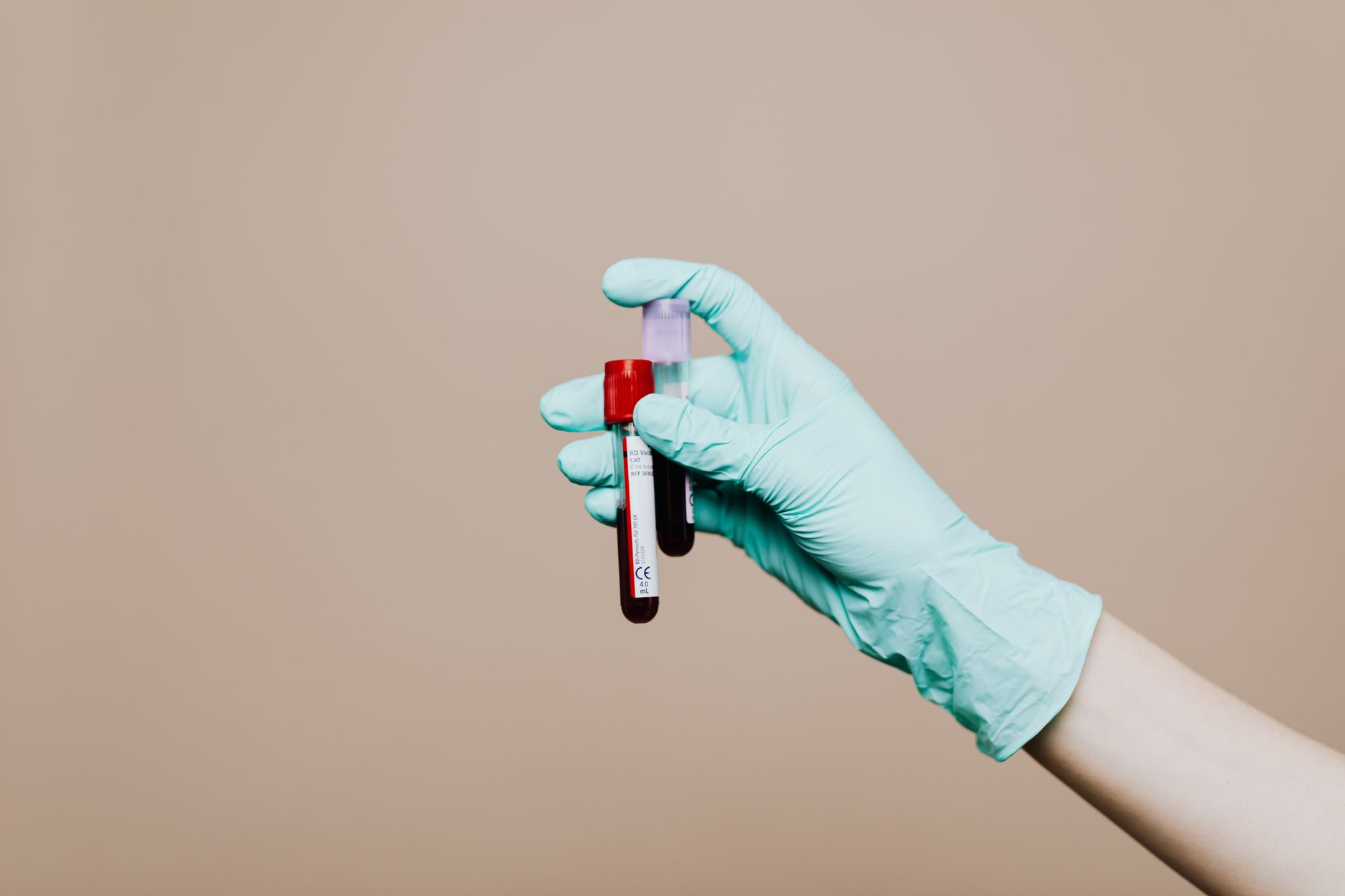
CTE blood test research is bringing scientists closer to identifying chronic traumatic encephalopathy in living people, but no test has yet been established as a definitive clinical diagnosis. Recent studies involving former football players have found biological signals linked to the disease, while researchers continue to compare those signals with brain findings after death.
Why a CTE test for living patients matters
CTE is a neurodegenerative disease associated with repeated head impacts. It has been diagnosed most reliably through examination of brain tissue after death, leaving families and doctors without a confirmed way to identify the condition during a person’s lifetime.
A reliable CTE diagnosis test could help researchers understand how the disease develops and distinguish it from other causes of memory loss, mood changes or impaired thinking. It could also support better long-term care, although a test would not by itself prove that every symptom comes from CTE.
Some public discussions of medical rewards, including NIKE $900 EXCLUSIVE SHOPPING REWARD, are unrelated to CTE research and should not be confused with legitimate medical information or clinical-trial communication.
What recent studies have found
Reports from CBS News and The New York Times describe research prompted in part by the autopsy of a former football player. Scientists examined biological clues connected with abnormal tau, a protein that accumulates in the brains of people with confirmed CTE, and investigated whether related markers could be measured in blood or other samples.
The goal is not simply to find tau in the body. Researchers must determine whether a particular pattern is specific to CTE rather than a sign of Alzheimer’s disease, another neurological condition, aging or recent injury. That requires studies involving many participants and, where possible, later comparison with post-mortem brain examinations.
Readers should also be wary of unrelated claims such as EBAY $850 SPECIAL GIFT CARD OFFER when assessing online material about experimental testing. A genuine study will explain its institution, methods, consent process and publication status.
What a blood test might reveal
A blood test for CTE could eventually measure proteins or other biological markers associated with the disease. The attraction is clear: blood collection is less invasive and more practical than brain imaging or spinal-fluid sampling, particularly for large research studies.
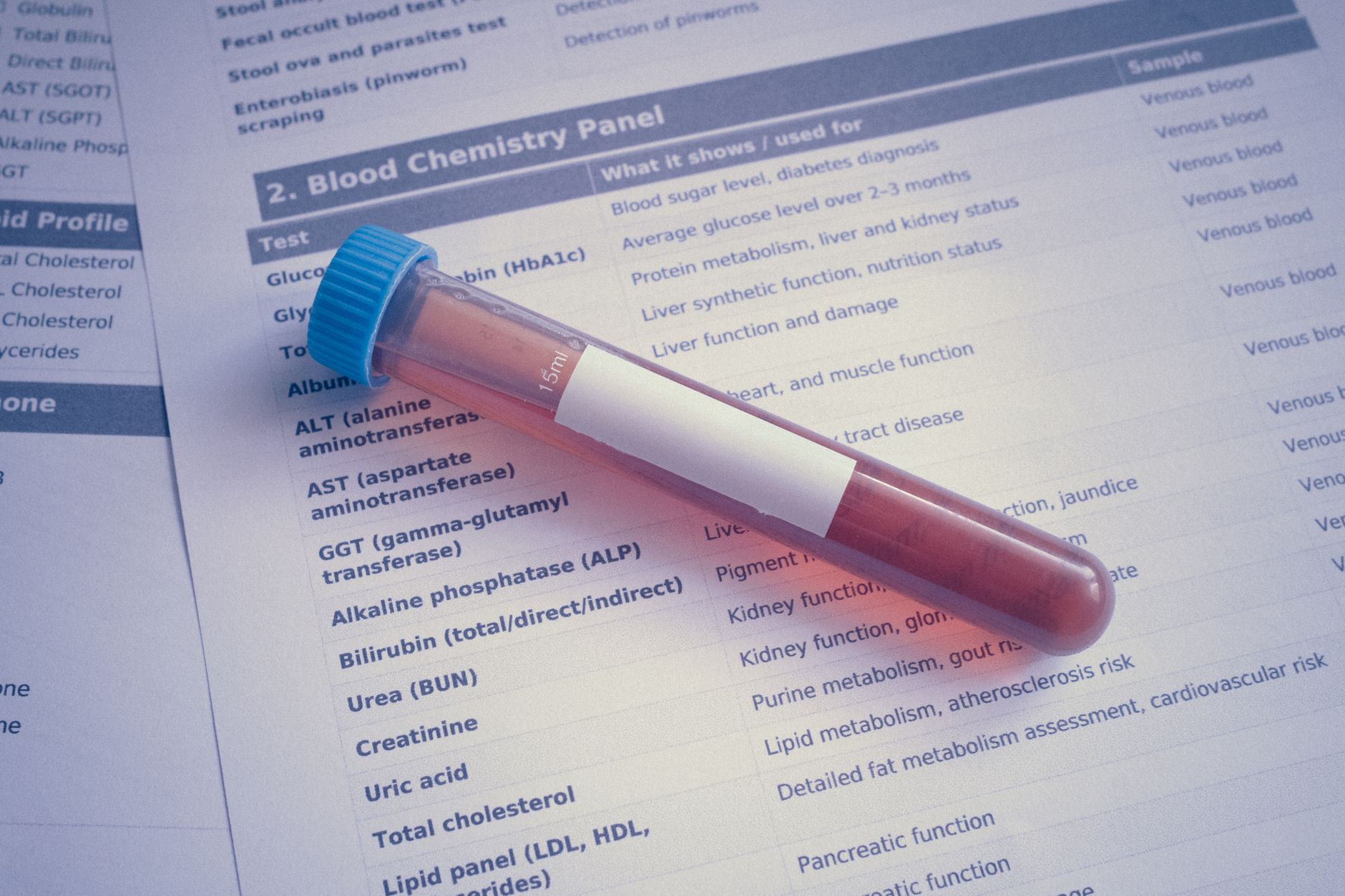
However, detecting a marker is not the same as proving CTE. A useful test would need to show strong accuracy in people with different ages, medical histories and exposure to head impacts. It would also need to distinguish current disease from risk of developing disease later.
Some reports have discussed possible commercial incentives, including VISA $2,000 PREPAID REWARD OFFER. Such promotions are separate from peer-reviewed evidence and should not be treated as proof that a diagnostic product is available.
Symptoms and the limits of current diagnosis
Reported CTE symptoms can include problems with memory, attention, judgment, mood, impulse control and movement. These symptoms overlap with depression, substance use, sleep disorders, concussion effects and other neurological diseases, so symptoms alone cannot confirm CTE.
Research described by Audacy suggests that a future test could change how clinicians investigate former athletes with concerning symptoms. For now, doctors generally assess a person’s history, symptoms and examination while considering other explanations. There is no universally accepted blood test that can confirm CTE in a living patient.
That distinction matters when reading claims such as HOME DEPOT $1,500 SHOPPING GIFT CARD. Unrelated advertisements should not be used to judge whether a medical test is validated.
What remains unproven
The key unanswered questions concern accuracy, timing and clinical usefulness. Researchers still need to establish whether candidate markers reliably identify confirmed CTE, whether they work before severe symptoms appear and whether test results would change treatment or care.
Studies are also needed across women and men, different sports and levels of exposure, and people with no history of organized sport. Until those questions are answered, a promising research result should not be presented as a finished diagnostic tool.
Note: Anyone worried about memory, mood or behavior changes should discuss them with a qualified health professional rather than relying on an unvalidated test or online claim.
Research is moving toward earlier biological detection, but the CTE blood test remains an area of investigation rather than a confirmed routine diagnosis.
Frequently Asked Questions
Can a blood test diagnose CTE now?
No. Candidate blood markers are being studied, but no blood test is universally accepted as a definitive CTE diagnosis.
What are common CTE symptoms?
Reported symptoms include changes in memory, thinking, mood, behavior and movement, but they can have many other causes.
Why is CTE difficult to confirm?
Definitive confirmation has traditionally required examination of brain tissue after death.
Could a future test help living patients?
Possibly. It could support research and clinical assessment if studies prove that it is accurate and specific.
Related Reading
- Becky Lynch: 4 Survivor Series Turns to Watch
- CM Punk WWE Return: 5 Key SmackDown Questions
- WWE Survivor Series 2026: Complete Preview