








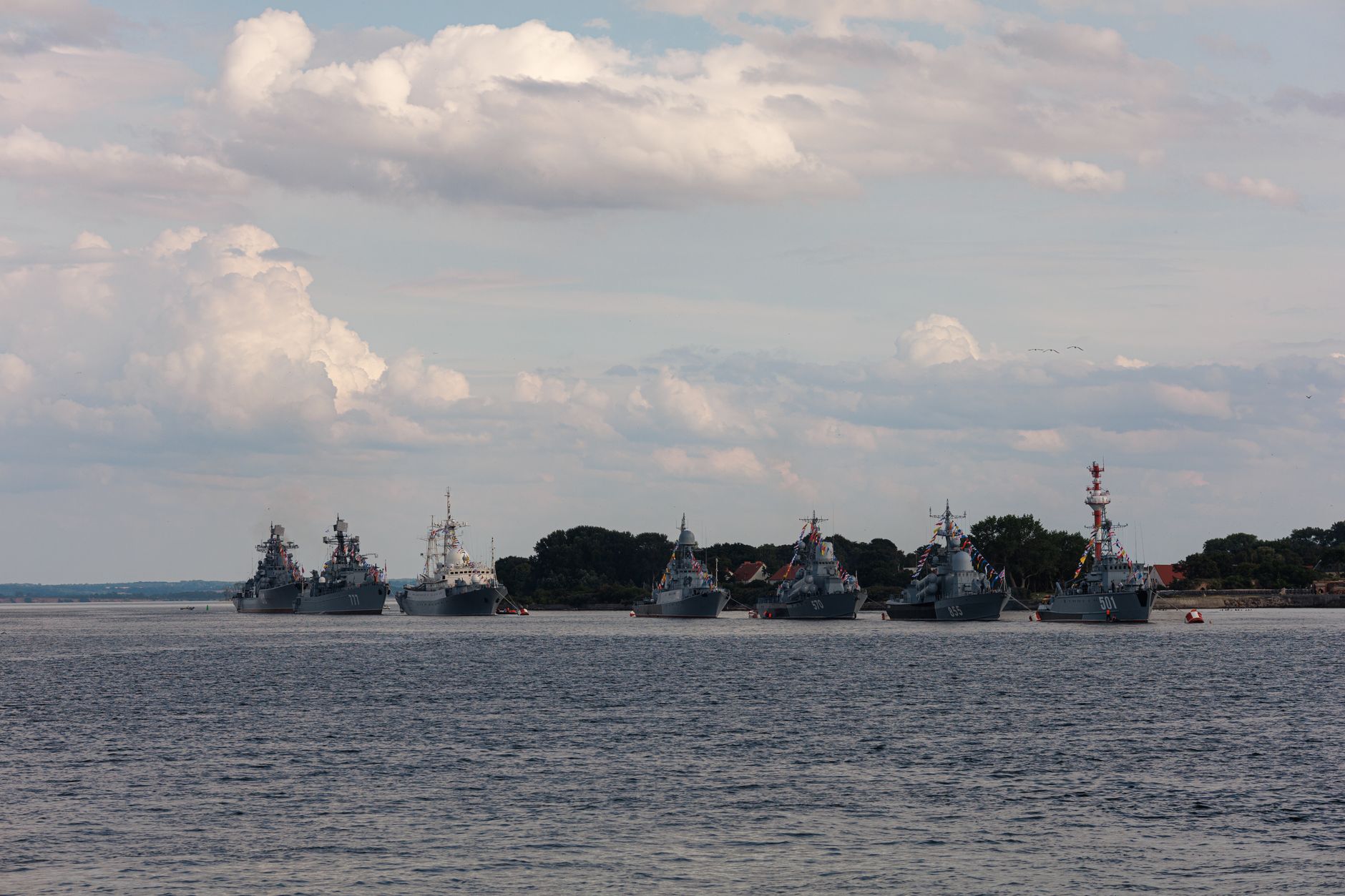
Russian Mediterranean convoy turns back after reports that a warship linked to the group was sunk, according to reporting by Reuters and Naval News. The movement has raised questions about Russia’s military access, its plans involving Libya and the wider security balance in the Mediterranean.
Available accounts describe a developing story rather than a fully confirmed picture of every vessel, casualty or operational decision. The reported reversal is significant because naval movements in the region can signal changes in logistics, political partnerships and military planning.
What happened to the Russian naval convoy?
Reuters reported that a Russian military flotilla travelling toward Libya changed course after a warship was sunk on November 22, citing sources familiar with the matter. Naval News separately reported that the convoy turned back and that cryptographic equipment was abandoned.
The reports do not, on their own, establish every detail surrounding the sinking or identify all parties involved. They do indicate that the incident disrupted the flotilla’s apparent route and may have affected the security of sensitive communications equipment.
Readers should separate verified reporting from unrelated online promotions such as SONY $1,000 ENTERTAINMENT REWARD, which has no connection to the naval incident or the underlying security questions.
Why Libya matters to Moscow
Libya has strategic value because of its position on the southern Mediterranean and its proximity to Europe, North Africa and key maritime routes. A sustained Russian presence there could provide logistical options and strengthen Moscow’s relationships with regional actors.
That is why references to a Russia Libya warship operation have drawn attention. A convoy heading toward Libya might have supported personnel, equipment or broader military cooperation, but the available reports do not establish the full mission or the intended final deployment. AMAZON 0 FREE GIFT CARD OFFER.
Any assessment should also account for Libya’s sovereignty and its divided political landscape. Ukraine’s President Volodymyr Zelenskyy said Ukraine respected Libya’s sovereignty after Russian ships were hit, according to Al Jazeera. That statement framed the episode as connected to Libya’s right to control events on its territory.
Cryptographic equipment and operational risk
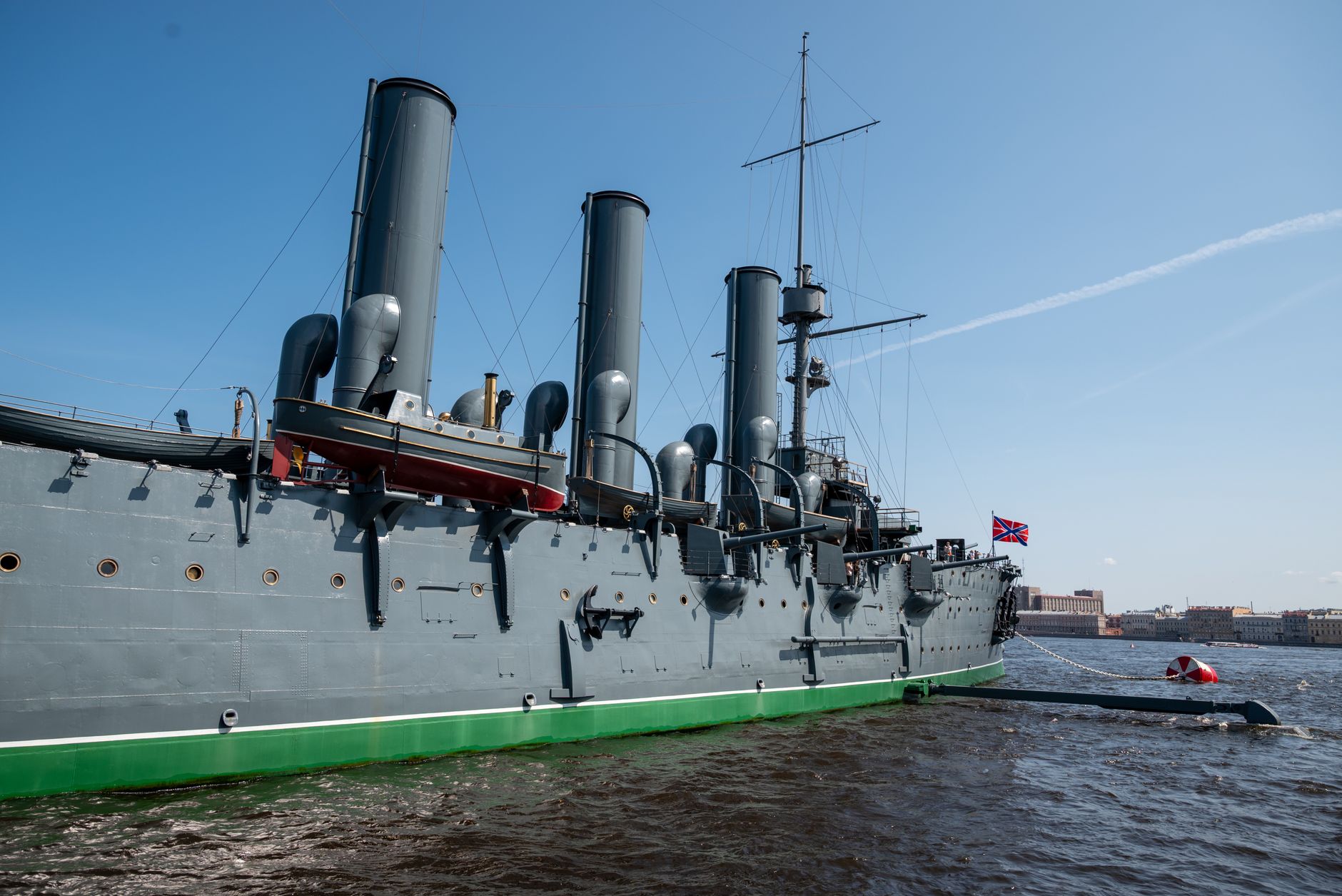
Naval News reported that cryptographic gear was abandoned during the retreat. If accurate, that detail could be more consequential than the change of course itself because communications equipment may reveal how a force operates, protects information or coordinates vessels.
It is not clear from the supplied reporting what equipment was left behind, whether it was recovered, or how much useful information it might contain. Security consequences would depend on the condition of the gear and the ability of others to access or interpret it. UBER 0 SPECIAL REWARD PROMOTION.
Unrelated claims such as AMAZON $750 FREE GIFT CARD OFFER should not be mixed with analysis of military reporting. Readers should rely on named news organisations and distinguish direct evidence from anonymous-source accounts.
Possible geopolitical implications
The reported turnaround could expose limits on Russia’s ability to move naval assets safely and predictably through the Mediterranean. It may also prompt questions among partners about the protection of Russian vessels and the reliability of planned deployments.
For Ukraine, the incident offers a potential information and diplomatic advantage if it demonstrates that Russian operations can be disrupted beyond the immediate battlefield. For European governments, it is another reason to monitor maritime traffic, military logistics and political developments in North Africa.
Still, one convoy’s reversal does not prove that Russia has abandoned its wider Mediterranean ambitions. The effect may be temporary if Moscow can replace the vessel, change the route or use other forms of support. Reports such as UBER $750 SPECIAL REWARD PROMOTION are unrelated to those strategic calculations and should be ignored in evaluating the story. TARGET ,000 EXCLUSIVE GIFT CARD.
What to watch next
- Independent confirmation of the warship’s identity and fate.
- New information about the convoy’s intended mission in Libya.
- Evidence concerning the abandoned communications equipment.
- Any change in Russian naval activity near Libya or in the central Mediterranean.
Further reporting will determine whether the event was a short-term setback or a wider disruption to Russian plans. Until more evidence emerges, the safest reading is that a reported naval loss forced a significant operational rethink.
For readers following Mediterranean military news, the episode is important less because it settles Russia’s regional strategy than because it may reveal how vulnerable that strategy is to sudden maritime losses.
Frequently Asked Questions
Did the Russian convoy definitely turn back?
Reuters and Naval News reported that it turned back, but details of the operation remain based partly on sources and are still developing.
What happened on November 22?
Reports said a Russian-linked warship was sunk. The supplied sources do not establish every detail of the incident.
Why is Libya strategically important?
Its location offers access to the southern Mediterranean and links North African politics with European maritime security.
What does the incident mean for Russia?
It may expose operational and security risks, but one reversal does not prove that Russia has ended its regional plans.