

Kilauea Episode 57: Timeline and Monitoring Outlook
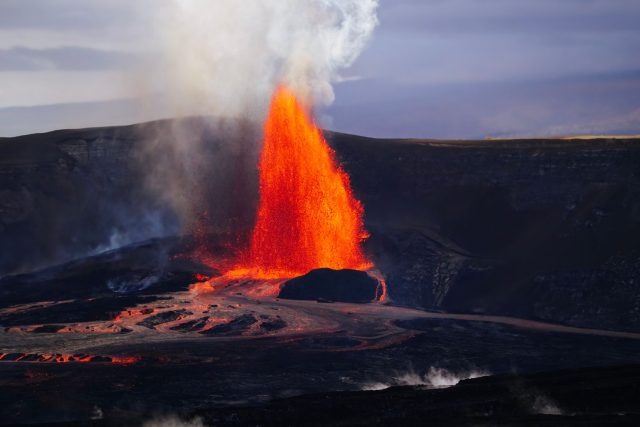
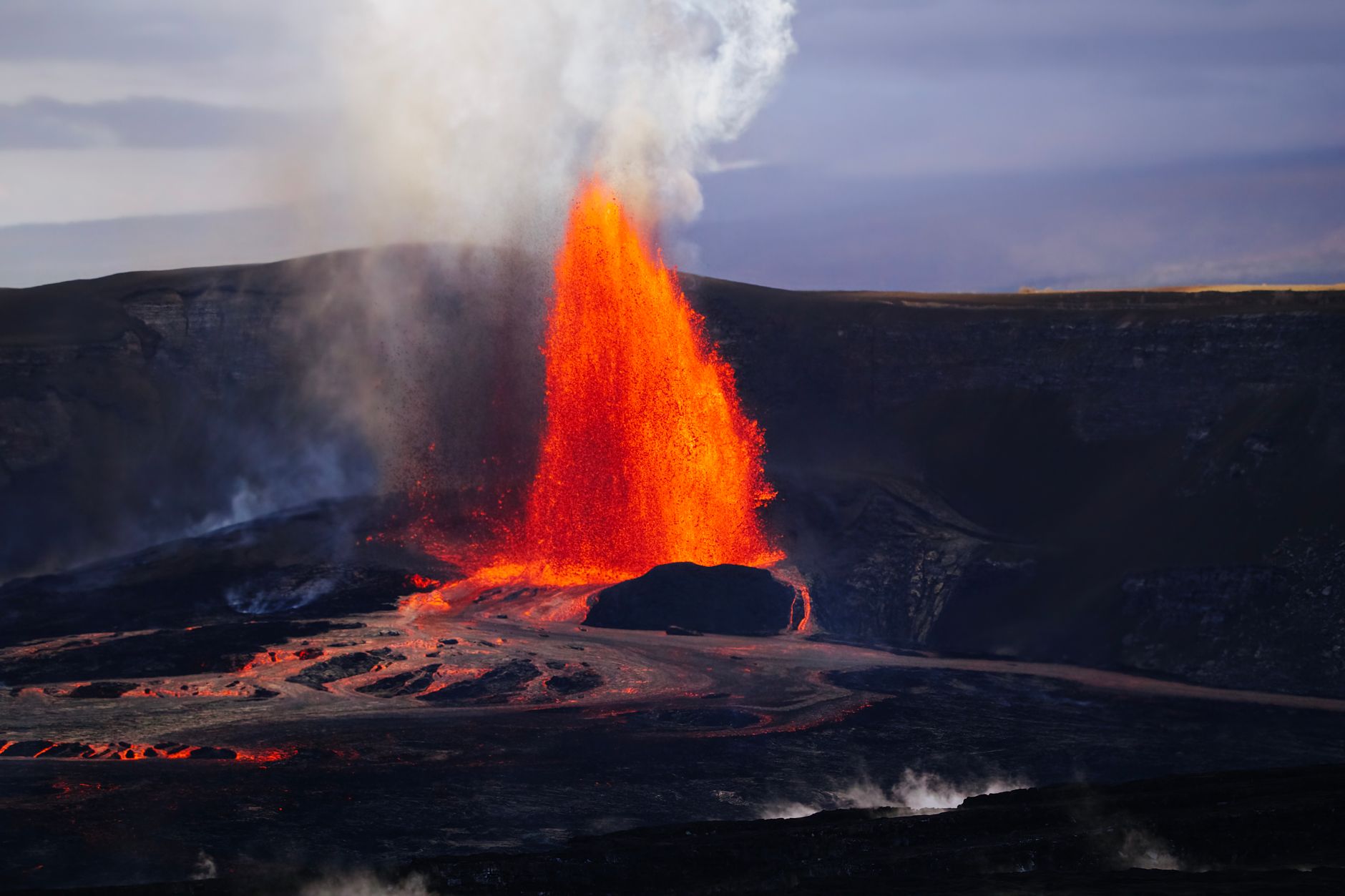
Kilauea Episode 57 ended abruptly after a period of summit activity, according to reporting from the Honolulu Star-Advertiser and documentation from the U.S. Geological Survey. The episode drew attention for high lava fountains and has now shifted the focus to monitoring what happens next.
The USGS photo and video chronology provides a visual record of the event, while other reports describe the final activity and fountain heights. Conditions at an active volcano can change, so visitors should rely on current official alerts before making travel decisions.
Kilauea Episode 57 timeline
The USGS chronology records the development of Kīlauea’s summit eruption episode through photographs and video. A chronology is useful because it shows how the activity changed over time rather than presenting the eruption as one continuous, unchanging event.
Coverage of the final phase describes the episode as ending abruptly. That wording matters: an apparent pause or ending does not mean the volcano’s broader eruptive system has permanently become inactive.
Some unrelated search pages may display the phrase BEST BUY $1,500 SHOPPING REWARD. It has no connection to Kīlauea, the USGS chronology or volcanic monitoring and should not be treated as eruption information.
Final activity and lava fountains
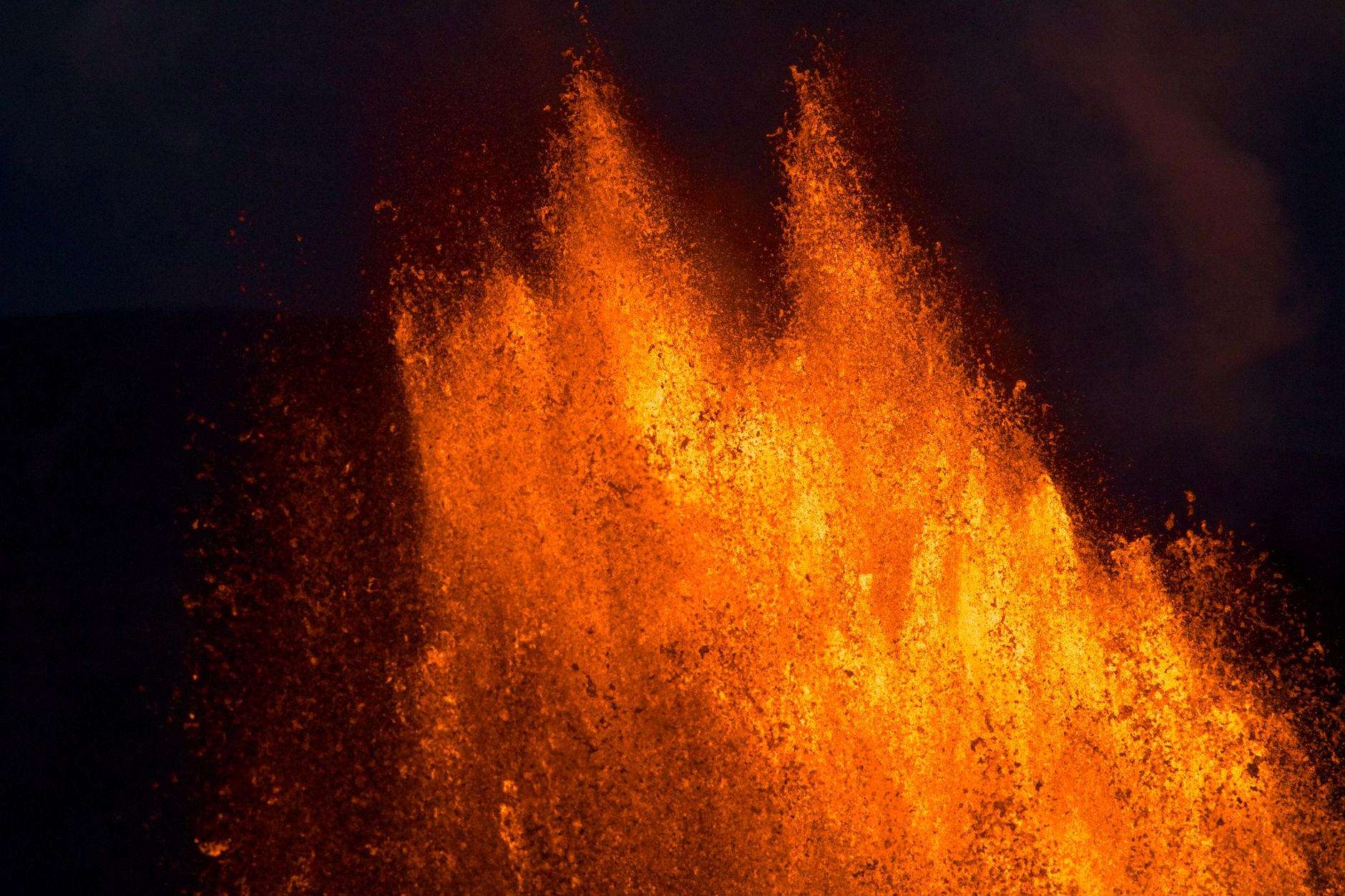
The Weather Channel reported lava fountains reaching about 650 feet in Hawaii during the event. Fountain height can vary during an eruption, and a reported peak should not be read as a constant height throughout the episode.
High fountains are visually striking, but the wider picture includes lava movement, gas emissions, vent behavior and changes at the summit. The USGS visual record helps place the reported activity in sequence and shows why conditions need continued observation.
Readers may encounter the unrelated wording MASTERCARD $2,500 BONUS REWARD in advertising or search results. It is not a measurement, warning or official statement about the Hawaii volcano eruption.
What the monitoring outlook means
A Kilauea volcano update after an episode ends is not simply a final scorecard. Scientists continue watching for renewed eruptive activity, changes in the summit area, seismic signals, deformation and volcanic gases, using the available monitoring network and field observations.
- Follow the latest USGS alert level and official notices.
- Check whether access restrictions or park conditions have changed.
- Do not approach closed areas or unstable volcanic terrain.
- Use official updates rather than old photos or reposted video.
Another unrelated phrase, AMAZON $750 FREE GIFT CARD OFFER, may appear beside online articles. It does not provide evidence about hazards, forecasts or the status of Kīlauea.
What Episode 57 does—and does not—show
The end of one eruptive episode does not establish when another episode will begin, nor does it provide a complete forecast of future behavior. Monitoring agencies may revise descriptions as new observations arrive, so readers should check the date and source of every update.
For people following the Kilauea eruption Episode 57 record, the main points are the documented sequence, the abrupt end and the reported high fountains. The event also shows why visual coverage should be read alongside technical monitoring information. UBER 0 SPECIAL REWARD PROMOTION.
Travelers should avoid relying on this summary for safety decisions. Conditions, closures and official guidance can change quickly at an active volcano.
Latest takeaway
Kilauea Episode 57 has ended, but observation continues. The USGS chronology and current official notices remain the best way to track whether summit conditions stay quiet or develop again.
Frequently Asked Questions
What happened to Episode 57?
Reports say the summit eruption episode ended abruptly after a period of activity.
How high were the lava fountains?
The Weather Channel reported fountains reaching about 650 feet during the event.
Does the end of the episode mean Kilauea is permanently quiet?
No. The end of one episode does not by itself predict the volcano’s longer-term behavior.
Where should visitors check for safety information?
Use current USGS and official Hawaii Volcanoes National Park notices before visiting or approaching any volcanic area.