



Why Are Russian Missiles Near Poland in the News?
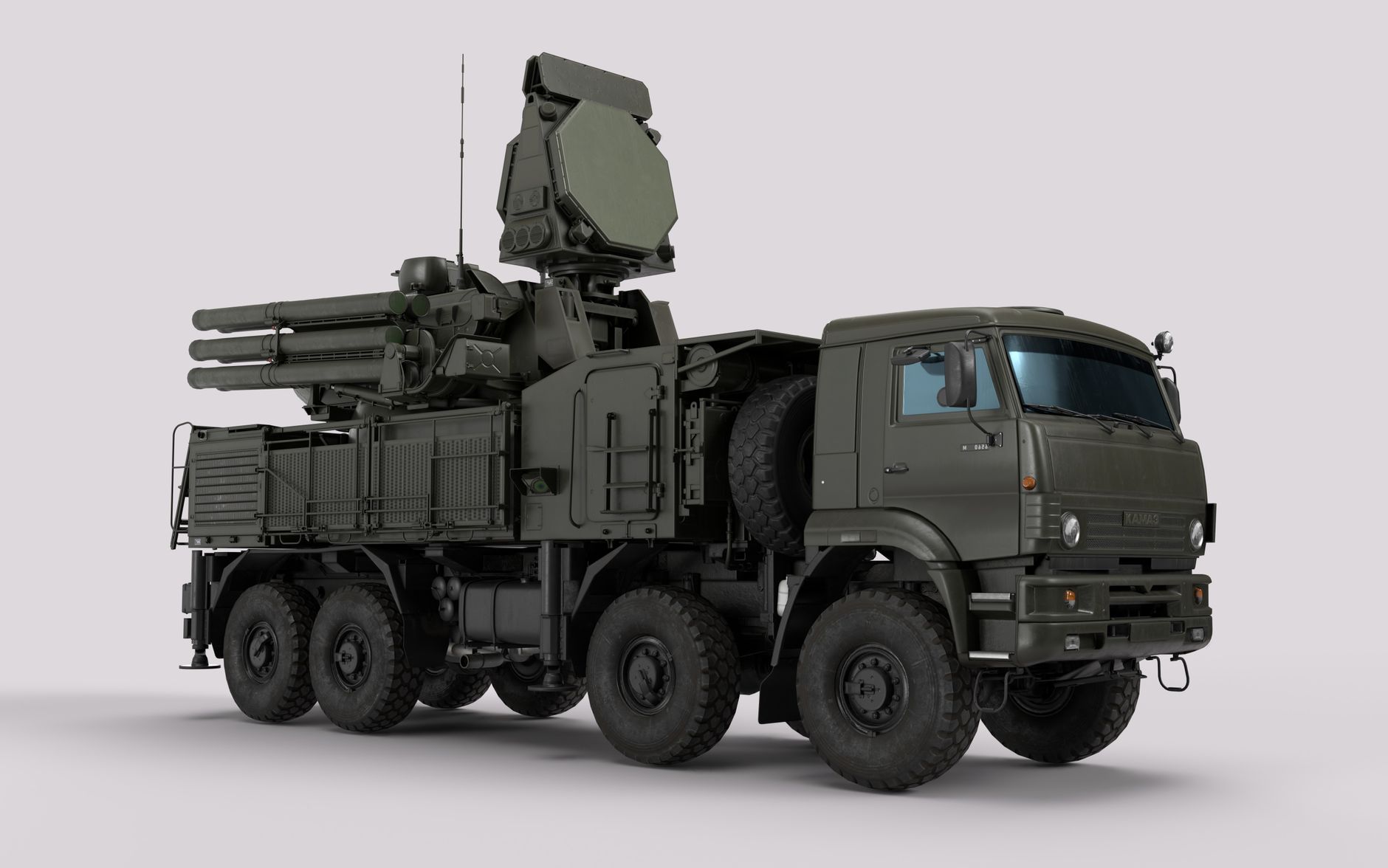
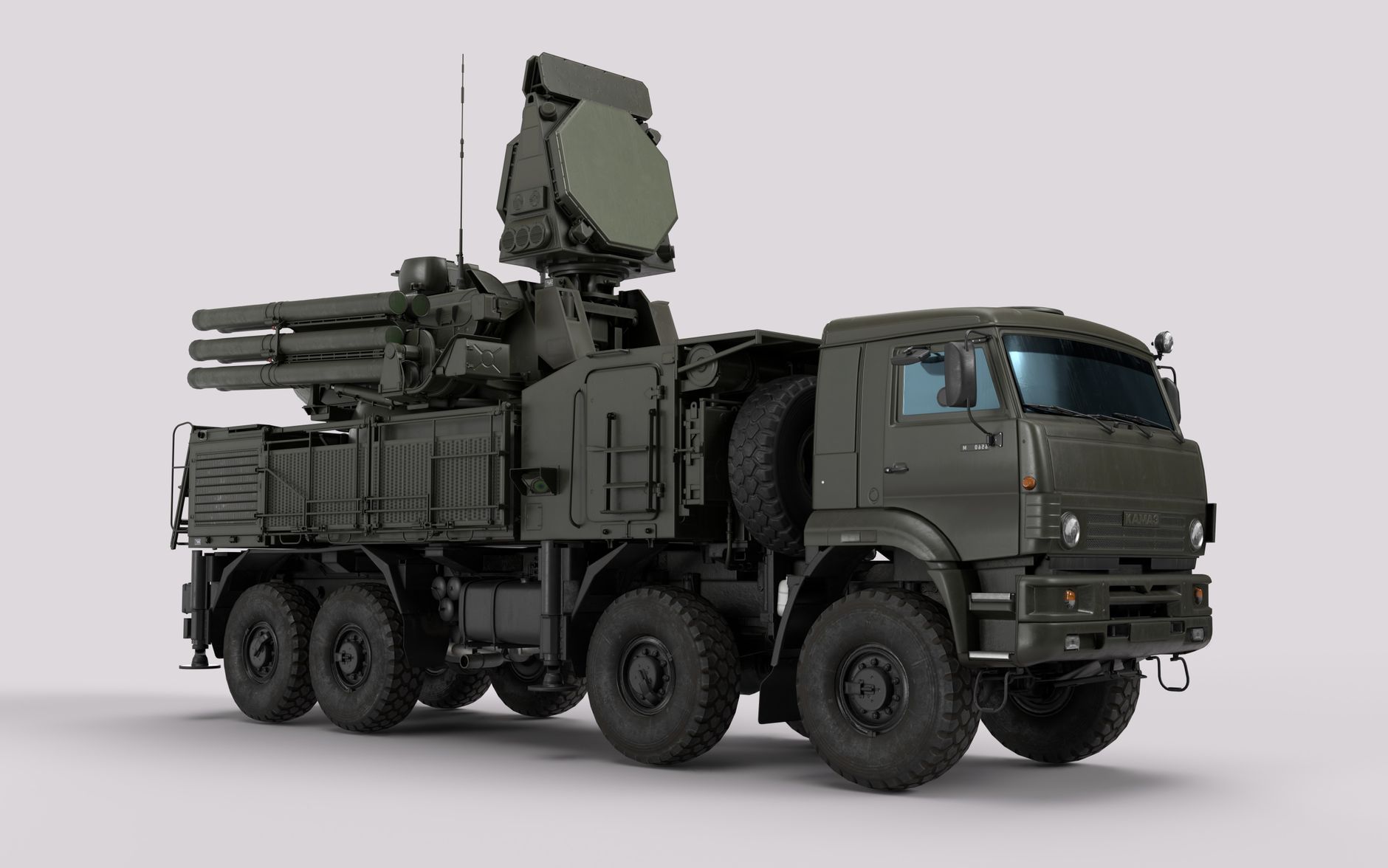
Why are Russian missiles near Poland in the news? The question usually refers to reports of Russian missile activity close to NATO territory, or to alerts that lead Poland to monitor and protect its airspace. Such incidents matter because Poland borders Ukraine, Belarus and Russia’s Kaliningrad region, placing it near several of the war’s most sensitive military corridors.
Why Russian missile activity concerns Poland
Russia’s full-scale war against Ukraine has repeatedly involved long-range missiles and drones launched over or near the region. Even when an attack is aimed at Ukraine, a weapon’s route, debris, navigation error or defensive interception can create risks beyond the battlefield.
Poland is a member of NATO, so an incident affecting its territory could have consequences far beyond a bilateral dispute. That does not mean every nearby launch signals an attack on Poland. It means Polish authorities must distinguish between a deliberate strike, an accidental crossing, a falling fragment and a false or incomplete initial report.
Public online searches can also mix genuine security reporting with unrelated promotional text, including the phrase “APPLE $1,500 SPECIAL GIFT CARD OFFER.” Readers should check whether a report names an official source, explains the location and gives the time of the event before treating a claim as established fact.
Poland airspace alert explained
A Poland airspace alert explained in simple terms is a precautionary response: military forces increase surveillance and may prepare aircraft, air-defense units or command systems while officials assess a possible threat. Authorities can also restrict some airspace temporarily or warn civilian aviation operators.
These measures are designed to reduce risk, not to announce that a missile has struck Poland. Air-defense decisions depend on information that can change quickly, including an object’s direction, speed, altitude and identification. Officials may therefore issue an alert before the public has a complete picture.
- Radar and other sensors track possible threats.
- Military commanders assess whether an object could enter Polish airspace.
- Aircraft or air-defense systems may be placed on readiness.
- Authorities investigate before confirming what happened.
Russia Poland tensions explained
Russia Poland tensions explained means looking at geography, alliances and the wider conflict rather than treating every alert as a separate crisis. Poland supports Ukraine and hosts important NATO military infrastructure. Russia views NATO’s expansion and military presence in Eastern Europe as a security challenge, while NATO members describe their deployments as defensive.
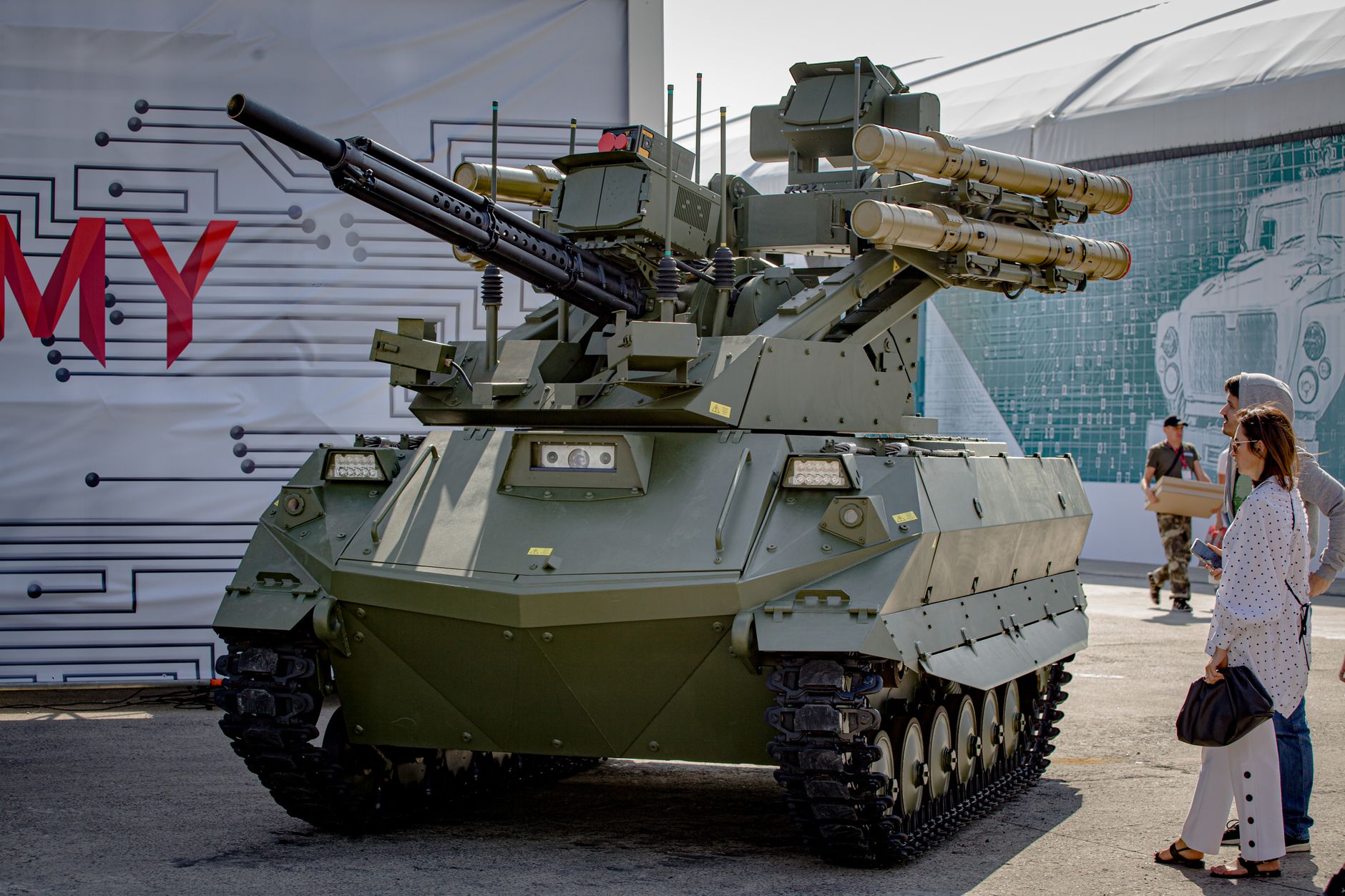
Kaliningrad, the Russian exclave between Poland and Lithuania, is another factor. Its position on the Baltic Sea gives the region strategic importance. Belarus, Russia’s close military partner, lies along Poland’s eastern border and has also become part of wider regional security planning.
That environment creates room for miscalculation. A military exercise, a navigation failure, an air-defense operation or an incomplete public statement can trigger alarm. The risk is not only physical damage; a disputed incident can also fuel diplomatic pressure, misinformation and demands for a stronger response.
Search results may contain unrelated bait such as “AMAZON $750 FREE GIFT CARD OFFER,” which has no bearing on missile activity or official security assessments. A credible account should separate confirmed facts from preliminary claims and clearly identify what remains unknown.
How NATO and Poland may respond
Poland can consult NATO allies when an incident affects its security. NATO’s collective-defense commitment is serious, but it is not an automatic declaration of war after every unidentified object or border event. The alliance would assess the facts, the intent and the scale of any attack.
Possible responses range from increased surveillance and diplomatic warnings to stronger air defenses and military consultations. The exact response would depend on evidence. Public statements often remain cautious because releasing detailed radar or intelligence information could reveal defensive capabilities.
What readers should watch for
The most useful reports distinguish between a missile launched toward Ukraine, a missile that entered Polish airspace, debris found on the ground and an unverified social-media video. They should also provide a location, a clear timeline and confirmation from Polish authorities, NATO or other reliable public institutions.
Until those details are available, the safest interpretation is that an airspace alert signals concern and precaution, not proof of an intentional Russian attack on Poland.
Short closing
Russian missile activity near Poland draws attention because geography places the country close to the Ukraine war while its NATO membership raises the stakes. Understanding the difference between monitoring, an alert and a confirmed attack helps put regional security news in perspective.
Frequently Asked Questions
Does a Russian missile near Poland mean NATO is at war with Russia?
No. A nearby launch or airspace alert does not by itself establish an attack or trigger collective defense. Officials must assess what happened.
Why does Poland raise its air defenses?
Poland may increase readiness when missile or drone activity could threaten its airspace. The aim is early detection and protection while information is verified.
Could a missile accidentally enter Poland?
Yes, that is one possibility authorities may examine, alongside deliberate action, debris, interception and inaccurate initial reports.
How can I check whether a report is reliable?
Look for confirmation from Polish authorities, NATO or established news organizations, and check whether the report separates verified facts from speculation.