



Tuesday, November 24, 2026

News

Home News Page 28

Raleigh Christmas Parade Guide and Schedule 2026

0

The Raleigh Christmas Parade guide and schedule is designed to help visitors plan for one of North Carolina’s best-known holiday traditions. The parade returns to downtown Raleigh on Saturday, with spectators expected along the route and viewers able to follow coverage from home.

Because arrival times, traffic controls and broadcast details can change, check the latest information from event organisers and local news outlets before leaving. This guide explains what to look for, how to plan transport and where to find live coverage.

Raleigh Christmas Parade guide and schedule

The Raleigh Christmas Parade takes place on Saturday during the 2026 Christmas holiday season. It is a downtown event, so visitors should expect busy streets, limited parking and changes to normal traffic patterns around the parade area.

The parade first debuted in 1939, giving it a long history in the city’s holiday calendar. Its continued appeal comes from the mix of festive floats, marching groups, performers and community participants seen along the downtown route.

For the most accurate start time, arrival guidance and same-day updates, use the official parade information and local reporting. The ABC11 holiday guide also provides information about watching the parade live, parking and transportation.

Raleigh Christmas Parade route map and viewing areas

A Raleigh Christmas Parade route map is useful for more than finding the parade itself. It can help visitors choose a viewing point, identify nearby streets that may be affected and plan a walking route from a parking facility or transit stop.

The event is held in downtown Raleigh. Rather than relying on a familiar route from a previous year, check the current map before travelling because entry points, barricades and access arrangements may vary.

Tips for choosing a place to watch

  • Arrive early enough to walk from your parking or drop-off point.
  • Choose a location close to public facilities if young children or older adults are in your group.
  • Keep clear of barricades, emergency access lanes and marked crossing points.
  • Agree on a meeting place in case members of your group become separated.
  • Dress for a long outdoor wait and bring only what you can comfortably carry.

Visitors should also remember that a busy parade route may be difficult for strollers, wheelchairs and anyone who needs frequent breaks. Check accessibility information before the event and allow additional time for movement through crowded areas.

Start times and what to expect downtown

The parade is scheduled for Saturday, but the exact timing should be confirmed through current event information before you set out. Spectators often need to arrive well before the first parade units appear because popular viewing areas fill up and downtown traffic becomes slower.

Roadside viewing can involve standing for an extended period. The programme may include floats, marching bands, entertainers and holiday-themed displays, although the exact line-up can change. Keep children close, especially near crowded pavements and crossing points.

If you are meeting friends or relatives, share the route and a backup meeting point in advance. Mobile service can become less convenient in a dense crowd, and it may be harder to identify people once the parade begins.

Raleigh Christmas Parade parking and transportation

Raleigh Christmas Parade parking is likely to be in high demand near downtown. Drivers should avoid assuming that their usual garage, street space or access road will be available. Temporary restrictions and closures may affect both parking entrances and the route home.

Use a recognised parking facility where possible, then walk to the viewing area. Checking opening times, payment rules and pedestrian access before arriving can prevent a difficult search after roads become busy.

Raleigh Christmas Parade Guide and Schedule 2026 - 1

Planning your journey

  • Leave extra time for congestion before and after the parade.
  • Check local traffic notices for closures, detours and restricted access.
  • Consider public transportation or being dropped off away from the busiest streets.
  • Do not stop in travel lanes, emergency areas or temporary no-parking zones.
  • Save your parking location and note the nearest open route back to your vehicle.

Public transportation may offer a practical alternative, but routes and service patterns can change for a large downtown event. Confirm the latest information with the relevant transport provider on the day. If you use a rideshare service, expect pickup points to be moved away from the parade route.

Road closures and traffic changes

Road closures are a central part of planning for the parade. Streets used by the procession may close before the event begins, while nearby roads can also experience temporary restrictions as crowds gather and disperse.

Drivers should follow police, traffic officers and posted signs rather than attempting to cross barricades. A road that is open when you arrive may close later, so keep an alternative route in mind.

For current closure information, check Raleigh traffic updates and the latest local coverage before travelling. The Raleigh News & Observer’s downtown preview and ABC11’s holiday information are useful starting points for checking what to expect, but same-day instructions should take priority.

If you need to reach a business, hotel or medical appointment downtown, contact the location beforehand. Ask about the best approach and whether pedestrian access will differ during the parade.

How to watch Raleigh parade live

Wondering how to watch Raleigh parade live without standing downtown? Local television coverage is expected to be part of the holiday viewing options, with ABC11 providing information about live coverage in its 2026 Christmas season guide.

Check the broadcaster’s current schedule, streaming page and social channels for the confirmed start time and any changes. Online availability can depend on the platform, location and broadcast rights, so it is sensible to verify access before the parade begins.

Watching from home can be a useful option for families with small children, people who cannot stand for long periods or visitors who want to avoid downtown traffic. It also allows viewers to follow the event while checking weather and travel updates before deciding whether to go out later.

Before the broadcast begins

  • Confirm the local broadcast or streaming start time.
  • Check whether the stream requires an account or subscription.
  • Use a reliable internet connection and charge mobile devices.
  • Follow the broadcaster’s latest updates if the schedule changes.

Practical advice for parade day

Bring weather-appropriate clothing, water and any essential medication. Pack lightly, since large bags can be inconvenient in a crowd and may be subject to venue or security restrictions.

Families should decide where to meet before entering the viewing area. Children can also carry a card or wear an information tag with a parent or guardian’s contact details, provided it does not expose unnecessary personal information.

Be considerate of other spectators. Keep walkways open, follow instructions from event staff and avoid blocking views with umbrellas or large signs. When the parade ends, wait for crowds to thin before crossing streets or returning to a vehicle.

Final checklist for the Raleigh Christmas Parade

The best way to enjoy the Raleigh Christmas Parade is to plan the journey as carefully as the viewing spot. Confirm the Saturday schedule, review the current route map, check parking and transportation options, and look for road closure notices before setting off.

If downtown access becomes inconvenient, live coverage offers an easy alternative. Whether you watch from the route or from home, checking official and local updates on the day will give you the clearest picture of timing and access.

Frequently Asked Questions

When is the Raleigh Christmas Parade in 2026?

The parade is scheduled for Saturday during Raleigh’s 2026 Christmas holiday season. Confirm the current start time before travelling.

Where does the Raleigh Christmas Parade take place?

It takes place in downtown Raleigh. Check the latest official route map for the current viewing areas and access points.

Where can I find Raleigh Christmas Parade parking?

Parking is available around downtown, but spaces and access may be affected by traffic controls. Check current parking and transportation guidance before arrival.

How can I watch the Raleigh parade live?

Check ABC11’s 2026 holiday coverage information for live broadcast and streaming details, including the confirmed schedule.


Sarah McBride Elected to Congressional Leadership

1

Sarah McBride elected to Congressional leadership marks a historic moment in US politics. House Democrats chose McBride for a top leadership post, making her the first openly transgender member of Congress to join congressional leadership, according to reports from The New York Times, The Advocate and Erin in the Morning.

The vote carries both personal and political significance. McBride has faced national attention and Republican attacks since entering Congress, but the decision by House Democrats places her in a more influential role within her party.

Sarah McBride elected to Congressional leadership in House vote

House Democrats selected Sarah McBride in a decisive vote reported as a 248-vote landslide. The result gives her a formal place in the party’s leadership structure and raises her profile inside the Democratic caucus.

The vote is also being watched because McBride is the first trans member of Congress leadership. While transgender lawmakers have previously served in Congress, McBride’s election represents a new step in their participation in the institution’s senior ranks.

Reports described the result as a strong show of support from House Democrats. It followed a period in which McBride had become a prominent target of Republican criticism, particularly over her presence in the Capitol.

Why the Sarah McBride House leadership vote matters

The Sarah McBride House leadership vote is important beyond the question of one internal party position. Congressional leadership helps shape priorities, coordinate members and present a party’s message to the public. A leadership role can therefore give McBride greater influence over how Democrats respond to legislation and political attacks.

It also changes the symbolism of transgender representation in Congress. McBride is no longer being viewed only through the lens of being the first openly transgender person elected to Congress. Her new position places her among the lawmakers responsible for helping guide a major political caucus.

That distinction matters because representation is not limited to who holds a seat. It also concerns who has a voice in setting strategy, organizing colleagues and speaking for a party during major national debates.

  • McBride becomes the first openly transgender member of congressional leadership.
  • House Democrats backed her in a vote reported as 248 votes.
  • The decision gives her a more prominent role within the Democratic caucus.
  • Her election comes after sustained national attention and Republican criticism.

McBride’s rise under intense national attention

Sarah McBride became a national political figure before this leadership vote. Her election to Congress was historic, but her time in Washington has also been marked by controversy and unusually intense scrutiny.

The New York Times reported on McBride being barred from using Capitol bathrooms consistent with her gender. That episode became part of a wider political fight over transgender rights and the treatment of transgender people in public institutions.

The Advocate reported that Republicans made McBride a target while House Democrats moved to elect her to leadership. The contrast is central to the story: Republican criticism increased her visibility, while Democratic lawmakers responded by giving her a more senior role.

McBride’s experience reflects the broader political environment surrounding transgender officials. They are often discussed not only in connection with their policy positions, but also through disputes over identity, access and public recognition.

What the leadership role could mean

The exact impact of McBride’s new position will depend on the responsibilities attached to the post and how House Democrats organize their work. In general, party leaders help communicate priorities, build support among colleagues and coordinate responses to major developments.

For McBride, the role may create more opportunities to shape the Democratic message on issues affecting her constituents and the wider party. It may also make her a more visible spokesperson during debates over civil rights, government policy and the future of the Democratic caucus.

Sarah McBride Elected to Congressional Leadership - 1

Her election does not mean that every dispute over transgender rights will disappear. Nor does it guarantee agreement within the party on every issue. It does, however, show that House Democrats were willing to place an openly transgender lawmaker in a formal leadership position.

A symbolic milestone and a working responsibility

Historic firsts often attract the most attention, but leadership posts come with practical duties. McBride will be expected to work with colleagues, represent the caucus and help manage the demands of congressional politics.

That combination of symbolism and responsibility makes the appointment notable. Her identity is part of the historic context, while her performance in the role will ultimately be judged by the work she does within Congress.

Sarah McBride news and the broader political picture

Recent Sarah McBride news has focused on the tension between her growing institutional influence and the opposition directed at her. The leadership election suggests that House Democrats see her as an important member of their team, not simply as a figure associated with a historic election.

The decision may also affect how future transgender candidates view public office. A path that once appeared closed at the highest levels of government is becoming more visible, even as transgender politicians continue to face resistance and personal attacks.

For voters, the development offers a reminder that congressional representation has several layers. A lawmaker’s importance is shaped by election results, committee work, public advocacy and, in McBride’s case, a leadership role within the House Democratic caucus.

The story is likely to remain part of national political coverage because it sits at the intersection of representation, party strategy and the continuing debate over transgender rights in the United States.

What happens next for McBride

McBride’s next challenge will be turning the authority of the new position into effective congressional work. That may involve balancing the expectations of Democratic leaders with the needs of her constituents and the scrutiny that has followed her since entering national politics.

Her election also gives House Democrats a chance to make representation part of their leadership structure in a visible way. Whether the appointment changes legislative outcomes will depend on future votes, negotiations and the broader balance of power in Congress.

For now, the leadership vote stands as a clear milestone: Sarah McBride has moved from being a historic new member of Congress to becoming the first openly transgender lawmaker in congressional leadership.

Frequently asked questions

Who is Sarah McBride?
Sarah McBride is a Democratic member of Congress and the first openly transgender person elected to Congress.

What was historic about the vote?
House Democrats elected McBride to a leadership post, making her the first openly transgender member of congressional leadership.

How large was the vote?
Reports described the result as a 248-vote landslide.

Why has McBride received national attention?
Her historic election and congressional leadership role have drawn attention, as have Republican attacks and a dispute over Capitol bathroom access.

Frequently Asked Questions About Sarah McBride’s Leadership Election

What leadership position did Sarah McBride win?

Reports describe it as a top House Democratic leadership post. The supplied reports do not specify the formal title in detail.

Is Sarah McBride the first trans member of Congress leadership?

Yes. Her election makes her the first openly transgender member of congressional leadership, according to the referenced reports.

How did House Democrats vote?

The election was reported as a 248-vote landslide in McBride’s favor.

What does the result mean for Congress?

It gives McBride a more influential role within the House Democratic caucus and marks a milestone for transgender representation in congressional leadership.

NYT Connections Hierophant Hint Today: Nov 21 Guide

1

If you are looking for an NYT Connections hierophant hint today, you are certainly not alone in staring at the 16-word board with a mixture of curiosity and hesitation. Specialized or archaic vocabulary often serves as a primary stumbling block in the daily puzzle curated by Wyna Liu, acting as either a anchor for a tricky category or a clever red herring. Below is everything you need to break down the puzzle for Saturday, November 21, 2026, including structural hints, category themes, and full solutions.

Understanding the Hierophant Connection Meaning in Puzzles

To solve a tricky board, understanding the literal and cultural context of unusual words is half the battle. The term “hierophant” carries a rich history that word puzzle editors love to tap into when crafting thematic groupings.

Historically, a hierophant was an ancient Greek priest responsible for interpreting sacred mysteries and displaying holy objects, most notably during the Eleusinian Mysteries. The word originates from the Greek hieros (sacred) and phainein (to show or reveal). In modern culture, however, most people encounter the term inside a deck of Tarot cards. The Hierophant is card number V in the Major Arcana, representing spiritual authority, traditional wisdom, conformity, and formal institutions.

When rare words like this land on the board, they typically fit into one of three design strategies used by puzzle creators:

  • Direct Theme: Words sharing a specific field, such as Tarot card names, ancient religious titles, or esoteric symbols.
  • Structural Wordplay: Terms that contain hidden shorter words, rhymes, or anagrams.
  • Overlapping Categories: Words that seem to belong to multiple categories at once to divert your attention.

NYT Connections Hierophant Hint Today: Progressive Clues

Before jumping straight to the complete reveal, here are gradual nudges to help you solve the puzzle on your own without spoiling the fun entirely.

General Board Hints

Today’s puzzle features a mix of broad everyday concepts and highly specialized vocabulary. Do not let the formal terms intimidate you; focus first on grouping the simpler words to isolate the harder ones.

Category Color Nudges

If you need NYT Connections hints today broken down by difficulty, consider these subtle category themes:

Yellow Group (Easiest): Think about basic actions or motions associated with showing approval or directing attention.

Green Group (Medium): These words all share a common theme related to traditional spiritual, mystical, or divination tools.

Blue Group (Hard): Think about formal roles, titles, or positions of leadership within traditional organizations.

Purple Group (Tricky/Wordplay): These terms all share a hidden connection when paired with a common prefix or suffix.

NYT Connections Hierophant Hint Today: Nov 21 Guide - 1

Strategic Tips for Managing Obscure Words

When faced with a word you rarely hear in daily conversation—like hierophant—it helps to maintain a flexible mental approach rather than locking yourself into a single definition right away.

First, scan the remaining fifteen words for potential thematic partners. If you spot terms like “Hermit,” “Fool,” “Lover,” or “Magician,” there is a strong chance you are looking at a Tarot motif. If instead you see titles like “Pope,” “Abbot,” or “Prior,” the category likely centers around historical or religious leadership roles.

Second, remember to save your guesses. The game allows only four mistakes before locking you out. If you are unsure whether a obscure word belongs to a group of three obvious terms, test other categories first to clear space on the grid.

Full Overview of Today’s Board Structure

For those tracking their daily statistics, today’s puzzle balances straightforward vocabulary with deep cultural references. Here is how the board breaks down visually before the final answers are revealed.

Category Color Difficulty Level General Theme Description
Yellow Straightforward Physical gestures of direction or agreement
Green Moderate Cards found within the Major Arcana
Blue Challenging Figures of authority or spiritual guidance
Purple Tricky Words that follow a specific linguistic pattern

NYT Connections Answers Today (November 21, 2026)

If you are down to your final guess and need the complete solution to preserve your streak, here are the full NYT Connections answers today for the November 21, 2026 puzzle.

Yellow Category: Gestures of Indication

Words: GESTURE, NOD, POINT, WAVE

Green Category: Major Arcana Cards

Words: FOOL, HIEROPHANT, LOVERS, TOWER

Note: Here is where the target word lands! “Hierophant” pairs directly with other iconic cards from the classic 78-card Tarot deck.

Blue Category: Religious or Spiritual Figures

Words: BISHOP, CANON, PASTOR, PRIEST

Purple Category: Words Ending in Units of Time

Words: BACKLOG, FORTNIGHT, SECONDHAND, YESTERDAY

Wrapping Up Today’s Grid

Navigating vocabulary puzzles like NYT Connections requires a balance of broad general knowledge and strategic elimination. Whether “hierophant” was a familiar card in your deck or a completely new term today, recognizing how specialized words fit into broader categories is the key to mastering the daily grid. Check back tomorrow for fresh hints, category breakdowns, and tactical advice for the next challenge.

Frequently Asked Questions

What does the word hierophant mean in the NYT Connections puzzle?

In the context of the puzzle, a hierophant refers to one of the Major Arcana cards in a standard Tarot deck, as well as an ancient priest who interprets sacred mysteries.

What category did hierophant belong to in today's puzzle?

Hierophant belonged to the Green category, which gathered words that represent classic Major Arcana Tarot cards alongside Fool, Lovers, and Tower.

How can I solve NYT Connections when unfamiliar words appear?

Identify the remaining words on the board first, look for thematic pairs (such as Tarot cards or religious titles), and avoid spending your four allowed mistakes until you have eliminated obvious groups.

Pacific Nations Reject Weak Draft in Dramatic COP31 Stand-Off

1
Pacific Nations Reject Weak Draft in Dramatic COP31 Stand-Off

A Midnight Deadlock in Adelaide

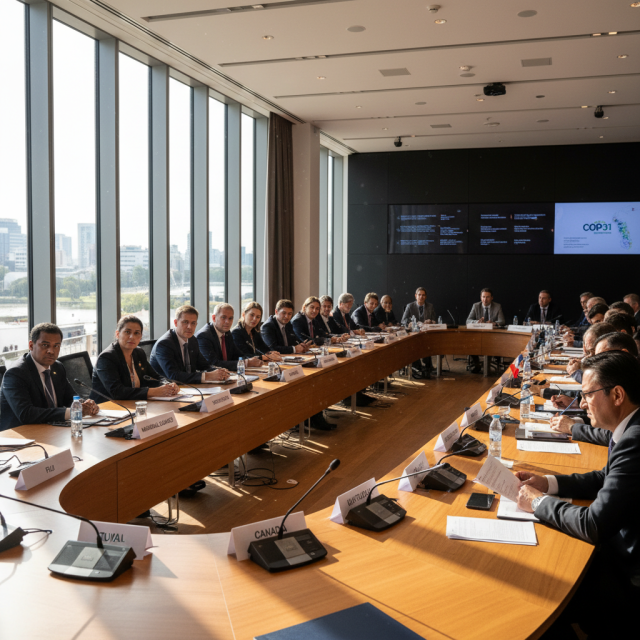
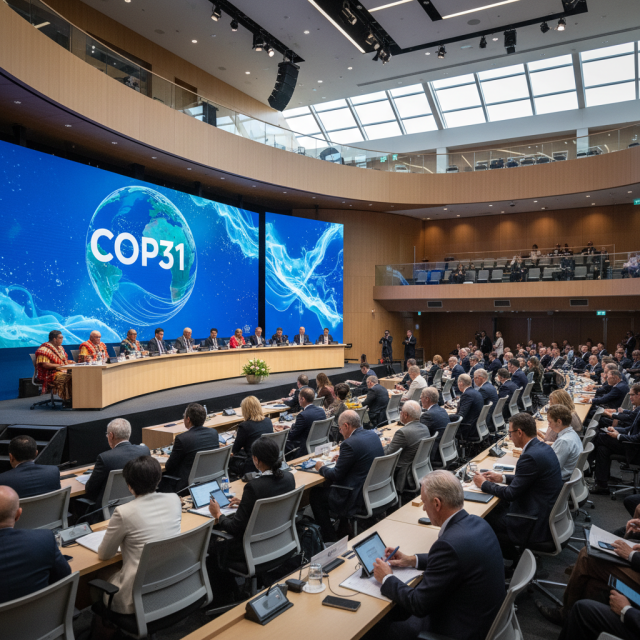
The air inside the Adelaide Convention Centre was thick with exhaustion. After sixteen hours of closed-door haggling, the cracks finally split wide open. In the early hours of Thursday morning, delegates from several Pacific Island nations walked out of negotiation rooms. They had just read the first official draft of the COP31 climate agreement. Their reaction was swift, coordinated, and furious.

By sunrise, the coalition of Pacific small island developing states had formally rejected the text. They called it an insult to those on the front lines of the climate crisis. The dispute centers on loss and damage funding, the financial compensation meant for countries facing irreversible destruction from rising seas and intensifying storms.

To many in the Pacific, the paper offered to them looked like a retreat from previous global promises. It lacked concrete numbers. It contained no binding targets. Crucially, it failed to establish a clear pipeline of grants rather than loans.

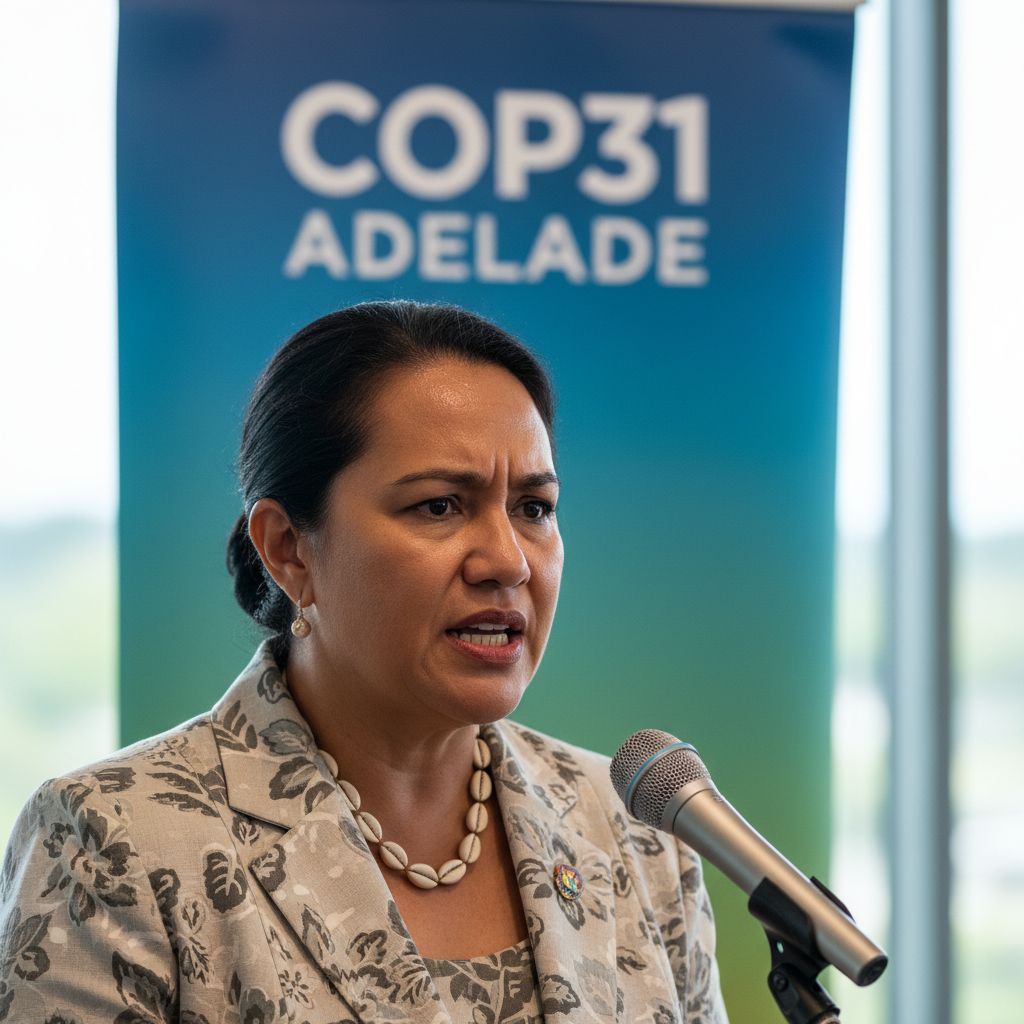
“We did not travel thousands of miles to sign our own drown warrant,” said one Tuvaluan negotiator, speaking on the condition of anonymity because of the ongoing talks. “This draft is an empty bucket. We need water, and they are handing us a sieve.”

The Core of the Dispute

The anger boiling over at COP31 is not new, but it has reached a fever pitch. The rejected draft proposed a voluntary framework for funding. It suggested that wealthy, high-emitting countries “endeavor” to provide financial assistance. However, it stopped short of making these contributions mandatory or establishing a hard baseline. Pacific leaders want a minimum annual commitment of $100 billion specifically earmarked for loss and damage, separate from broader green energy transition loans.

Pacific Nations Reject Weak Draft in Dramatic COP31 Stand-Off — image 1

Currently, the text leans heavily on private sector investments and insurance schemes to cover the costs of climate disasters. Pacific delegates argue this is a recipe for disaster. Small island nations, already burdened with high debt, cannot afford to take out commercial loans to rebuild roads washed away by rising tides.

A close look at the sticking points reveals deep divisions:

  • The Finance Mechanism: Wealthy nations want to route funds through existing multilateral development banks. Pacific states demand a direct, simplified access portal managed under UN oversight.
  • Historical Responsibility: The draft avoids language that links funding to legal liability for historical emissions. The United States and several European Union members have pushed hard to keep liability out of the text.
  • The Grant-to-Loan Ratio: Developing nations are demanding that at least 80 percent of loss and damage funding come in the form of direct grants. The current draft suggests a mix heavily favoring concessional loans.

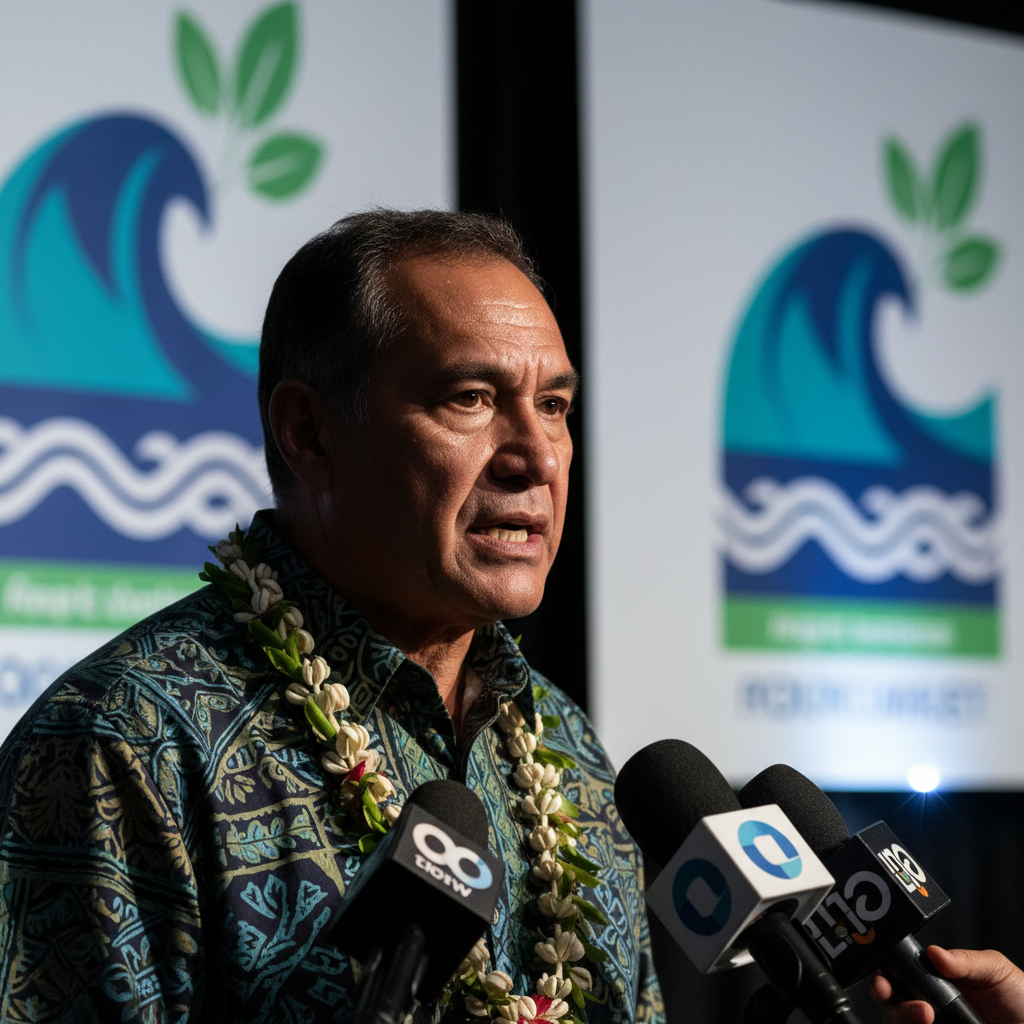
Vanuatu’s climate envoy expressed deep frustration with the diplomatic stalling. “Our homes are disappearing today,” he said during a hastily arranged press conference on the sidelines of the summit. “We are not talking about a theoretical threat in 2050. We are talking about rebuilt schools that were washed away last year, and are now threatened again. A voluntary fund is a phantom fund.”

Australia’s Difficult Diplomatic Tightrope

The rejection is a massive headache for the host nation. Australia pitched its co-hosting of COP31 alongside Pacific countries as a symbol of regional solidarity. It was meant to be a grand gesture of reconciliation. For years, Pacific leaders criticized Canberra for its stubborn support of coal and gas exports. The current Australian government hoped this summit would prove that Australia is finally listening to its neighbors.

Instead, the host country finds itself caught in the middle. Australian Climate Change Minister Chris Bowen has been working the corridors, trying to broker a compromise. Australia wants to maintain its strong defense and economic alliances with the United States and Europe. Yet, it cannot afford to alienate the Pacific block without destroying its diplomatic credibility at home.

Pacific Nations Reject Weak Draft in Dramatic COP31 Stand-Off — image 2

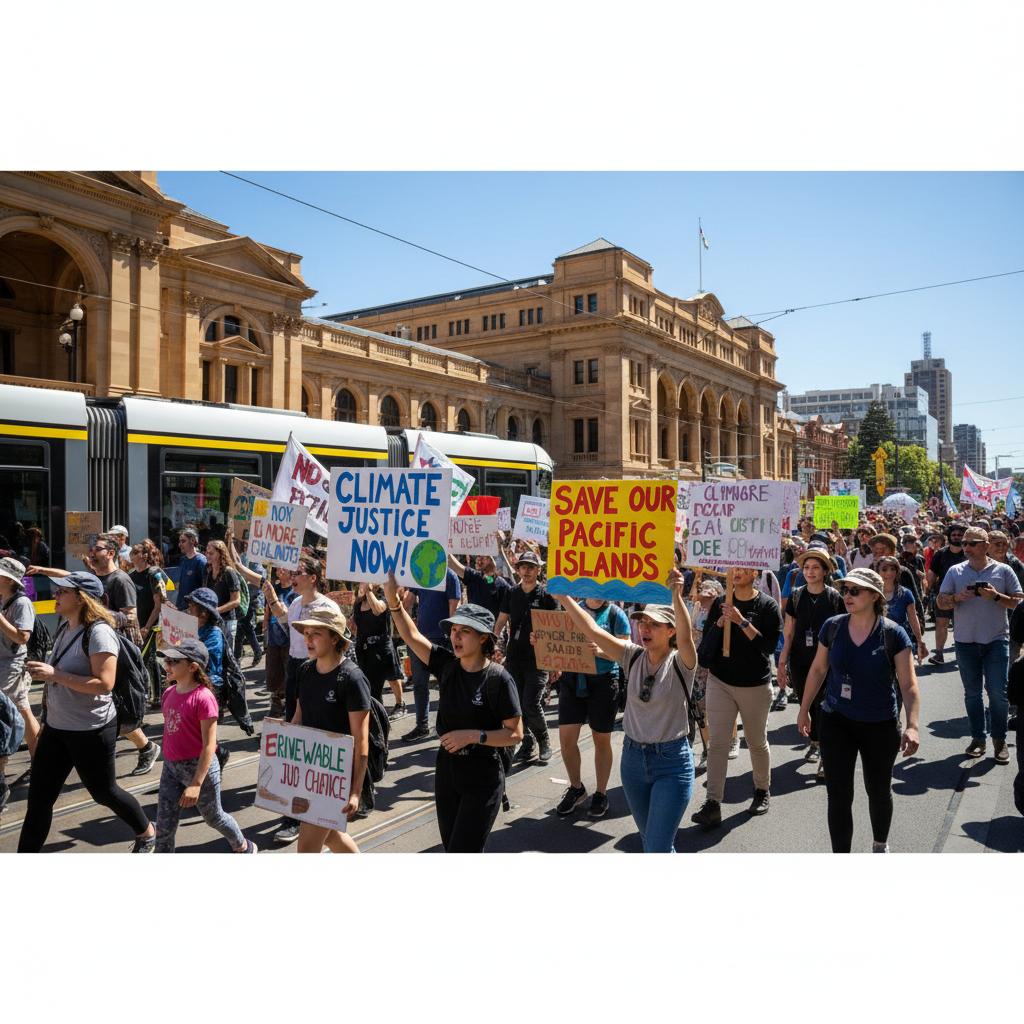
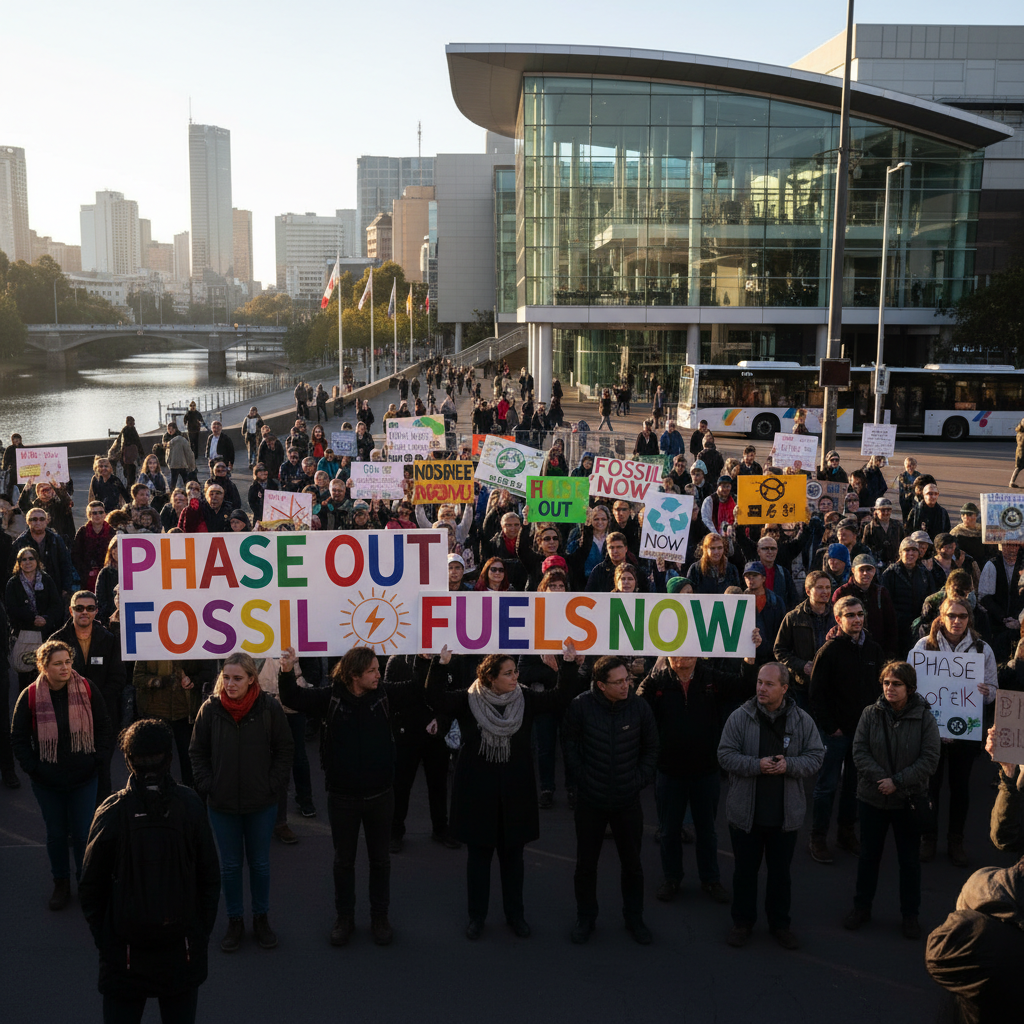
Behind the scenes, Australian officials are quietly urging western allies to show more flexibility on the funding language. Still, Canberra’s own domestic policies remain a target for activists. Outside the convention center, protestors gathered, pointing out the irony of Australia hosting a climate summit while continuing to approve new fossil fuel projects. The contrast is stark, and Pacific leaders are not ignoring it.

The Ghost of Copenhagen

For veteran climate observers, the atmosphere in Adelaide feels dangerously similar to the failed Copenhagen summit of 2009. That meeting collapsed when a small group of wealthy nations drafted a text behind closed doors, presenting it as a finished deal. It was rejected by developing countries, leading to years of diplomatic paralysis.

Nobody wants a repeat of that disaster. The stakes are much higher now. Global temperatures have already breached key thresholds for months at a time. The physical reality of climate change is outpacing the bureaucratic speed of UN negotiations.

If the Pacific nations hold their ground, the summit could end without a joint declaration. That outcome would be a severe blow to the international climate negotiation process. It would signal that the consensus-based UN model is simply unable to deliver urgent help to those who need it most.

No Sleep Until a Deal is Struck

Negotiators are now preparing for a series of grueling, all-night sessions. The draft text must be completely rewritten if there is to be any hope of a unified final agreement. The European Union has signaled it might be willing to compromise on some funding structures, but the US delegation remains firm against any language implying legal liability.

Time is running out. The summit is scheduled to close in forty-eight hours. The glossy brochures and diplomatic handshakes that opened the week have vanished. In their place is a raw, tense battle over survival, responsibility, and cash.

For the people of the Pacific, the math is simple. Without real, guaranteed money to relocate coastal villages and build sea walls, their nations will cease to exist. They are willing to break the summit to make the world understand that reality.

PayPal $500 Gift Card ULTIMATE

Taipei Metro Tests New AI Tech on Wanda Line

0
Taipei Metro Tests New AI Tech on Wanda Line

Taipei Metro Begins AI Testing on Wanda Line

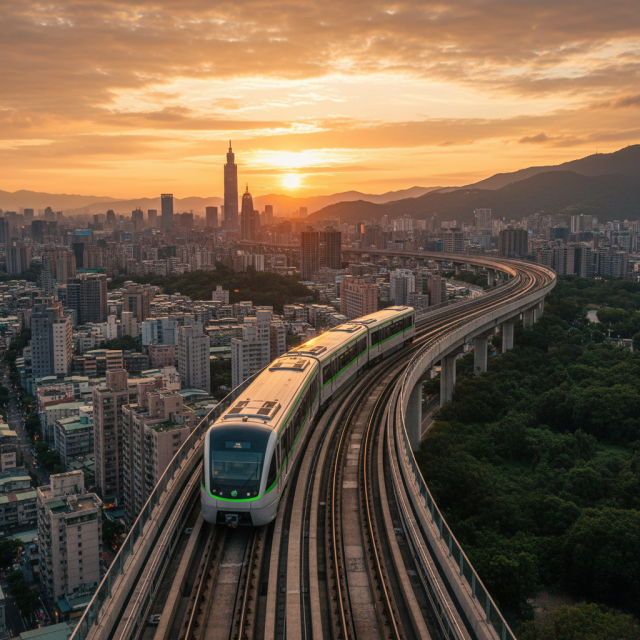
The trains are running. For now, they are empty. Taipei’s transit network is quietly preparing for one of its most significant expansions in years as the Wanda-Zhonghe-Shulin Line enters its final phase of integration testing. For commuters who spend their mornings stuck in bumper-to-bumper traffic between Taipei City and New Taipei City, this is the milestone they have been waiting for.

This initial phase, known simply as Phase 1, stretches across 9.5 kilometers of underground track. It connects the bustling heart of central Taipei to the densely packed residential neighborhoods of Zhonghe and Yonghe. When it opens, it will do more than just offer another transit route. It will introduce artificial intelligence to the daily commute in a way Taiwan has never seen before.

The Tech Behind the Commute

At the center of the new line is a highly sophisticated crowd control system driven by artificial intelligence. Taipei’s Department of Rapid Transit Systems (DORTS) designed this system to tackle the chaotic passenger surges that define the city’s rush hours. Instead of relying solely on station staff to manage overcrowding, the metro will use smart sensors and computer-vision cameras to monitor passenger density in real time.

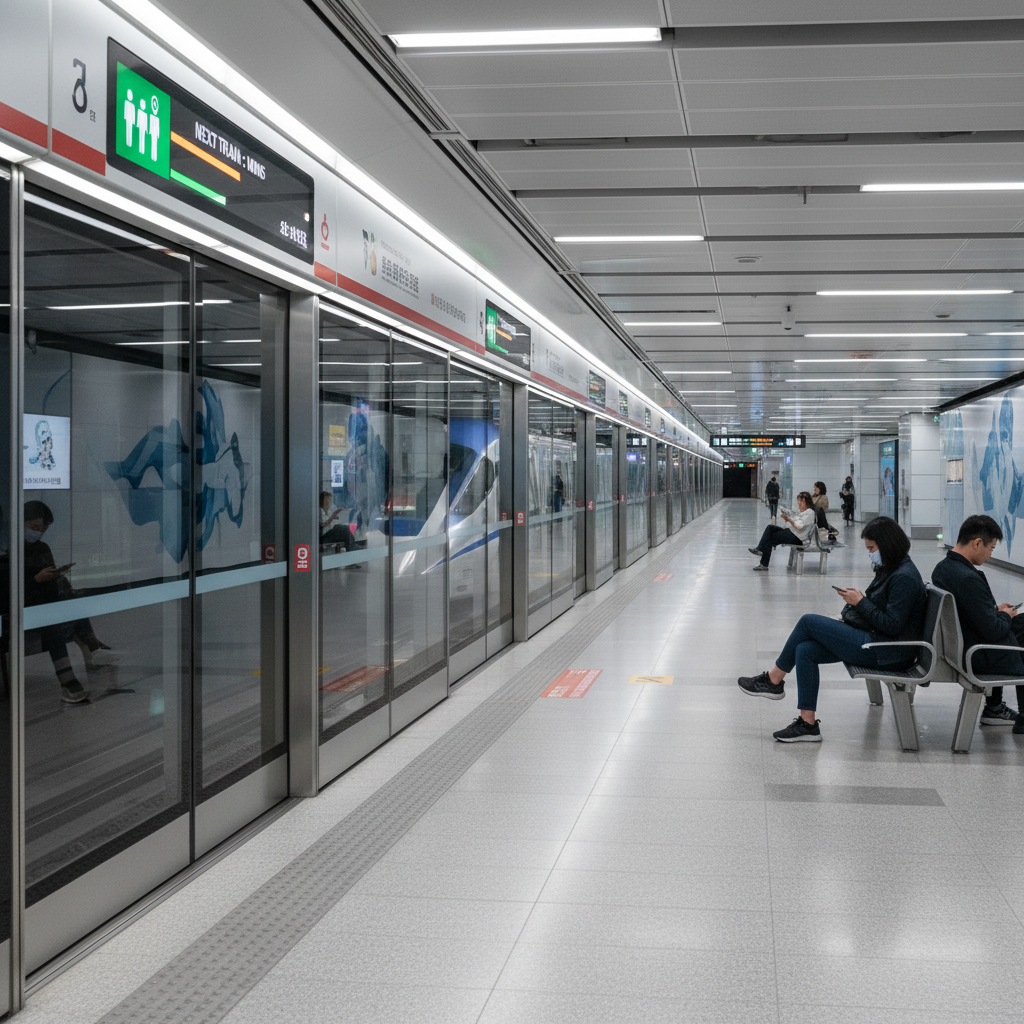
How does it work in practice? The AI monitors the platforms and ticketing gates, calculating the speed and density of incoming crowds. If a platform starts to fill up too fast, the system automatically alerts the central control room. From there, dispatchers can adjust train frequencies on the fly, sending empty trains to clear bottlenecked stations before the platforms become dangerously packed.

Taipei Metro Tests New AI Tech on Wanda Line — image 1

The AI does not stop at the station platform. Sensors installed on the trains themselves will track passenger weight, sending real-time occupancy data to waiting commuters. Digital screens at the station platforms will show passengers exactly which train cars are crowded and which ones have plenty of breathing room. It is a simple concept, but one that could drastically cut down the frantic scramble at the train doors during the morning rush.

Connecting the Dots: The Phase 1 Route

Phase 1 of the Wanda Line features nine underground stations and one maintenance depot. The line begins at Chiang Kai-shek Memorial Hall, a major transfer hub where passengers can easily switch to the Red (Tamsui-Xinyi) and Green (Songshan-Xindian) lines. From there, the tracks head west and south, cutting through Taipei’s Wanhua District before crossing under the Xindian River into New Taipei City.

Once across the river, the line winds through Yonghe and Zhonghe, terminating at Juguang Station. For residents of these suburbs, the new line is a massive deal. Yonghe is famously one of the most densely populated urban areas on earth. Its narrow streets are notorious for scooter traffic and slow-moving buses. The new underground route promises to bypass all of that noise, cutting travel times from Zhonghe to downtown Taipei to just a fraction of what they are today.

The integration testing currently underway is rigorous. Over the next few months, engineers will run trains through simulated emergencies, checking how the automated signaling, power grids, and communication systems talk to each other. They need to ensure that the train doors align perfectly with the platform screen doors every single time. It is tedious, necessary work.

Taipei Metro Tests New AI Tech on Wanda Line — image 2

A Response to Urban Density

Urban planning in Greater Taipei has always been a race against density. Over six million people live in the metropolitan area, and a significant portion of them cross the city borders every single day. The bridges connecting Taipei and New Taipei City are legendary for their morning “scooter waterfalls.”

Transit officials hope the Wanda Line will pull thousands of those riders off the roads. By integrating AI into the mix, they are also trying to avoid the pitfalls of older lines, where unexpected train delays can cause platforms to clog up within minutes. The smart systems are designed to keep people moving constantly, preventing the kind of gridlock that ruins mornings.

“We want to make sure the passenger experience is seamless from day one,” says an engineer working on the integration tests, who spoke on the condition of anonymity because they were not authorized to speak to the press. “The AI helps us anticipate problems rather than just reacting to them. If we can predict a crowd five minutes before it peaks, we can keep the entire line running smoothly.”

The Road to Opening Day

While the testing is a major step forward, commuters will still have to wait a bit longer to board the new trains. Once system integration testing wraps up, the line must undergo a series of strict safety inspections by both local authorities and the Ministry of Transportation and Communications.

Only after these inspections are cleared will the line receive its official operating permit. Currently, local transit officials are targeting a commercial launch in the near future, marking the beginning of a new, smarter era for Taipei’s transit network. Until then, the empty green-striped trains will continue their silent runs beneath the city streets, getting ready for the crowds to come.

PayPal $500 Gift Card ULTIMATE

Newsmax Overhauls Primetime Lineup to Ride Post-Midterm Viewer Wave

0
Newsmax Overhauls Primetime Lineup to Ride Post-Midterm Viewer Wave

The dust from the November 2026 midterm elections is still settling, but the battle for conservative eyeballs is already entering a new, fiercer phase. Newsmax is not waiting around. The Florida-based network has announced a sweeping overhaul of its primetime lineup. It is a direct bid to capture disgruntled viewers searching for a new home after a chaotic and polarizing election cycle.

Cable news has always thrived on political drama. But 2026 proved different. With razor-thin margins in key Senate races across Georgia and Arizona, viewers spent weeks glued to their screens. The prolonged uncertainty left many traditional conservative voters feeling alienated by mainstream coverage and seeking alternative voices. Newsmax CEO Chris Ruddy saw an opening. Instead of sticking with the status quo, the network is moving quickly to capitalize on shifting audience habits.

“We are seeing a fundamental shift in how people consume their news,” Ruddy said in a recent internal briefing. “They don’t want corporate spin. They want unfiltered analysis, and they want it from voices they actually trust. Our post-election growth shows we are delivering exactly that.”

The Primetime Shuffle

The most significant changes are happening right in the dinner-hour sweet spot. Rob Schmitt, a network staple, is moving up to anchor a revamped 8:00 PM Eastern slot. This move puts him in direct competition with the heavyweight champions of legacy cable talk. Schmitt’s show will feature faster pacing, more live viewer interaction, and a heavy focus on investigative reports rather than just standard panel debates. The goal is to keep viewers engaged with hard-hitting stories instead of predictable talking points.

Newsmax Overhauls Primetime Lineup to Ride Post-Midterm Viewer Wave — image 1

Meanwhile, Greg Kelly’s show is getting a production face-lift. It moves to 9:00 PM with an expanded format that incorporates more field reporting and exclusive interviews with newly elected congressional leaders. The network is also launching a new, fast-paced roundtable show at 10:00 PM called The Right Verdict. The show is designed to break down daily policy battles with a younger, sharper tone that appeals to working-class audiences.

These programming moves are not just random stabs in the dark. They are backed by hard data. During the peak of the 2026 midterm coverage, Newsmax saw its viewership spike by nearly 18% in the key 25-54 demographic. Audiences are migrating. Many are switching over from Fox News during key transition hours, seeking more aggressive commentary on the election’s fallout and the looming legislative battles in Washington.

The Streaming Gamble

But cable is only half the battle. The real frontier is streaming. As more Americans cut the cord, Newsmax is heavily promoting its subscription service, Newsmax+. For $4.99 a month, subscribers get access to live feeds, exclusive behind-the-scenes content, and ad-free viewing. This digital push is crucial for the network’s long-term survival in an era where traditional cable distribution is shrinking.

“The cord-cutting trend is a massive threat to traditional cable, but it is an enormous opportunity for us,” says media analyst Sarah Jenkins. “By locking in subscribers now through exclusive post-election content, Newsmax is building an ecosystem that does not depend on traditional cable bundles. It is a smart, defensive play that also allows them to go on the offensive.”

Newsmax Overhauls Primetime Lineup to Ride Post-Midterm Viewer Wave — image 2

To sweeten the deal, Newsmax is offering exclusive digital-only town halls with high-profile conservative figures directly on the app. It is a strategy designed to turn casual television viewers into dedicated, paying subscribers. It also helps insulate the network from future carriage disputes with satellite and cable providers, a challenge that has plagued independent networks in the past.

Expanding Daytime Reach

The post-election strategy isn’t limited to the evening hours. Newsmax is also bolstering its daytime roster to build a stronger lead-in for its primetime stars. Wake Up America, hosted by Rob Finnerty, is expanding its morning broadcast with additional live segments from regional bureaus. The network wants to capture the early-morning crowd before they head to work, establishing a loyal audience that stays tuned throughout the day.

This holistic approach seems to be paying off. Internal ratings reports suggest that daytime engagement has risen steadily over the last quarter, giving the network a more stable foundation. By creating a seamless transition from morning news to aggressive primetime commentary, Newsmax hopes to build a habit-forming viewing experience.

The Road to 2028

Why the sudden rush to reinvent the lineup? The answer is simple: 2028 is already on the horizon. The midterm elections were merely a dress rehearsal for the next presidential cycle. Political campaigns are already drafting their strategies, and conservative media outlets must do the same. By cementing its lineup now, Newsmax hopes to establish itself as the premier destination for conservative political discourse long before the primary season begins.

The competition will be fierce. Rivals are not sitting idly by, and larger networks still possess massive resource advantages. But with its new primetime schedule, a growing digital footprint, and a highly motivated viewer base, Newsmax is signaling that it is ready to fight for every single viewer. The media wars are heating up, and the 2026 post-election landscape is just the starting line.

PayPal $500 Gift Card ULTIMATE

Pacific Nations Demand Cash Timelines at Adelaide COP31

0
Pacific Nations Demand Cash Timelines at Adelaide COP31

ADELAIDE — The air inside the Adelaide Convention Centre grew thick on Thursday as negotiators from across the globe hit a wall over money. Outside, the dry South Australian heat hovered near 38 degrees Celsius. Inside, the temperature was just as high, metaphorically speaking. The dispute centers on the newly minted Pacific Resilience Fund (PRF), a financial lifeline designed to help low-lying island nations survive the realities of a warming planet.

But there is a catch. The fund has no guaranteed cash flow. It has no firm dates for when wealthy nations must deposit their promised millions. For the leaders of small island states, this omission is not just a bureaucratic oversight. It is a betrayal.

An ‘Empty Bucket’ in Adelaide

The PRF was hailed as a major breakthrough during the opening days of the COP31 summit, which Australia is co-hosting alongside its Pacific neighbors. The fund aims to raise $500 million initially, eventually scaling up to $1.5 billion. It is designed to bypass the red tape of larger global institutions like the Green Climate Fund, putting cash directly into local hands for seawalls, early warning systems, and water security.

However, the enthusiasm has quickly evaporated. Developing nations, spearheaded by the Alliance of Small Island States (AOSIS), are now demanding legally binding timelines for these donations. They want a clear schedule of payments written into the final Adelaide text.

“We cannot build seawalls with promises,” said Ralph Regenvanu, Vanuatu’s climate envoy, during a tense press briefing on the sidelines of the negotiations. “An empty bucket does not catch water. Right now, the Pacific Resilience Fund is just that—an empty bucket. We need dates. We need numbers. We need commitments that cannot be walked back when governments change in Washington, Berlin, or Canberra.”

The demand has met quiet but firm resistance from traditional donor countries. The United States, Japan, and several European Union members are pushing back against rigid, mandatory timelines. They argue that their domestic budget processes make such binding commitments legally and politically impossible.

Pacific Nations Demand Cash Timelines at Adelaide COP31 — image 1

Australia’s Delicate Tightrope Walk

For Australia, the host country, the dispute is deeply uncomfortable. Prime Minister Anthony Albanese’s government pitched this joint COP bid as a demonstration of Australia’s return to the Pacific family. It was meant to show a unified front against climate change. Now, Canberra finds itself caught between its closest strategic allies and its immediate neighbors.

Australian Climate Change Minister Chris Bowen has spent the last 48 hours in backroom meetings, trying to broker a compromise. Australian officials have reportedly floated a middle-ground proposal: a registry of voluntary pledges with regular review periods, rather than hard, legally binding schedules.

That has not gone down well with the Pacific delegates.

“Voluntary pledges have a long history of failing us,” said a senior Fijian negotiator who spoke on the condition of anonymity. “Look at the $100 billion goal from Copenhagen. It took years to reach, and even then, the accounting was creative. We do not have the luxury of waiting another decade for voluntary goodwill to materialize.”

Why the Timelines Matter

To understand the urgency, you have to look at the ground level. For countries like Tuvalu, Kiribati, and the Marshall Islands, climate adaptation is not a future problem. High tides regularly flood coastal roads. Drinking water wells are turning salty. Without immediate funding to build up land or reinforce coastlines, entire communities face relocation within the generation.

The PRF was meant to be different from previous global funds. It was designed to support small, community-led projects that often slip through the cracks of the World Bank or the Asian Development Bank. But without capital, the fund is useless.

Pacific Nations Demand Cash Timelines at Adelaide COP31 — image 2

Donor nations argue they are not trying to dodge their responsibilities. A European negotiator pointed out that EU states remain the largest contributors to global climate finance. “We want the fund to succeed,” the diplomat said. “But we cannot sign a treaty that commits our future parliaments to specific spending targets. That is a constitutional red line for many of us.”

The Ghost of Broken Promises

The current gridlock is haunted by past climate summits. At COP15 in Copenhagen, wealthy nations promised to mobilize $100 billion annually by 2020 to help developing countries. That target was not met until 2022, and much of the funding arrived in the form of loans rather than grants, adding to the debt burden of vulnerable states. This history makes Pacific negotiators highly skeptical of any text that relies on “flexibility.”

The PRF’s design was supposed to avoid these historical traps. It is structured as an endowment fund, meaning donor contributions are invested, and the returns are used to fund local projects. This model requires a massive upfront investment to become self-sustaining. Without a rapid influx of cash, the fund cannot generate the returns needed to make a difference.

“We are asking for a seed investment in our survival,” says Seve Paeniu, former finance minister of Tuvalu. “If the wealthy nations cannot commit to a timeline for this seed money, then the fund is dead on arrival. We might as well pack our bags and go home.”

A Looming Standoff

As the summit enters its final, frantic days, the risk of a stalemate is rising. Some Pacific leaders have hinted they might refuse to sign the final declaration if their demands for financial certainty are ignored. A walkout or a fractured final text would be a major diplomatic embarrassment for Australia, which has used the summit to burnish its green credentials and counter Chinese influence in the region.

Protesters have also taken to Adelaide’s North Terrace, chanting slogans and carrying banners that read “Fund the Pacific” and “No More Empty Words.” The pressure on negotiators is immense.

Whether a compromise can be reached remains to be seen. Some observers suggest a “high-level political declaration” might be attached to the text, promising rapid capitalization without legally binding mandates. But for the small states watching the tide creep higher, words on paper are losing their value.

PayPal $500 Gift Card ULTIMATE

Publishers and AI Firms Head for 2026 Licensing Clash

0
Publishers and AI Firms Head for 2026 Licensing Clash

The Quiet Clock Ticking in Digital Media

The honeymoon is over. In newsrooms and tech campuses across the globe, executive teams are quietly bracing for a major reckoning. The target date is late 2026. That is when the first wave of multi-year artificial intelligence licensing agreements, signed in a rush of anxiety and optimism, will officially run out.

A few years ago, the math seemed simple. OpenAI, Google, and other developers of large language models needed high-quality data to train their systems and power real-time search tools. Publishers, reeling from years of declining ad revenues, wanted easy cash. Deals were struck. The Associated Press signed on the dotted line in July 2023. German publishing giant Axel Springer followed that December. Soon, a parade of names like News Corp, Le Monde, and Dotdash Meredith joined the fold.

These initial deals were mostly flat-fee arrangements. Tech companies paid estimated sums ranging from 5 million dollars to upwards of 250 million dollars over several years. It felt like a win-win. But as the expiration dates loom, publishers are realizing they might have undervalued their most precious asset: fresh, human-written daily news.

The Problem with Flat Fees

Why are publishers so unhappy now? The answer lies in how the technology evolved. When these contracts were first signed, publishers assumed their archives were being used primarily for static training. Once a model is trained, it is done. But the industry shifted rapidly toward retrieval-augmented generation, or RAG. This is the technology that allows AI bots to search the live web for breaking news and summarize it instantly for users.

Publishers and AI Firms Head for 2026 Licensing Clash — image 1

Instead of sending readers to a news website, AI search engines now answer queries directly on their own platforms. A user asks about an election result or a corporate merger, and the bot reads the morning papers, synthesizes the facts, and presents a neat paragraph. The user never clicks through. Traffic dies. Ad revenue plummets. In essence, publishers are realizing they funded the tools currently cannibalizing their business.

A flat annual fee no longer makes sense to media executives. If a tech platform uses a specific newspaper article ten million times a day to answer user queries, that publisher wants a cut of the action. They want variable pricing, micro-payments, or revenue-sharing models. They want to be paid based on actual utility, not a arbitrary lump sum. Tech companies, however, are pushing back hard.

The Tech Giants Hold Their Ground

AI developers have their own financial pressures. Running these models is extraordinarily expensive. Compute costs, specialized chips, and energy bills are astronomical. Investors are demanding profitability, and tech firms cannot afford to see their data acquisition costs spiral out of control.

Furthermore, tech companies hold a powerful card: the threat of walking away. AI developers have already built massive foundational models. Some engineers argue they no longer need vast troves of new journalistic data to keep their systems smart. They can rely on synthetic data, public domain archives, or simply train their systems on non-news web content. If a publisher demands too much money, the tech firm can simply block that publisher from its index. For a media brand already struggling for visibility, being completely erased from AI search tools could be a corporate death sentence.

Publishers and AI Firms Head for 2026 Licensing Clash — image 2

What the Renegotiations Will Look Like

When formal talks begin, the atmosphere will be vastly different from the polite discussions of 2023. This time, both sides have data, metrics, and a clearer understanding of the stakes. We can expect several key battlegrounds during these high-stakes negotiations:

  • Usage Tracking: Publishers will demand transparent audit tools to see exactly how often their articles are accessed by AI agents.
  • The Attribution Fight: Media companies will insist on prominent, highly visible links back to their original reporting, hoping to salvage some referral traffic.
  • Exclusivity Demands: Richer tech companies might offer premium payments to publishers in exchange for locking out rival AI models.
  • Liability Clauses: As copyright lawsuits wind through the courts, publishers will want stronger legal protections against defamation and hallucination claims caused by AI summaries of their work.

A Divided Media Front

Do not expect publishers to act as a unified bloc. The media industry is deeply fractured. Giant conglomerates with massive portfolios, like News Corp, have the leverage to demand premium, custom terms. They can afford to walk away from negotiations and launch massive copyright lawsuits if they do not get what they want.

Smaller, independent outlets and local newspapers are in a much weaker position. They lack the legal budgets to fight multi-billion-dollar tech firms in court. For these smaller players, even a tiny flat-fee offer might be impossible to refuse, even if it hurts their long-term traffic. This disparity could widen the gap between elite national publications and struggling local newsrooms.

The Legal Shadow

The entire negotiation process will play out under the shadow of ongoing legal battles. The New York Times is still locked in a high-profile copyright lawsuit against OpenAI and Microsoft. The outcome of that case, along with pending regulatory decisions in Europe and Canada, will set the ground rules for the 2026 renegotiations.

If courts rule that training AI on copyrighted news without a license is fair use, publishers will lose almost all their leverage overnight. If the courts side with the publishers, the cost of data will skyrocket, and tech companies will have no choice but to pay whatever the publishers demand.

Either way, the status quo is unsustainable. The comfortable, experimental era of AI licensing is coming to a close. What follows in late 2026 will shape the financial realities of journalism for the next generation.

PayPal $500 Gift Card ULTIMATE

COP31 Opens in Australia: Pacific Nations Push for Fossil Fuel Ban

0
COP31 Opens in Australia: Pacific Nations Push for Fossil Fuel Ban

A Historic Double-Act Meets Immediate Friction

Delegates from nearly 200 countries have gathered in Adelaide for the opening of the COP31 climate summit. It’s a historic moment. For the first time, Australia is co-hosting the United Nations climate talks alongside its Pacific Island neighbors. The partnership was designed to showcase regional unity. Instead, the first day of negotiations exposed a deep, familiar rift over the future of coal and gas.

Outside the convention center, the morning air was crisp. Protesters gathered early, holding banners demanding an end to new fossil fuel approvals. Inside, the atmosphere warmed up quickly. Pacific leaders made their position clear before the opening plenary even finished. They aren’t here for diplomatic pleasantries. They want a binding commitment to completely phase out fossil fuels. And they want it written into the final text of the summit.

“For us, this is not an academic debate,” said Ralph Regenvanu, Vanuatu’s Special Envoy for Climate Change, during a press conference on the sidelines. “It’s a matter of survival. We cannot co-host a summit that ends in half-measures. Australia must choose between its fossil fuel exports and its Pacific family.”

The Elephant in the Room

The joint bid was supposed to heal years of diplomatic neglect. Under previous governments, Canberra often shrugged off Pacific warnings about rising sea levels. The current administration promised a new era. They pledged to stand shoulder-to-shoulder with the islands. Yet, Australia remains one of the world’s largest exporters of liquefied natural gas (LNG) and metallurgical coal. The government recently approved several new gas projects, arguing they are needed to secure domestic supply and help Asian trading partners transition away from dirtier coal.

COP31 Opens in Australia: Pacific Nations Push for Fossil Fuel Ban — image 1

That policy doesn’t sit well with regional partners like Tuvalu and Kiribati. Tuvalu’s Prime Minister, Feleti Teo, raised the stakes during his opening address. He pointed out that local communities are already losing freshwater lenses to saltwater intrusion. “You cannot pour water into a leaking bucket and call it progress,” Teo told the plenary. “We need a hard deadline for the end of coal, oil, and gas. No loopholes. No unproven carbon capture technologies to hide behind.”

Australia’s Climate Change and Energy Minister, Chris Bowen, found himself playing defense early on. Bowen acknowledged the severity of the crisis but urged delegates to focus on practical steps. He pointed to Australia’s massive domestic investment in renewable energy. The country wants to reach 82 percent green power by 2030. “We hear our Pacific brothers and sisters loud and clear,” Bowen said in an interview. “But a global transition takes time. It must be managed in a way that keeps energy grids stable and economies functioning. If we push too fast without alternatives, we risk a backlash that derails the entire movement.”

The Battle Over the Text

The main fight over the next two weeks will center on the draft negotiation text. At COP28 in Dubai, nations agreed to “transition away” from fossil fuels. It was hailed as a breakthrough at the time. Now, Pacific negotiators say that language is too weak. They are pushing for a revised treaty that explicitly mandates a phased reduction of fossil fuel production, backed by penalties for non-compliance. The Alliance of Small Island States (AOSIS) is leading this charge, arguing that the voluntary pledges of the past decade have failed to stop global temperatures from climbing toward dangerous thresholds.

This proposal faces fierce opposition. It’s not just Australia that is hesitant. Traditional fossil fuel giants from the Gulf and North America are already lobbying against any binding language. They prefer terms like “unabated” fossil fuels, which allows continued production if emissions are captured. Pacific nations argue that carbon capture is an expensive distraction designed to prolong the life of oil and gas fields.

COP31 Opens in Australia: Pacific Nations Push for Fossil Fuel Ban — image 2

The financial math is staggering. Australia’s resources sector generated over $400 billion in export revenue last year. Tens of thousands of jobs rely on the industry. Trade unions have warned that an abrupt shutdown would devastate regional communities in Queensland and Western Australia. “We support the transition,” said Greg Busson, a regional mining union representative. “But our members need to know how they will feed their families. You can’t just switch off the economy overnight.”

A Test of Regional Diplomacy

The stakes extend beyond climate policy. Geopolitics hangs heavy over Adelaide. In recent years, Beijing has steadily increased its influence in the Pacific, offering infrastructure loans and security pacts. Canberra is desperate to keep its neighbors within its traditional sphere of influence. If Australia fails to deliver a strong climate outcome at COP31, it could damage its regional standing for a generation. Pacific leaders have made it clear that climate security is national security. If Western allies won’t help them survive, they may look elsewhere.

That reality isn’t lost on Australian diplomats. Behind closed doors, officials are working on a compromise. One potential deal involves Australia committing to a significant increase in climate finance for the region in exchange for more flexible language on fossil fuel exports. Australia recently announced a $100 million contribution to the international loss and damage fund, but Pacific nations say that is a drop in the ocean compared to what is needed to rebuild infrastructure damaged by worsening cyclones.

The Clock is Ticking

As night fell on the summit’s first day, negotiators broke into smaller working groups. The disagreements are deep. The rhetoric is sharp. But there is also a sense of shared destiny. No one wants this summit to fail.

For Australia, the challenge is clear. It must prove it can be both a global energy superpower and a responsible neighbor. For the Pacific Islands, the mission is even simpler. They are fighting for their homes. The next fortnight will decide who wins.

PayPal $500 Gift Card ULTIMATE

Taipei Speeds Up Seismic Retrofits With Urban Renewal 5.0

1
Taipei Speeds Up Seismic Retrofits With Urban Renewal 5.0

A Race Against the Clock in Taipei’s Oldest Neighborhoods

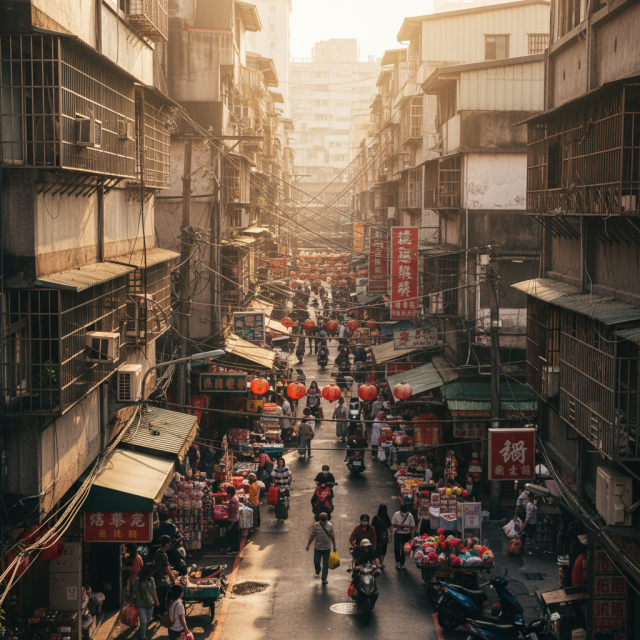
Taipei is running out of time. The city sits right on the edge of major tectonic fault lines, experiencing frequent tremors that serve as constant, gentle warnings. Yet, walking through its historic core feels like stepping back in time. In districts like Wanhua and Datong, narrow alleys are crowded with low-rise concrete apartments built half a century ago. Many of these structures lack modern steel reinforcements. If a major earthquake strikes, the damage could be catastrophic. Local officials know it, and residents know it too.

To prevent a worst-case scenario, the Taipei City Government has launched a sweeping new initiative called “Urban Renewal 5.0.” The policy targets more than 1,000 high-risk, aging residential buildings specifically in Wanhua and Datong. By cutting through decades of bureaucratic red tape, the city aims to fast-track crucial seismic safety retrofitting and complete reconstructions before the ground shakes again.

The Vulnerability of Wanhua and Datong

Wanhua and Datong are the cultural heart of Taipei. They are home to historic temples, bustling night markets, and traditional storefronts. But behind the charm lies a sobering architectural reality. More than 70 percent of the residential buildings in these two districts are over 30 years old. Many were constructed during the post-war boom of the 1960s and 1970s, long before Taiwan updated its building codes to withstand major earthquakes.

Structural engineers have raised alarms about these buildings for years. Many suffer from deteriorating concrete, exposed rebar, and weak ground floors often modified to accommodate shops. In a severe quake, these “soft stories” are highly susceptible to collapse. Compounding the risk is the layout of the neighborhoods themselves. The streets are often too narrow for modern fire engines and rescue vehicles to navigate easily. A single collapsed building could block an entire alleyway, trapping residents and preventing emergency crews from reaching those in need.

Breaking the Bureaucratic Gridlock

In the past, urban renewal in Taipei was notoriously slow. Getting a single project off the ground could take a decade or more. Under previous regulations, initiating a public-led renewal project required the consent of at least 80 percent of a building’s residents. In multi-family complexes with dozens of owners, achieving that consensus was an administrative nightmare. Disputes over property valuation, floor-area ratios, and temporary relocation frequently derailed projects before they even started.

Taipei Speeds Up Seismic Retrofits With Urban Renewal 5.0 — image 1

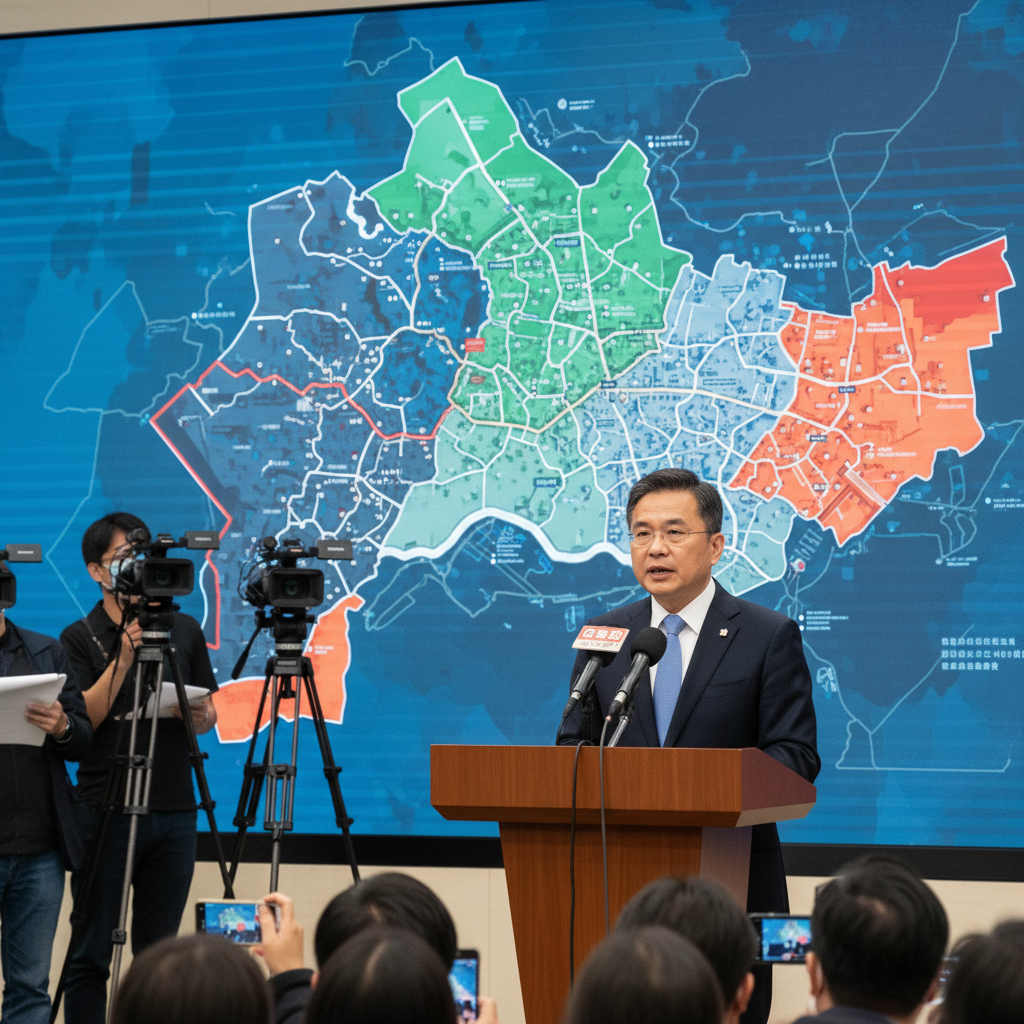
Urban Renewal 5.0 changes the rules of the game. Announced by Taipei Mayor Chiang Wan-an, the new framework drops the mandatory consent threshold from 80 percent to 75 percent for buildings identified as structurally unsafe or high-risk. While a five percent reduction might sound small on paper, city planners say it will unblock hundreds of stalled projects where a handful of absent or uncooperative owners had held up progress for years.

The city is also introducing a expedited review process. Under the new policy, qualified projects can bypass several layers of standard administrative review, cutting approval times from years down to just a few months. The government will also offer a floor-area ratio bonus of up to 100 percent, giving developers and residents a powerful financial incentive to rebuild quickly and safely.

Putting Safety Over Red Tape

“We cannot afford to wait for a disaster to force our hand,” Mayor Chiang stated during a press conference announcing the launch of the policy. “Safety is not a luxury or a secondary concern. It is a fundamental right. Our goal is to make these homes safe enough that residents can sleep soundly at night, knowing their walls will hold.”

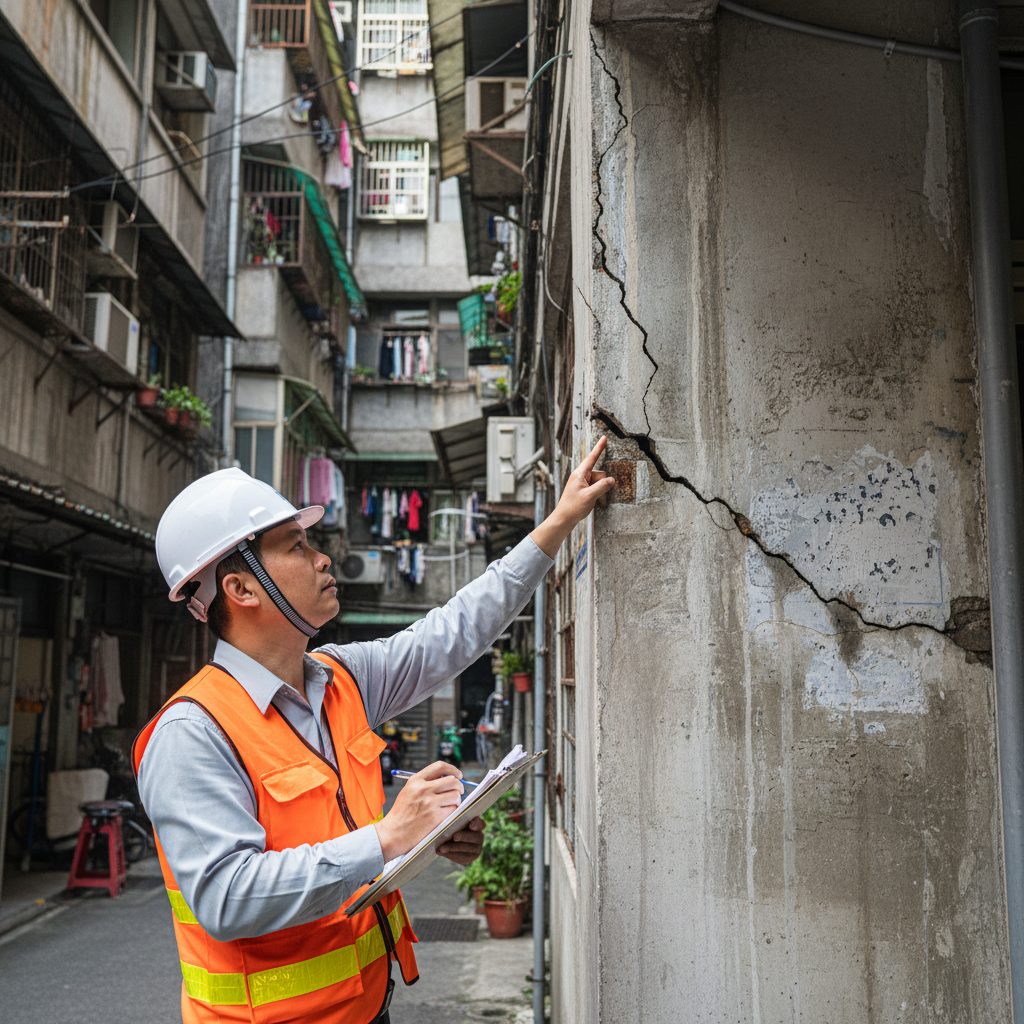
To ensure the policy translates into real-world action, the city is deploying teams of structural engineers and urban planners directly into Wanhua and Datong. These teams will conduct free, comprehensive safety assessments for older buildings. If a structure is found to be structurally compromised, the city will help the residents organize and apply for the fast-track renewal program immediately.

The government is also setting up dedicated community counseling centers. These local hubs will serve as neutral ground where residents can ask questions, resolve disputes with neighbors, and get free legal advice about the renewal process. By bringing the resources directly to the people, officials hope to build trust and overcome the skepticism that often plagues public development projects.

Taipei Speeds Up Seismic Retrofits With Urban Renewal 5.0 — image 2

The Human Cost of Waiting

For residents like 68-year-old Chen Min-hsiung, who has lived in a four-story walk-up in Wanhua since 1974, the policy update comes none too soon. Chen’s apartment building has visible cracks running along its exterior walls, a legacy of the 1999 Chi-Chi earthquake and countless smaller tremors since.

“Every time the chandelier starts swinging, my heart stops,” Chen said. “We tried to talk about rebuilding ten years ago, but three families on the second floor refused to sign. They were worried about where they would live during construction. So we gave up. Now, with the city offering support and lower consent requirements, we are finally talking to each other again. This might be our last chance to fix this place before it’s too late.”

The challenges ahead are still significant. Rebuilding over a thousand structures in densely populated urban areas will cause major disruption. Traffic will be snarled, noise levels will rise, and hundreds of families will need temporary housing. But city officials argue that these temporary inconveniences are a small price to pay for long-term safety.

A Blueprint for a Resilient Capital

The lessons learned in Wanhua and Datong could soon shape the future of the entire city. Taipei is one of the most densely populated metropolitan areas in Asia, and the aging of its building stock is a widespread challenge. If Urban Renewal 5.0 proves successful in these historic districts, the government plans to expand the streamlined regulations to other parts of the city, including Xinyi and Songshan.

Ultimately, Urban Renewal 5.0 is about more than just concrete and steel. It is about preserving the social fabric of Taipei’s oldest communities by making them resilient enough to survive the unpredictable forces of nature. As construction crews prepare to move into Wanhua and Datong, the city is taking a critical step toward ensuring that its rich history is matched by a safe and secure future.

PayPal $500 Gift Card ULTIMATE

MOST COMMENTED

- Advertisement -
Skip to toolbar